
Last updated November 14, 2026
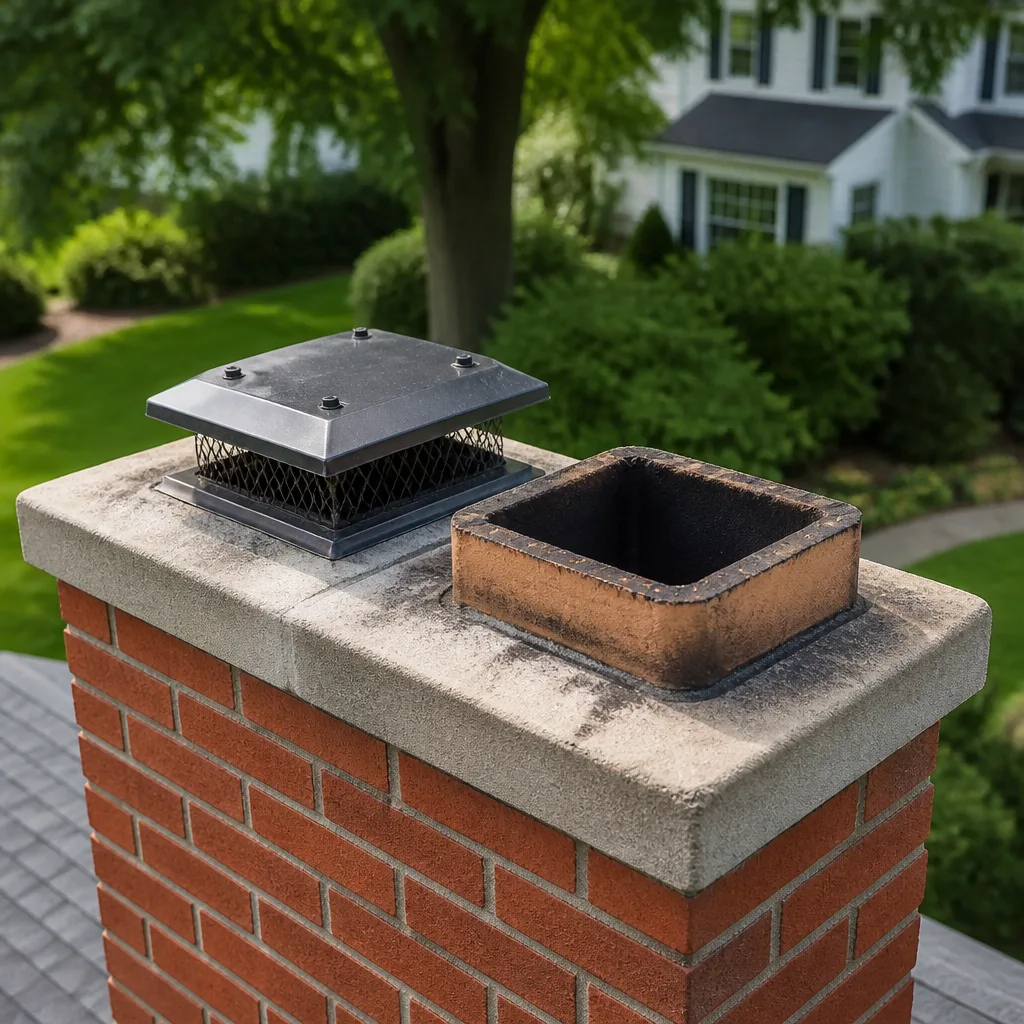 Sweep & inspection
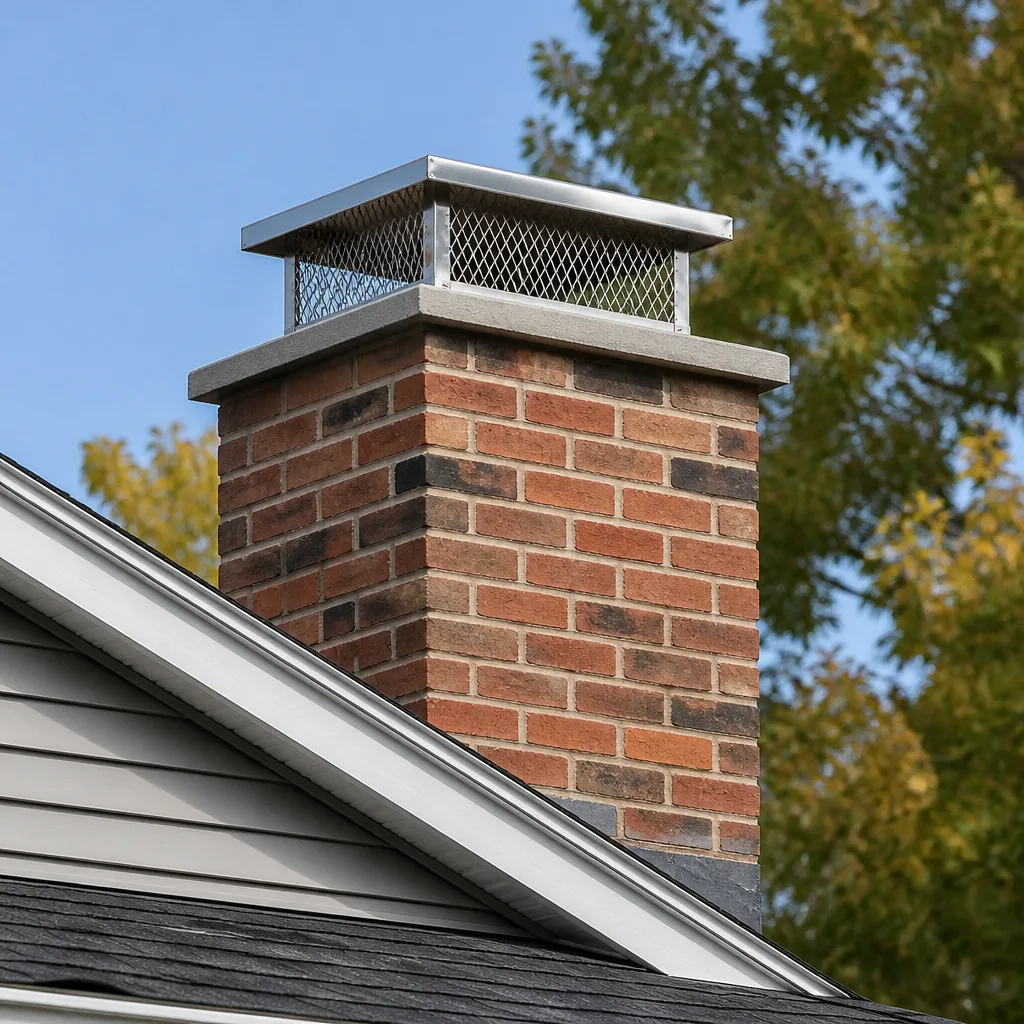 Caps & crowns
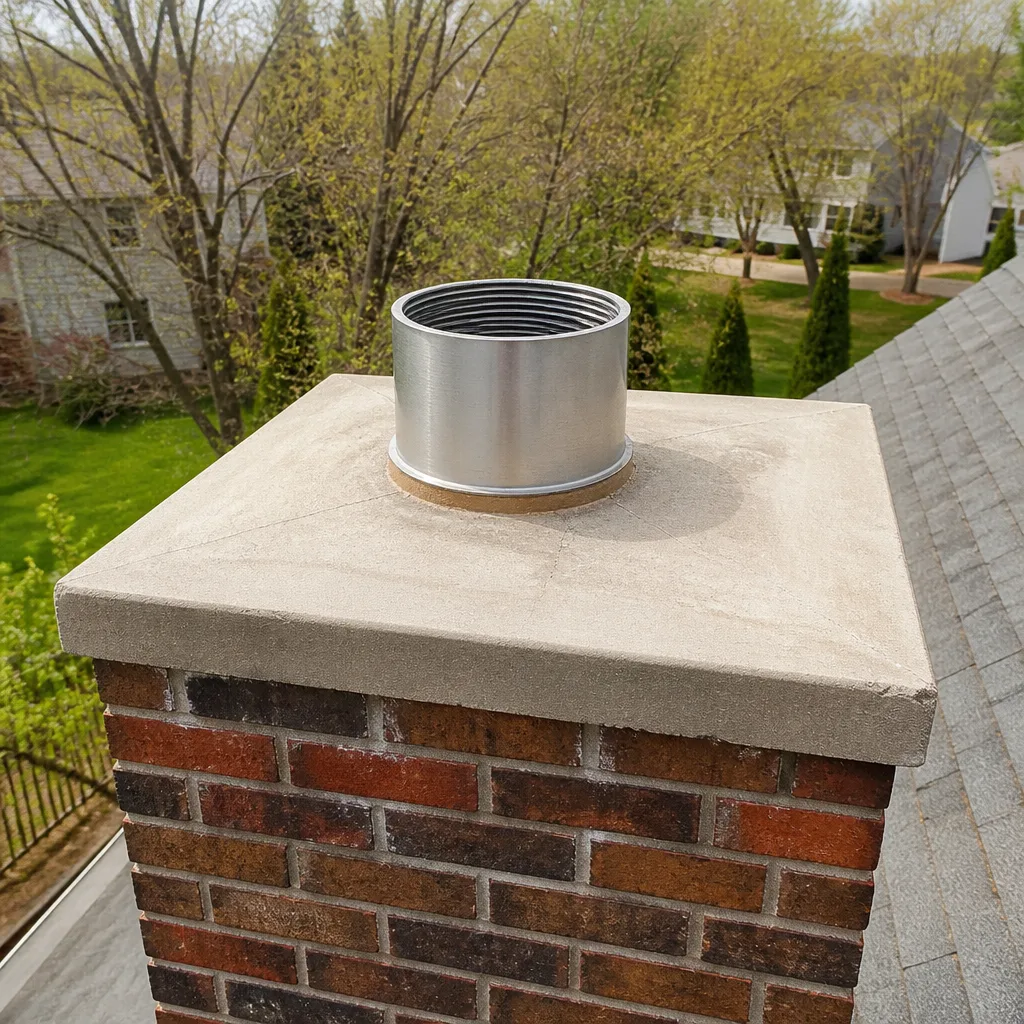 Flue relining
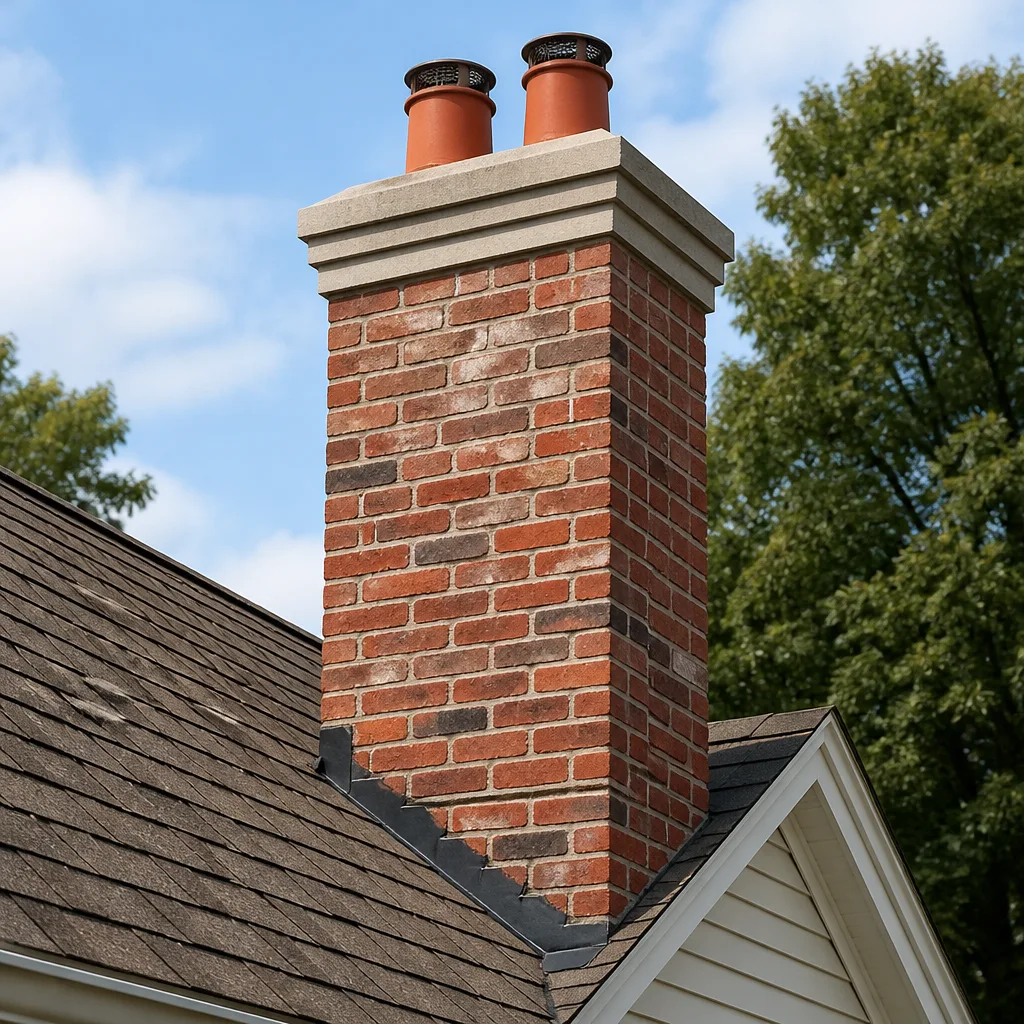 Masonry repair
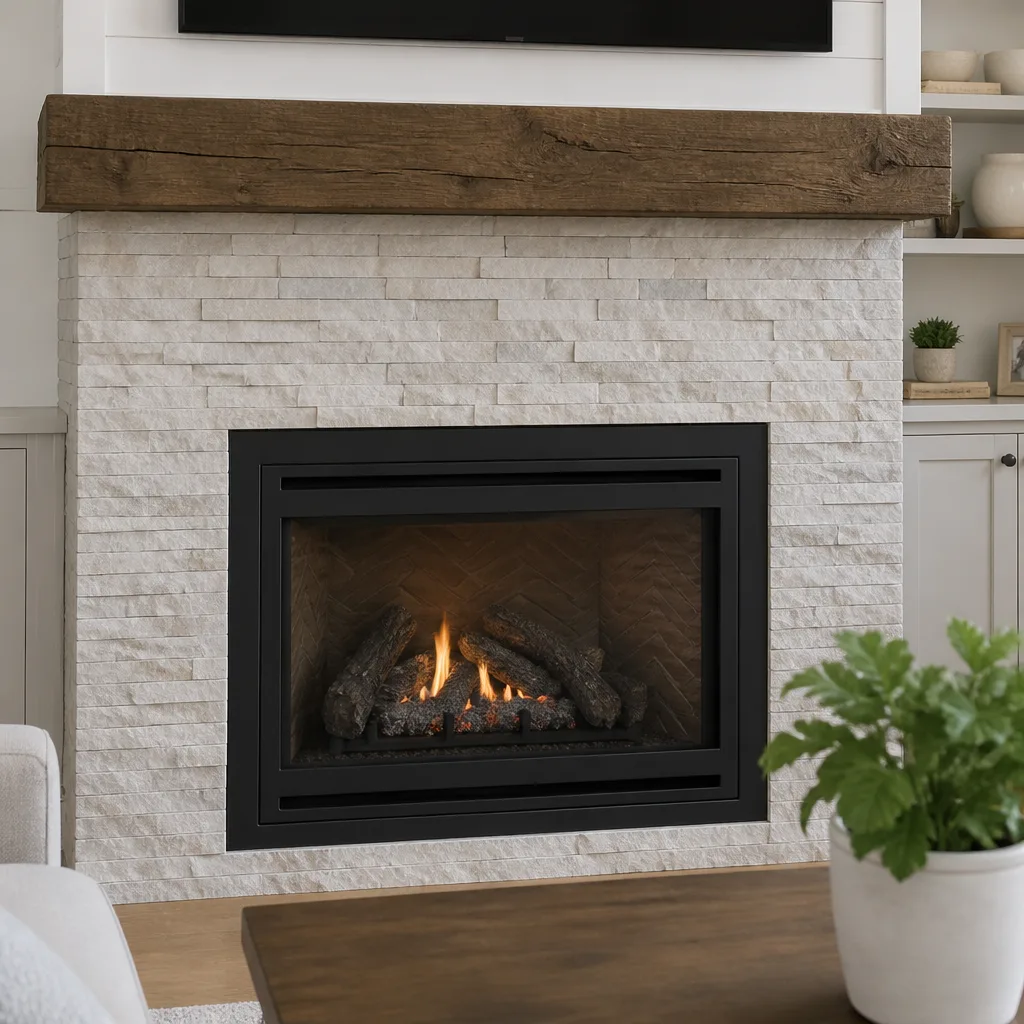 Gas fireplace service
Level 1 sweep and inspection to the NFPA 211 annual standard - flue, crown, cap, and flashing checked and photographed
Chimney sweep logs do not sweep chimneys. They loosen some creosote - which then falls where a brush and vacuum still have to collect it.
Chimney Cleaning Warning Signs: An El Paso Homeowner’s Reference Guide
Most chimney warning sign guides describe end-stage problems. Cracks wide enough to see daylight through. Smoke rolling into the living room. A fire department visit. By the time those appear, you’re looking at repairs, not maintenance. The signs that actually matter for prevention show up months earlier, and they’re almost always small: a draft that feels a little off, a faint smell that only shows up in spring, a white chalky stain you walk past every day and never register. This guide trains you to read those early signals the way a technician does. You’ll learn what to check from the ground, what to check inside, how gas venting behaves differently from wood flues, and how to document what you find so a professional can give you a real assessment. El Paso’s mild winters and dry air change the timeline on some of these, and we’ll say where.
Quick Answer
The warning signs that matter most are early ones: white staining or crumbling mortar on the exterior, a cracked or missing crown, a cap damaged after a wind event, a draft that changed, summer odor from the fireplace, and smoke spilling on startup. Any of these means your chimney needs a sweep and inspection before the next burn season. Catching them early is what separates a cleaning from a repair.
Styles & brands we work with
- Sweep & inspection
- Caps & crowns
- Flue relining
- Masonry repair
- Gas fireplace service
Table of Contents
- Why early warning signs matter more than obvious ones
- Exterior warning signs you can check from the ground
- Interior warning signs homeowners misread
- Warning signs specific to gas fireplace venting
- What a smoke smell in spring tells you about summer moisture
- How to photograph and document what you find
- A related system worth checking while you’re at it
- Common mistakes to avoid
- When to call a professional
- Frequently asked questions
Why early warning signs matter more than obvious ones
A chimney rarely fails all at once. It fails in sequence, and the early steps are quiet. Water gets into masonry. Mortar softens. The flue liner develops a small crack you can’t see from below. Creosote builds up in a layer that looks fine until it doesn’t. By the time any of this shows up as a visible emergency, you’ve skipped the cheap fix and arrived at the expensive one.
In El Paso, the sequence is shaped by two things: very dry air for most of the year, and occasional wet weather that gets inside masonry and then has to leave somehow. When water soaks into brick and mortar, it doesn’t just sit there. It migrates. It pushes dissolved salts to the surface, which is where efflorescence comes from. It works into small gaps and pries at them. And when temperatures drop below freezing on a winter night, which does happen in El Paso, the water in those pores expands and cracks the masonry from the inside outward. That’s spalling, and once it starts, the surface of the brick begins to flake and fall away.
None of that shows up as smoke in your living room. It shows up as a stain you ignore, a flake of brick on the roof, a little crumbling near the crown. The whole point of walking the exterior and reading the interior is to catch the sequence at step one, when it’s a cleaning, a cap, or a bit of crown repair, rather than step five, when it’s a liner and masonry rebuild.
We repair what we find, so a warning sign spotted early stays a small job. A warning sign spotted late becomes a project.
Exterior warning signs you can check from the ground
You don’t need a ladder to read most of what a chimney is telling you. A pair of binoculars and a slow walk around the house at ground level will surface most of the early exterior signals. Here’s what to look for and what each one means.
Efflorescence
A white, chalky or powdery stain on the brick or mortar is efflorescence, and it’s a water signal. The salts are dissolved in water that moved through the masonry and then evaporated at the surface, leaving the salts behind. It’s not cosmetic. It says water is finding a path into your chimney and coming back out where it shouldn’t. Left alone, the same water movement that produces the stain also produces spalling and, eventually, damage to the liner. In El Paso’s dry climate, efflorescence can be easy to dismiss because it doesn’t progress fast. It still progresses.
Crown cracking
The crown is the sloped cap of concrete or mortar at the very top of the chimney that sheds water away from the flue. If it’s cracked, water has a direct path down into the masonry and the smoke chamber. Look for hairline cracks, chunks missing at the edge, or a crown that looks like it’s pulling away from the flue. A cracked crown is one of the most common early water-entry points we see.
Cap damage after a wind event
The chimney cap keeps rain, birds, and debris out of the flue. El Paso gets high-wind days, and caps take the worst of it. After a strong wind, look up. A cap that’s tilted, missing a screen panel, or gone entirely means the flue is open to weather and wildlife. A missing cap is an easy fix now and a nuisance repair later.
Mortar joint wear
Run your eyes down the mortar lines between the bricks. Recessed or crumbling joints, especially near the top third, point to water and weathering. Soft or sandy joints can be pointed and restored. Ignored, they let moisture deeper into the structure.
Rust streaks or stains on the exterior
Rust-colored streaks on the chimney chase usually come from metal components: a rusty top plate, a damper frame, or the chimney cap itself. Those streaks are a sign that metal parts are corroding, which is worth a look before they fail.
Interior warning signs homeowners misread
Most of the interior signals get blamed on something else. The house is drafty, so the fireplace must be fine. The room smells funny, so it must be the carpet. In our experience, a handful of subtle interior clues point straight at the chimney, and they’re worth taking seriously before they become obvious.
A draft that has changed
If your fireplace used to start easily and now smokes a little on startup, or the draft feels weaker than it used to, that’s a sign. Reduced draft can come from a partial blockage: a nest, a fallen tile, heavy creosote buildup, or a cap screen clogged with debris. It can also signal a liner problem. Note when it started and whether it’s worse on certain days. Wind direction and outdoor temperature both affect draft, and that pattern is useful information for a technician.
Excessive smoke on startup
A cold chimney can puff a little when you first light a fire. A chimney that consistently rolls smoke into the room, especially after it has warmed up, is telling you the flue isn’t drawing properly. Don’t keep burning through it hoping it settles. A smoke rollout is your chimney failing to move exhaust where it should.
Odor when the fireplace is idle
That smoky smell in the room when there’s no fire is a classic. It usually comes from creosote and soot in the flue, or from pressure differences pulling air down the chimney. It’s worth a sweep, and worth checking whether the damper closes fully.
Visible soot or creosote at the firebox
Shine a light into the firebox and up the throat. Heavy, flaky, or glazed creosote on the damper or smoke shelf is a sign buildup has gone past the light-soot stage. Glazed creosote is the kind that burns hot, and it’s a chimney fire risk. That’s a cleaning, not a DIY project.
Water stains or rust on the interior
Stains on the firebox brick, rust on the damper, or a musty smell near the hearth points to water getting in from above. The cause is usually the crown, the cap, or the flashing where the chimney meets the roof. This is the interior version of the exterior efflorescence signal.
Safety note: Never put a brush up a flue or try to reach into the smoke chamber yourself. Creosote is irritating and combustible, and the components above the firebox aren’t built for homeowner access. Reading the signs is your job. Cleaning and inspecting the flue is a trained professional’s job.
Warning signs specific to gas fireplace venting
Gas fireplaces and inserts behave differently from wood-burning flues, and the warning signs are different too. A gas appliance produces far less creosote, so the “buildup” signal you’d watch for in a wood chimney doesn’t apply the same way. What you’re watching instead is the vent system and the appliance’s own signals.
What’s different about gas venting
Gas fireplaces vent through a metal flue or a direct-vent system, and the byproducts are mostly water vapor and carbon dioxide, with some carbon monoxide. That water vapor is the key. In a vent that isn’t drafting properly, or in a flue that’s cool, that moisture can condense inside the vent. Over time, condensation plus the mild acidity in the exhaust can corrode metal vent components. Corrosion is the gas-system equivalent of the water damage in a masonry chimney.
Signs to watch for on a gas system
- Soot on the logs or glass. A little discoloration is normal. Heavy black sooting points to incomplete combustion or a venting problem, and either one deserves a professional look.
- A yellow, lazy flame. A healthy gas flame is mostly blue. A persistently yellow or orange flame with soot can indicate combustion issues. Stop using the appliance and get it checked. Carbon monoxide is the real concern here, and this is a sign to take seriously.
- Condensation on the glass or in the firebox. Some condensation at startup is normal. Persistent moisture suggests the vent isn’t moving exhaust efficiently.
- Odor when the unit is off. Gas fireplaces have a residual smell on first light after a long idle period. A smell that persists with the unit off is different and worth investigating.
- Corrosion or rust on the vent termination outside. Look at where the vent exits the house. Rust or staining there is a sign the vent components are deteriorating.
Why gas still needs an inspection
Plenty of homeowners assume a gas fireplace is maintenance-free because there’s no wood and no ash. The vent system and the appliance still need an annual look, and carbon monoxide is the reason. We inspect the vent, the termination, and the surrounding components. If something needs replacing, we work with professional-grade venting components from brands like DuraFlex and Famco, so the part that goes back in is the right one for the system, not a generic substitute.
What a smoke smell in spring tells you about summer moisture
Here’s a signal that gets misread more than almost any other: the faint smoky smell that shows up in spring, when the fireplace has been idle for weeks and there’s no fire in it. Homeowners notice it on a warm afternoon and assume it’s leftover from winter. It usually isn’t. That smell is a draft running backward, pulling stale air and creosote odor down the flue and into the living space. And the reason it happens in spring is that the temperature relationship between the house and the outside air has flipped.
During heating season, the house is warmer than the outside air, and the chimney draws upward the way it’s supposed to. As spring warms the outside air, the pressure relationship changes, and a chimney with no fire in it can start drawing downward instead. Whatever is sitting on the flue walls, soot and creosote included, gets carried into the room as a smell.
That matters for two reasons. First, it’s an early signal that your flue has buildup worth sweeping. Second, it’s a heads-up about the season ahead. In El Paso, the dry spring gives way to the summer monsoon pattern, when occasional heavy rain arrives fast. A chimney with a compromised cap, a cracked crown, or an open flue is a chimney that takes on water during those storms. Water in the flue leads to the efflorescence, spalling, and corrosion cycle we covered above. So a spring smoke smell is worth reading as: your flue needs attention now, before the wet season tests it. Getting the sweep and inspection done before summer is what turns a spring nuisance into a non-issue. It’s also why the late-winter and early-spring window is a sensible time to book.
How to photograph and document what you find
You can save time and get a more useful assessment by documenting what you can see before anyone comes out. Good photos help a technician tell you what to expect before the visit. Here’s a routine that produces usable images.
- Shoot the whole chimney from a distance first. Stand back far enough to get the entire chimney and the roofline in frame. This gives scale and context, which close-ups lose.
- Take a close-up of the crown and cap. If you can zoom from the ground with a camera, do that rather than climbing. Get the crown’s edge, the cap, and the top of the flue in separate shots.
- Photograph any staining, cracking, or spalling. Frame the efflorescence or the cracked mortar with a recognizable edge or corner so the tech can see where it is on the chimney. Take one wide and one tight shot of each issue.
- Use daylight and avoid harsh shadows. Mid-morning or overcast light shows details better than direct overhead sun. Avoid shooting into the sun.
- Shoot the interior firebox with a light source. Use a flashlight to illuminate the firebox, damper, and the visible throat. Don’t reach in or climb in. Just light and photograph what’s visible.
- Note when you saw what you saw. Write down the date, the weather, and whether a draft or smell was worse on a particular day. Patterns (worse on windy days, worse in the afternoon) tell a technician a lot.
- Photograph the vent termination for any gas appliance. The spot where the gas vent exits the structure, and whether it’s showing corrosion, is a useful image.
Accuracy beats artistry. A slightly crooked photo of the right detail is worth more than a beautiful shot of the wrong one. If you’re not comfortable getting a particular view, say so and let the professional handle it. Some things, especially anything that requires a ladder or roof access, are better left to someone with the right equipment.
A related system worth checking while you’re at it
The warning signs in a chimney follow the same logic as the warning signs in a dryer vent, and they get missed for the same reason: they’re out of sight. A dryer vent that’s clogged with lint is a fire risk, and the early signal is usually a dryer that takes longer to dry a load than it used to. If your clothes come out damp after a normal cycle, or the dryer feels unusually hot on the outside, that’s a sign the vent is restricted. Lint buildup is the mechanism behind a large share of residential dryer fires, and it’s easy to overlook because nothing is visibly wrong. When we’re out for a chimney sweep, we’re glad to look at the dryer vent too, and it’s one of our three core services for exactly this reason.
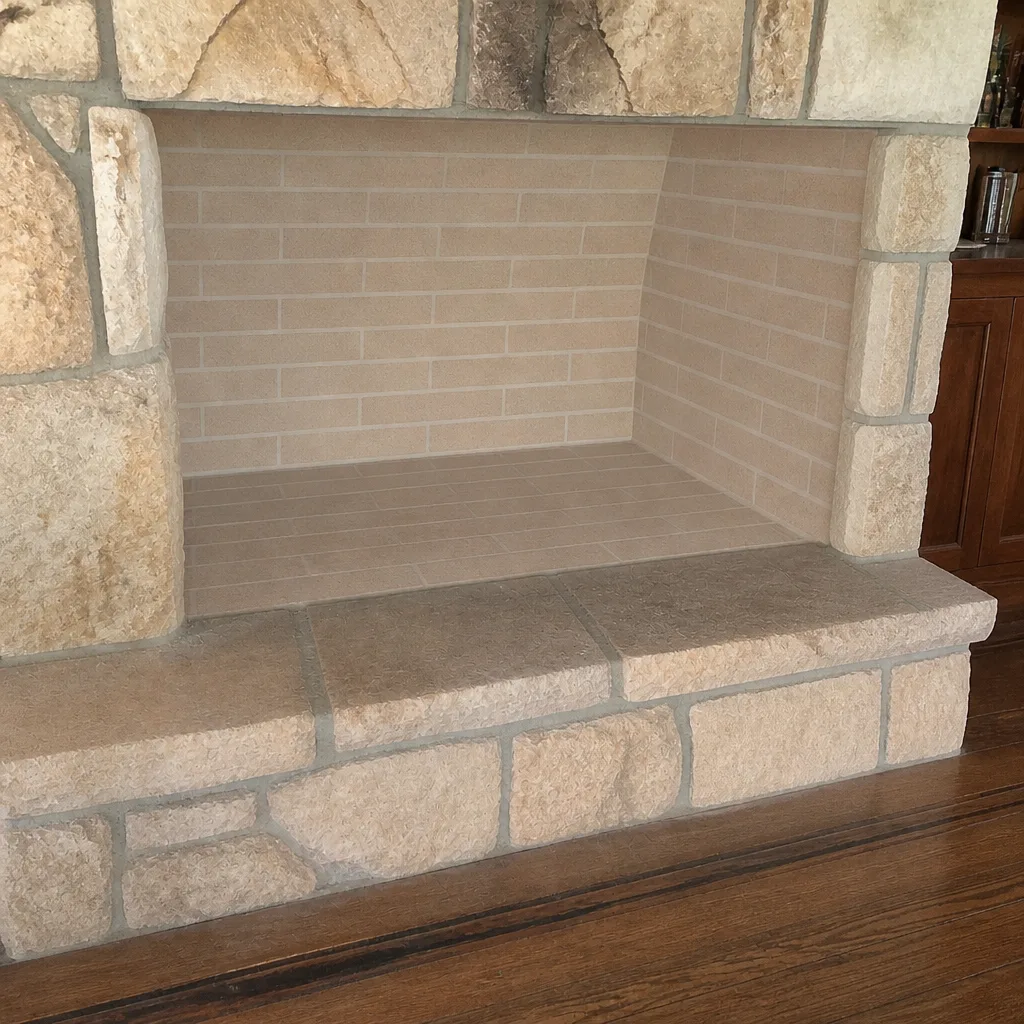
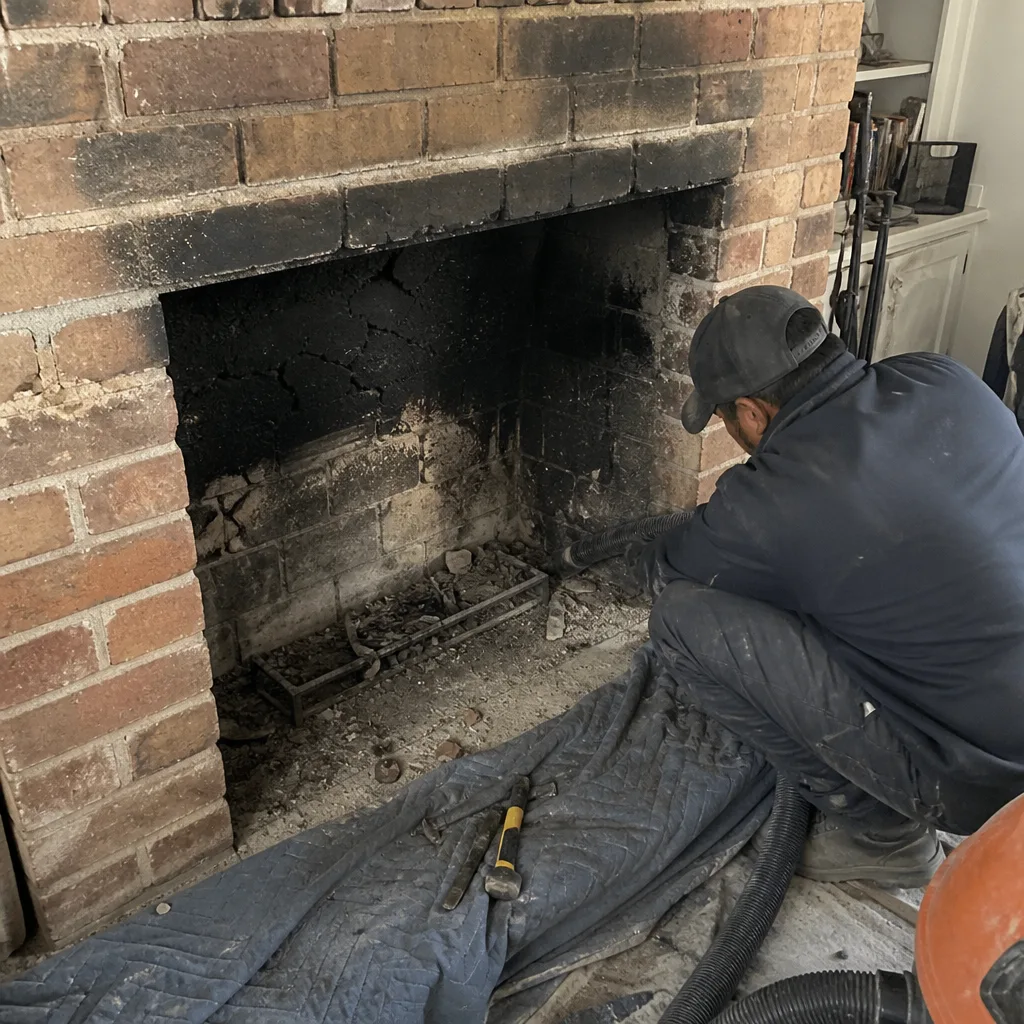
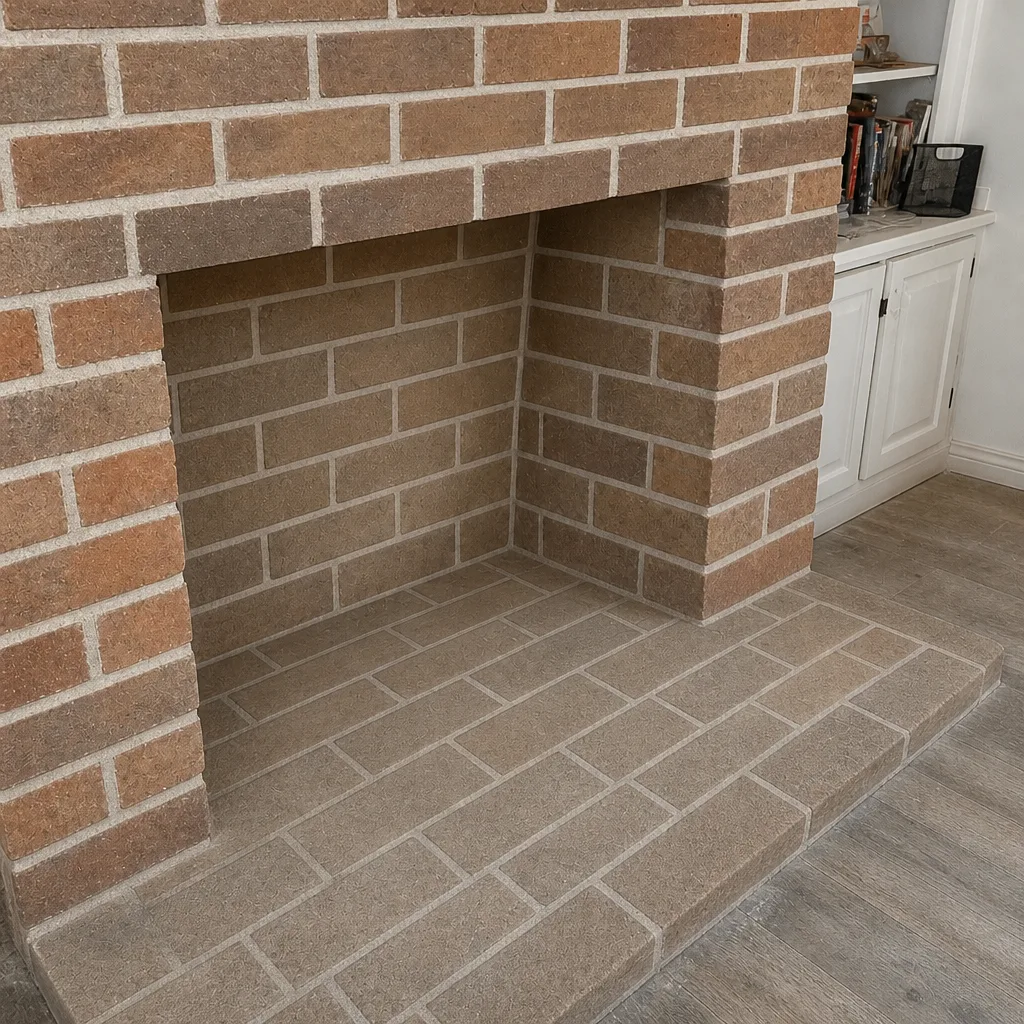
See the difference
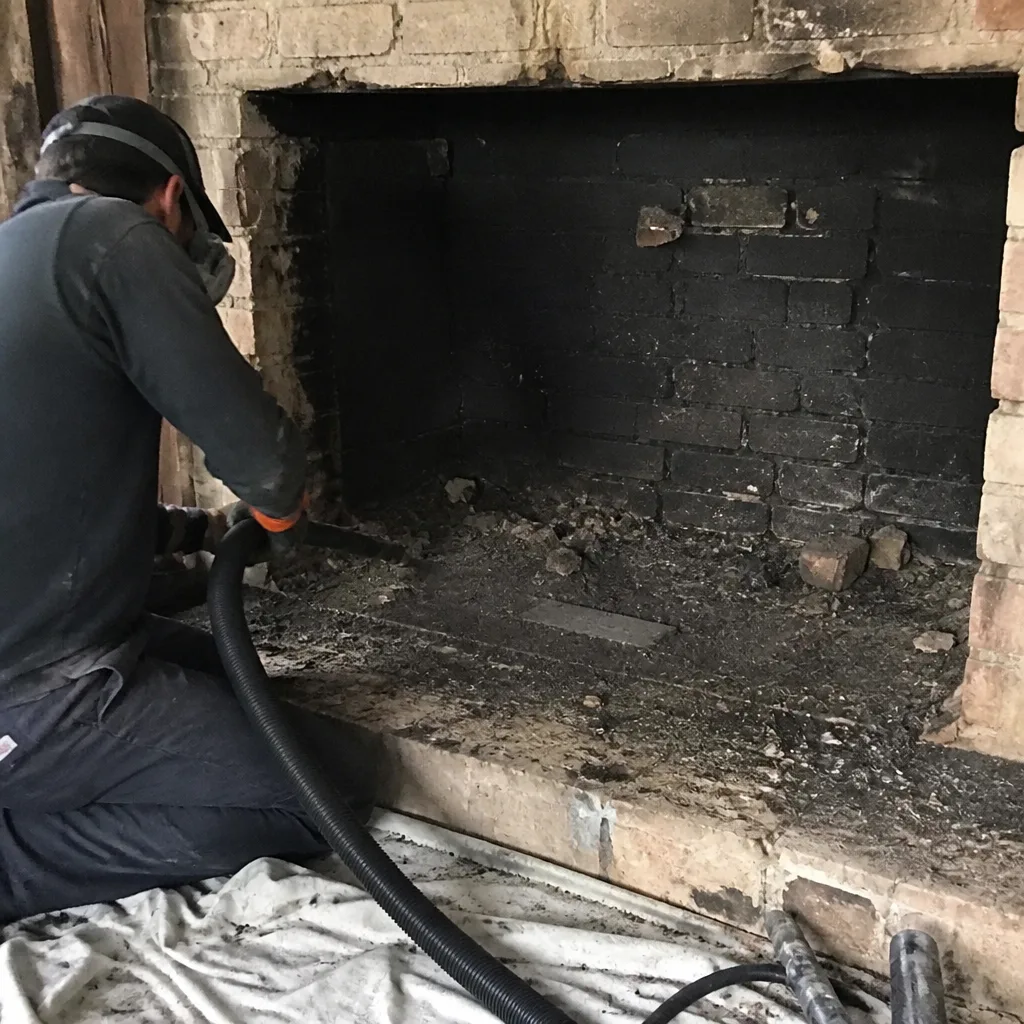 Before
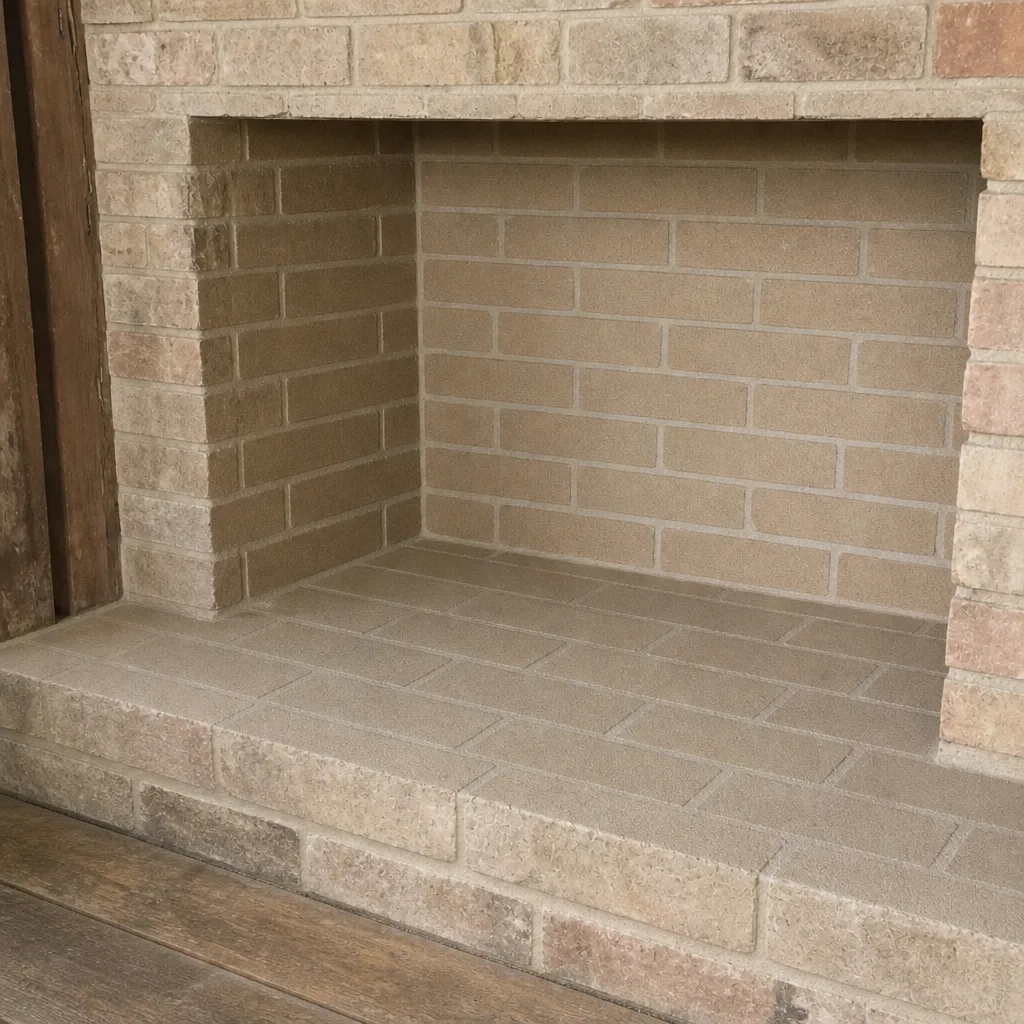 After
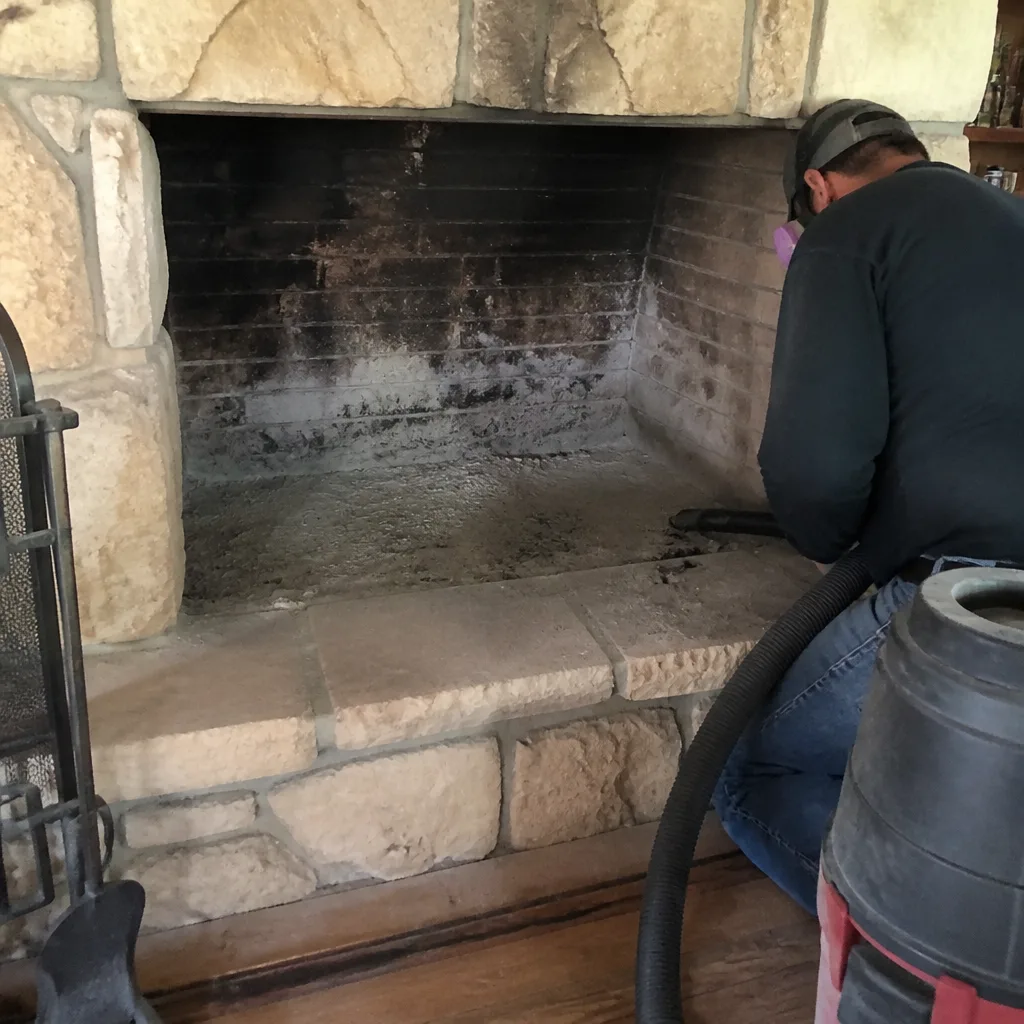 Before
 After
 Before
 After
Common Mistakes to Avoid
- Waiting for a visible emergency. By the time you see smoke in the room or a crack you can see through, you’ve skipped the cheap fix. Read the early signs and act on those.
- Treating efflorescence as cosmetic. That white stain is water moving through your masonry. In El Paso, the occasional cold night can turn that water into a crack. Clean it up, but also find out where it’s coming from.
- Burning through a smoke rollout. If your fireplace rolls smoke on startup and keeps doing it, don’t keep lighting fires. A draft problem is a venting problem until proven otherwise.
- Ignoring the gas fireplace because it’s “self-cleaning.” Gas appliances still vent, still need an annual inspection, and can still produce carbon monoxide if the vent or combustion goes wrong. A yellow flame with soot is a stop sign.
- Skipping the chimney because “it’s dry here.” El Paso is dry most of the year, but monsoon rain is fast and heavy, and a compromised crown or cap lets it in. Dry climate delays the damage. It doesn’t prevent it.
- Hiring a generalist to do a specialist’s work. A handyman with a brush can sweep. What a specialist brings is the ability to find and fix the liner problem, the crown issue, and the vent corrosion in the same visit. You don’t want to be handed off to a second contractor after the sweep.
- Climbing the roof for a look. Roofs are dangerous, and a fall is a far worse problem than the chimney. Read what you can see from the ground and photograph it from there. Let a professional handle the roof-level inspection.
When to Call a Professional
Some signs are a “schedule a sweep” and some are a “call today.” Call now if you see heavy black sooting on a gas appliance, a persistently yellow or orange flame with soot, smoke rolling into the room that doesn’t clear as the fire warms, or visible water damage running through the firebox. Those point at venting or combustion issues you don’t want to ignore. Call to schedule a sweep and inspection if you see efflorescence, a cracked crown, mortar joint wear, a damaged or missing cap, a draft that’s changed, summer or spring odor from the fireplace, or soot and creosote at the damper. Those are the early signs, and they’re the ones worth acting on before the wet season.
El Paso Chimney Sweep offers free estimates in El Paso, and we handle sweeping, repair, and dryer vent cleaning as one specialist. Call (888) 849-7238. We answer 24/7. Fast dispatch from 7am to 7pm, Sunday through Friday. Our technicians have up to 15 years of experience, and we tell you what your chimney actually needs, and why.
Frequently Asked Questions
Efflorescence, a cracked crown, damaged or missing cap, mortar joint wear, a draft that has changed, odor from the fireplace when it’s idle, and smoke spilling on startup. Any one of these is a sign to schedule a sweep and inspection before the next burn season. Call (888) 849-7238 for an exact quote, since every chimney is different.
The general industry rule is annual inspection, and sweeping whenever buildup reaches the point that it needs it. For a fireplace that gets regular use, that’s typically once a year. Gas appliances still need an annual vent inspection. El Paso’s shorter burn season means some homeowners push the interval. A spring or fall sweep before the season starts is the reliable habit.
It’s a water signal, and water is the main cause of chimney deterioration. The stain itself is harmless. What it tells you is that water is moving through the masonry, which leads to spalling and liner damage if the entry point isn’t found and repaired. A sweep and inspection will trace where the water is coming from and repair the source.
You can check the exterior from the ground with binoculars and photograph the firebox with a flashlight. That’s useful and safe. Don’t climb the roof or reach into the flue. The components above the firebox aren’t designed for homeowner access, and creosote is combustible and irritating. Reading the signs is your job; cleaning and inspecting the flue is a trained professional’s job.
It’s a reverse draft, pulling stale air and creosote odor down the flue. It happens when the house and the outside air reach a temperature relationship that flips the normal upward draft. It signals buildup worth sweeping, and it’s a heads-up that summer monsoon rain will test any weakness in the crown, cap, or flashing. A sweep before the wet season handles it.
Yes. Soot on the logs or glass, a persistently yellow or orange flame, condensation that doesn’t clear, odor with the unit off, or corrosion on the vent termination. A yellow flame with soot is a carbon monoxide concern and a reason to stop using the appliance and get it inspected. Professional-grade venting components from brands like Famco and DuraFlex are what we install when a gas vent needs replacing.
The Bottom Line
The warning signs that protect a home are the quiet ones: white staining on the brick, a hairline crack in the crown, a cap knocked loose by wind, a draft that feels a little different, a smoky smell in a warm month. Those early signals are what let a cleaning stay a cleaning. By the time the signs are obvious, the job has usually grown. Walk your chimney from the ground, photograph what you find, and book a sweep before the wet season arrives. A clean flue, a sound liner, and a clear vent are what keep the next season safe. El Paso Chimney Sweep sweeps, repairs, and cleans dryer vents as one specialist, using HeatShield for flue restoration when that’s the smarter call than a full reline. We’ll tell you what your chimney actually needs, and why. Call (888) 849-7238 for a free estimate.
Written by the team at El Paso Chimney Sweep.