
Last updated November 14, 2026
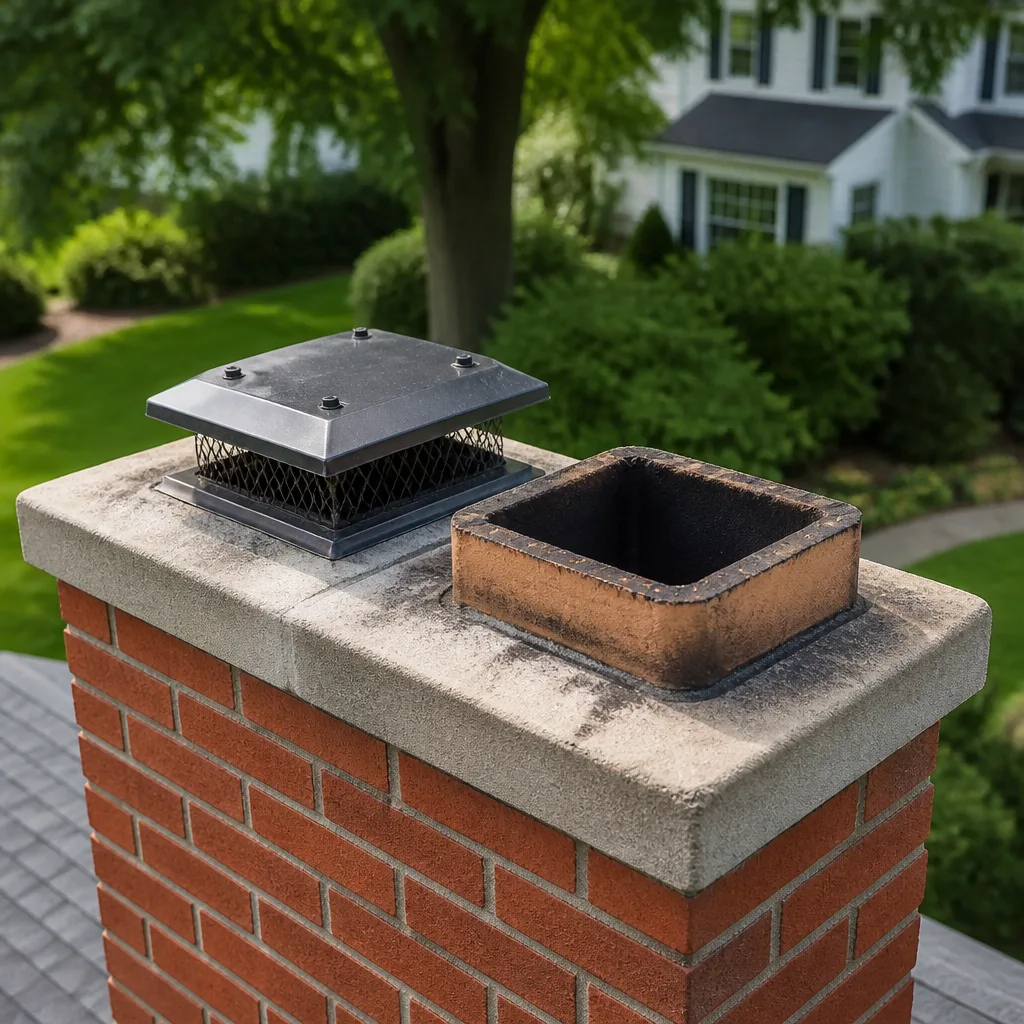 Sweep & inspection
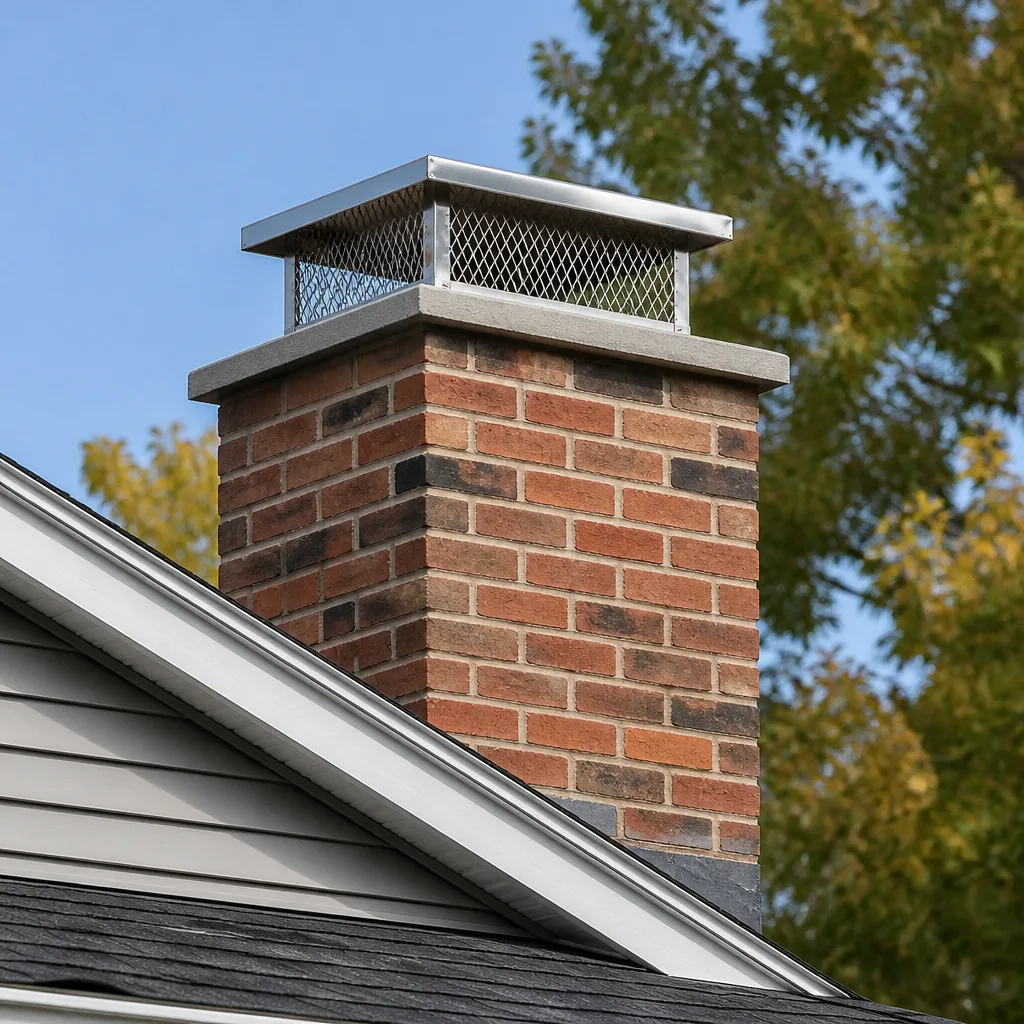 Caps & crowns
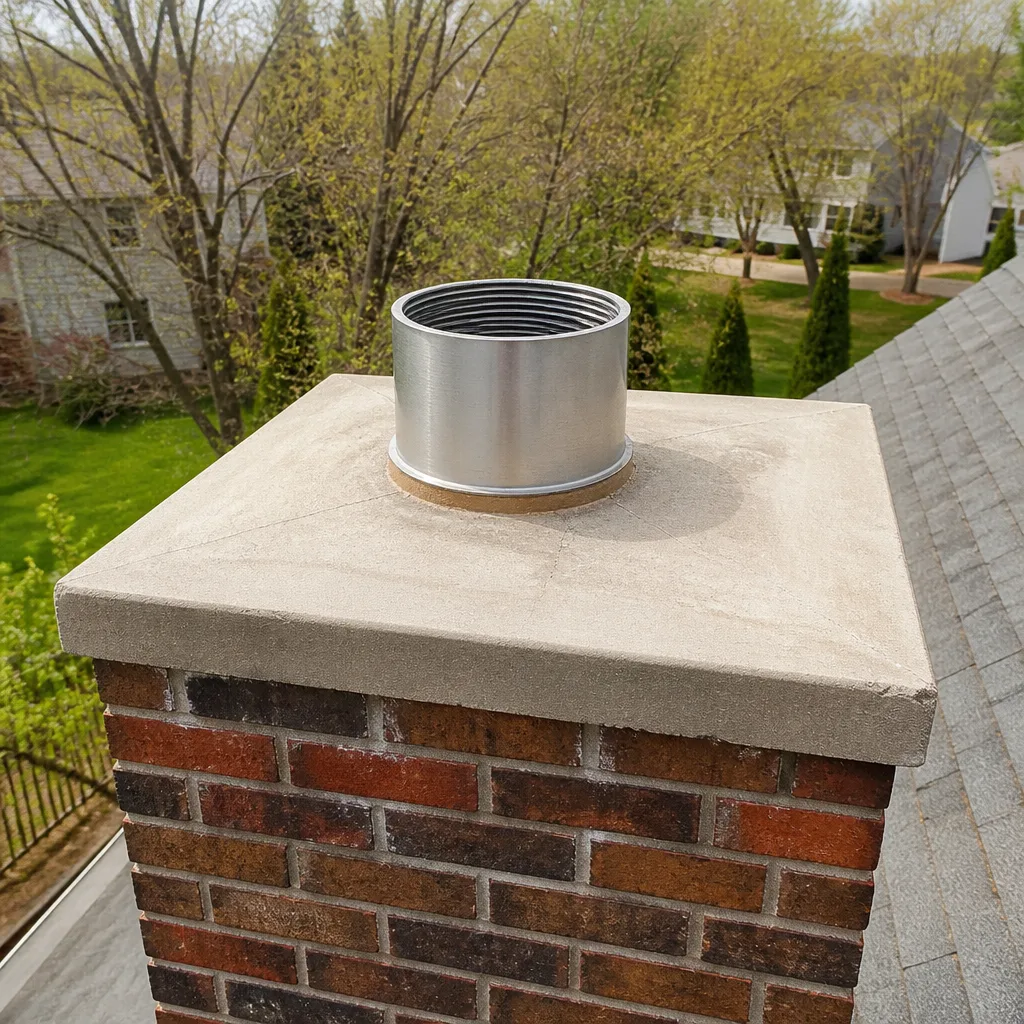 Flue relining
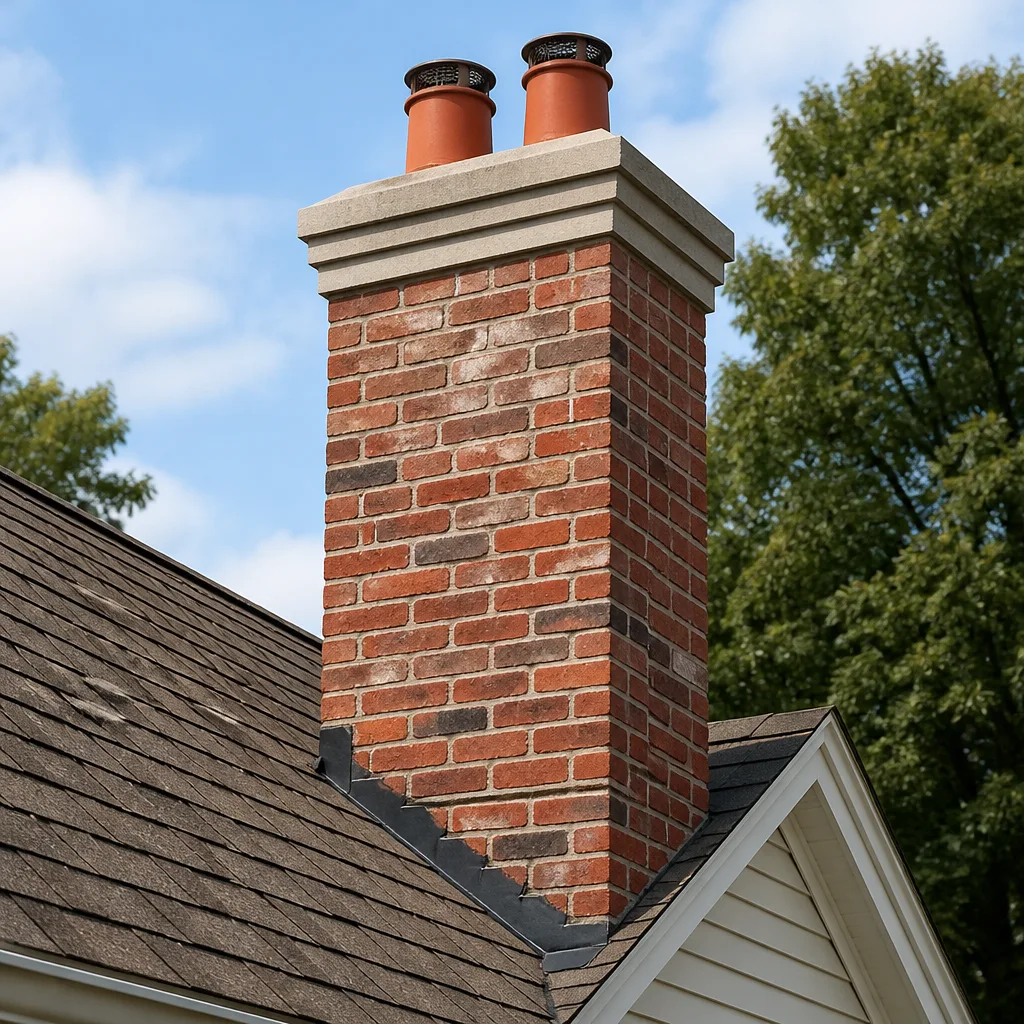 Masonry repair
 Gas fireplace service
Level 1 sweep and inspection to the NFPA 211 annual standard - flue, crown, cap, and flashing checked and photographed
Chimney sweep logs do not sweep chimneys. They loosen some creosote - which then falls where a brush and vacuum still have to collect it.
Chimney Sweep Maintenance Checklist for El Paso Homeowners
Most chimney checklists get handed out in October, right before the first fire. That’s backward for El Paso. The damage that shortens a chimney’s life here happens in July and August, when monsoon rain hammers mortar joints and wind peels caps loose, and again in March, when white-winged doves and starlings look for a sheltered ledge to nest. A cap missing two screws in spring is the difference between a clean flue and one packed with twigs by summer. This guide is built backward from the failures we actually find in El Paso chimneys, so every item on it comes with what goes wrong if you skip it. Read it once, keep it, and you’ll know what to check, when, and what to leave to a professional.
Quick Answer
A chimney maintenance checklist for El Paso should be split into three phases: a pre-season inspection in late spring (cap integrity, mortar joints, flashing after monsoon rains), a professional sweep booked after your last fire of the season rather than before your first, and a fall verification before you burn again. The single most valuable habit is documenting condition year over year with photos and written notes so you can spot deterioration as a trend instead of discovering it as a repair bill.
Styles & brands we work with
- Sweep & inspection
- Caps & crowns
- Flue relining
- Masonry repair
- Gas fireplace service
Table of Contents
- Why This Checklist Works Backward From Failure Points
- Pre-Season Checklist: What El Paso Weather Does to a Chimney
- What You Can Safely Check Yourself (and What You Can’t)
- Post-Burn-Season Checklist: Why We Clean After the Last Fire
- How to Document Your Chimney Year Over Year
- DIY-Appropriate Items vs. Warranty-Voiding Mistakes
- The Dryer Vent Item Most Checklists Miss
- Common Mistakes to Avoid
Why This Checklist Works Backward From Failure Points
A generic seasonal checklist tells you to “inspect the chimney” and “clean the flue.” It doesn’t tell you what a failed inspection looks like from the ground, or which of the items on the list will actually cost you something if you let it slide. So instead of building this from what a chimney contains, we built it from what fails in El Paso chimneys and in what order.
The failures fall into four buckets, and knowing the bucket changes how urgently you act:
- Water intrusion. Mortar joints, flashing, and the crown take the brunt of El Paso’s summer rain. Water that gets in through a cracked crown or joint works on the flue lining from the outside in, and by the time you smell it, the damage is usually more than a sweep.
- Animal intrusion. White-winged doves, starlings, and the occasional squirrel treat an uncapped flue as prime real estate in spring. A nest in the flue isn’t just a blockage – it’s fuel sitting directly where a fire would go.
- Creosote accumulation. Wood smoke leaves creosote on the flue walls, and creosote is what actually burns in a chimney fire. Glazed, hardened creosote is the dangerous stage and it doesn’t announce itself.
- Venting failures on the appliance side. Gas inserts, water heaters, and furnaces rely on the same flue system. When a vent is blocked or undersized, combustion gases have nowhere to go but back into the house.
Each section below maps to one of those buckets. Every item has a “skip it and this happens” attached, because that’s the difference between a list you follow and a list you ignore. Our technicians have up to 15 years of experience finding these failures in El Paso homes, and the pattern holds whether the house is in the Lower Valley or the Westside.
Pre-Season Checklist: What El Paso Weather Does to a Chimney
The pre-season window in El Paso runs from late spring into early summer, before monsoon season peaks. This is when you want eyes on the exterior of the chimney, because the July and August rain cycles are what turn a hairline crack into a failed crown. It’s also the last realistic window before nesting season closes, since once a bird is in the flue you generally can’t sweep until the young have left.
Work through these items in order:
- Check the cap and its fasteners. Get on a safe vantage (binoculars from the yard, or a roofer’s ladder if you’re comfortable and the roof is dry) and look at the cap. Two loose screws are all it takes for wind to walk a cap off its flue. A missing cap means rain, animals, and debris all have a direct path in.
- Look at the crown. The crown is the concrete or masonry slab that sheds water off the top of the chimney. Any crack wider than a hairline is a pathway for water into the flue structure.
- Scan the mortar joints for erosion. El Paso’s sun and rain work mortar joints slowly. Raking out and repointing early is a small job; letting the joints go until the flue tiles shift is a big one.
- Check the flashing where the chimney meets the roof. Flashing is a common leak source after a strong monsoon. Look for lifted, rusted, or separated metal at the base of the chimney.
- Confirm the damper opens and closes fully. A damper stuck partly open lets conditioned air out all summer and lets pests in. A damper that won’t open means smoke has nowhere to go on your first fire.
- Look for efflorescence. That white, powdery staining on exterior masonry is a water signature. If you see it, water is getting in somewhere and drying back out through the brick.
None of these require tools beyond a flashlight and a set of binoculars. What they do require is looking. Most of the water damage we find in El Paso starts with something a homeowner could see from the yard but never looked at.
One caution worth stating plainly: never climb onto a steep roof or stand on wet roofing to inspect a chimney yourself. The fall risk is real and far more serious than the chimney problem you’d find. If you can’t see the cap from a safe spot, that’s the reason to call a professional, not a reason to climb.
What You Can Safely Check Yourself (and What You Can’t)
There’s a line between the chimney checks a careful homeowner can do and the ones that need a professional tool or a trained eye. Knowing where that line is saves you from two mistakes at once: paying for an inspection you didn’t need, and thinking you’ve inspected when you haven’t seen the part that matters.
Safe for a homeowner:
- Visual check of the chimney exterior from the ground with binoculars.
- Opening and closing the damper to confirm it moves freely.
- Looking up the flue from the firebox with a flashlight to see obvious blockages, nests, or heavy soot – from a standing position, without reaching past the damper.
- Confirming the cap is present and the fasteners appear sound.
- Checking that no combustible material (furniture, curtains, firewood) sits close to the firebox opening.
- Testing smoke and carbon monoxide alarms on schedule.
Requires a professional:
- Borescope inspection of the flue interior. The flue lining is what keeps fire and heat away from the house structure. A flashlight from the firebox shows you the bottom few feet; a borescope camera shows the whole run. Hairline cracks and gaps in flue tiles are invisible without one, and those are exactly the failures that matter.
- Smoke test. A smoke test traces how the vent system draws under real conditions. It’s how we find leaks in the flue and confirm whether an appliance is venting correctly, and it’s not something you can replicate with a visual check.
- Creosote assessment. Telling the difference between a light soot coating and glazed, hardened creosote requires looking at the full flue and knowing what stage three looks like. It’s the difference between a routine sweep and a fire risk that needs specific attention.
- Liner evaluation. If the flue lining is compromised, the question becomes whether the chimney needs a liner replacement or a resurfacing process like HeatShield can restore it. That’s a diagnosis, not an inspection.
When we inspect a chimney in El Paso, we’re looking for two things the homeowner can’t see: the condition of the flue lining over its full length, and whether the venting for a gas insert or other appliance is drawing correctly. Everything else you can learn from the ground.
Post-Burn-Season Checklist: Why We Clean After the Last Fire
This is the counterintuitive item, and it’s the one that matters most. Most homeowners schedule a sweep in the fall, right before the first fire of the season. We’d argue for the opposite: clean after your last fire, then verify before your first. Here’s why.
The residue sitting in your flue after a burn season is creosote, soot, and ash, and that residue doesn’t sit idly over the warm months. Creosote absorbs moisture from the humid air of a summer monsoon, and that moisture accelerates corrosion of the flue lining and turns a light soot coating into something denser. The longer corrosive residue stays in contact with the flue, the more it wears on the liner. Cleaning in spring removes it before the humid season gets to work on it.
A post-burn-season checklist looks like this:
- Book the sweep after your last fire, not before your first. The residue gets removed before summer, and you get a full inspection report with a clean flue to review all summer.
- Have the flue inspected while it’s empty. A clean flue is the only time a professional can see the lining clearly. Creosote hides cracks.
- Note any draft problems from the last season. Did the fireplace smoke more than it should have? Was it stubborn to light? Did you smell a smoky odor in the house on warm days? Those are symptoms worth reporting, because they point to specific issues.
- Check the firebox and damper for wear. Grates, firebox brick, and the damper all take abuse during the season. Note anything cracked or stiff.
- Confirm the cap is intact. Winter wind can loosen it. Spring is the moment to catch it before nesting season.
- Fall verification. Before your first fire, confirm nothing changed over the summer: no nests in the flue, no new visible damage, damper still working.
Scheduling the sweep after the season is the single most-skipped item on any checklist we’ve seen. In our experience, a flue that gets cleaned in spring and inspected again in fall lasts longer than one that only ever gets looked at once a year before lighting up. That’s why the sweep in El Paso should land in spring.
How to Document Your Chimney Year Over Year
A chimney fails slowly. That’s a problem, because it means a small issue that shows up one year gets treated as normal the next, and by the time it’s obvious, the repair is a rebuild rather than a repoint. The fix is documentation. If you record what your chimney looks like each year, you stop guessing whether that crack was always there.
Here’s a system that works:
- Photograph the exterior every year from the same spot. Pick a landmark (a fence post, a tree, a neighbor’s roofline) and shoot the chimney from the same angle each spring. Side-by-side photos show mortar erosion and crown cracking as a trend rather than a single snapshot.
- Keep the written sweep report. When a professional inspects your flue, ask for a written report of what was found and what condition it was in. If you work with us, that report is part of the service.
- Keep a simple fire log. Roughly how many fires per season, and whether you burned seasoned or unseasoned wood. More fires, or wet wood, means more creosote and a shorter interval between sweeps.
- Record any symptoms. Smoke in the room, a stubborn draft, a smoky odor on warm days. Symptoms are the earliest evidence something has changed.
- Note the dates of any repair. If a cap was replaced, a joint repointed, or a liner repaired, note when. It tells you how long the fix has held.
Two photos and a page of notes a year means that in five years, you’re making decisions from evidence rather than memory. That’s the whole point. A chimney is a slow-motion system, and documentation is how you see the motion.
DIY-Appropriate Items vs. Warranty-Voiding Mistakes
Some chimney tasks you can do yourself, and some you should not attempt for two distinct reasons: they’re dangerous, and they can void a manufacturer’s warranty on your liner or venting system. Both reasons are worth taking seriously.
DIY-appropriate:
- Visual inspection of the chimney exterior with binoculars.
- Testing the damper and noting how it moves.
- Clearing the firebox of ash between burns (ashes left to build up can shorten the firebox’s life).
- Keeping combustibles clear of the firebox.
- Cleaning and inspecting the dryer vent per manufacturer guidance (though see the section below on why this may still warrant a professional).
- Testing smoke and carbon monoxide alarms.
Not DIY-appropriate, for safety or warranty reasons:
- Sweeping the flue. A brush, rods, and a poorly sealed flue can coat your living room in soot and, more seriously, dislodge a damaged flue tile. Sweeping is also when the flue gets inspected, and a homeowner can’t inspect what they can’t see.
- Replacing or repairing a liner. Liner work involves specific materials – we source DuraFlex and Olympia Chimney liner systems and Copperfield caps, for example – and the wrong fit or installation can void the liner’s warranty and the appliance manufacturer’s warranty at the same time.
- Resurfacing the flue. Processes like HeatShield resurfacing restore a flue without full relining, but they’re applied by specialists and need the right prep. Done poorly, resurfacing can fail early and hide the underlying problem.
- Gas appliance venting work. Any venting for a gas insert, furnace, or water heater should be handled by a trained professional. Getting the vent wrong can put carbon monoxide back into the house, and this is genuinely a life-safety line, not an upsell.
- Roof-level repairs. Any work on the roof around a chimney involves fall risk and flashing that has to be reinstalled correctly, or the leak just moves.
The warranty point matters because many liner and venting manufacturers require installation by a qualified professional or a listed installer for their warranty to hold. If you replace a liner yourself and something fails, the warranty is usually the first casualty. That’s a concrete reason to let a professional handle it, separate from the safety reason.
The Dryer Vent Item Most Checklists Miss
Chimney checklists tend to stop at the chimney. But there’s a second vent in most homes, and it’s the one that accumulates lint every single load: the dryer vent. Lint buildup in a dryer vent is a leading cause of residential house fires, and it’s the one item this checklist includes that most chimney-only companies don’t offer.
Why does it belong on a chimney checklist? Because your dryer vent is a venting system, just like your flue. It moves hot, moisture-laden air out of the house through a duct run, and when lint blocks that run, heat builds in the wrong place. The failure mode is different from a chimney fire, but the principle is identical: a vent that doesn’t vent is a problem, not a nuisance.
The dryer vent items to include in your yearly checklist:
- Clean the screen every load – that’s the part anyone can do, and it cuts the buildup rate.
- Check the exterior termination once a year. Look for lint or a bird’s nest at the outside vent. A blocked termination means the whole run is slow to clear.
- Book a professional cleaning based on usage and run length. A household that runs several loads a week, especially with a long duct run, benefits from a dedicated cleaning more often than one that dryers a load a week.
- Watch for warning signs: clothes taking longer to dry, the dryer feeling hotter than usual, or a musty smell. These are evidence the vent is restricted.
- Consider the duct itself. Smooth metal duct vents better than the flexible foil kind many homes have, and the material matters more than most homeowners realize.
Adding a dryer vent cleaning to your annual schedule is one of the simplest things you can do, and it catches a hazard that has nothing to do with your fireplace. In El Paso, where dry air and dust are both in play, the vent run can accumulate more than a humid climate would. It’s a small item with a big payoff.
Common Mistakes to Avoid
- Scheduling the sweep in fall instead of spring. Cleaning after the last fire removes corrosive residue before summer humidity works on it. A fall sweep leaves the residue in place all summer.
- Skipping the cap check after a windy spring. In El Paso, a cap can go missing in a windstorm without a sound. A flue open to the sky in nesting season fills with twigs before summer.
- Assuming a gas insert needs no inspection. Gas appliances vent through the flue too, and a blocked or damaged vent can put combustion gases back into the house. It’s one of the cases worth a professional smoke test.
- Climbing the roof to look at the cap yourself. Fall risk on a steep or wet roof far outweighs the benefit. Binoculars from the yard are the safe version of the same check.
- Treating a small crown crack as “just cosmetic.” The crown is what sheds water off the top of the chimney. A crack there lets water into the structure, and the damage below the surface is what gets expensive.
- Cleaning the flue with a brush and calling it done. A sweep without an inspection is half a service. The sweep cleans; the inspection finds the problems that the sweep can’t fix.
- Ignoring the dryer vent entirely. A checklist that covers the chimney but not the dryer vent misses a leading cause of house fires, and the fix is a single annual cleaning.
See the difference
 Before
 After
 Before
 After
 Before
 After
When to Call a Professional
Some items belong on a professional’s schedule, and the sooner you book, the more room you give yourself. Call a professional if:
- You haven’t had the flue inspected in the last year, or you don’t know when it was last checked.
- The fireplace smoked into the room during the last season, or it drafts poorly.
- You see cracked or missing cap, crown, or mortar from the yard.
- You’ve had birds or animals in the flue, or you hear noise from it in spring.
- You’re burning a gas insert, and you want the venting confirmed with a smoke test.
- You see any sign of water intrusion – efflorescence, staining, or a leak near the chimney.
El Paso Chimney Sweep offers free estimates in El Paso. We’re authorized to source and install materials from DuraFlex, HeatShield, Gelco, Olympia Chimney, Famco, and Copperfield, so when an inspection finds a problem, we can diagnose and correct it under one roof rather than handing you off to a second contractor. Call (888) 849-7238.
Frequently Asked Questions
Most wood-burning chimneys in El Paso should be swept once a year, with the sweep booked after your last fire of the season rather than before your first. Homes that burn frequently, or burn unseasoned wood, may need a shorter interval. A professional inspection each year tells you whether your specific use pattern calls for more frequent sweeps. Call (888) 849-7238 for an exact quote – estimates are free.
A standard sweep is priced per job by a written estimate after we’ve seen the chimney, because the work varies with flue condition and access. Estimates are free, so there’s no cost to find out what your chimney actually needs before you commit. Call (888) 849-7238 for an exact quote – estimates are free.
Skipping the sweep leaves creosote on the flue walls, and glazed creosote is what fuels a chimney fire. Over a summer in El Paso, the residue also absorbs moisture during monsoon season and works on the flue lining. Both failures are slow and quiet, which is why the annual inspection matters. Call (888) 849-7238 for an exact quote – estimates are free.
You can safely do the visual exterior check (cap, crown, mortar, flashing) from the ground with binoculars, and test the damper. What you can’t do is see the flue lining over its full run, which is what a borescope and a smoke test give you. The flue lining is where the failures that matter hide. Call (888) 849-7238 for an exact quote – estimates are free.
It depends on the condition of the flue, which is why the inspection comes first. In our experience, many chimneys that look like they need a full relining can be restored with a resurfacing process like HeatShield, which extends the chimney’s life without full replacement. We only recommend a liner when the lining genuinely can’t be saved; the inspection report tells you which case you’re in. Call (888) 849-7238 for an exact quote – estimates are free.
Yes – a dryer vent is a venting system too, and lint buildup in it is a leading cause of house fires. El Paso Chimney Sweep offers chimney sweep and dryer vent cleaning as separate services under one roof, so both vents in the house get attention in a single relationship. Call (888) 849-7238 for an exact quote – estimates are free.
The Bottom Line
A chimney maintenance checklist is only useful if it tells you when and why, not just what. Build yours around three phases: a late-spring exterior check (cap, crown, mortar, flashing), a post-burn-season sweep and inspection, and a fall verification before your first fire. Add a dryer vent cleaning to the annual schedule. Document what you find each year with photos and the written inspection report so you can see deterioration as a trend. And leave the flue lining, liner work, and gas venting to a professional, because those are the items where the wrong call is both costly and dangerous. Our technicians have up to 15 years of experience, and we work in El Paso on that same principle: clean flue, sound liner, clear vent.
If you’re ready to book a sweep, an inspection, or a dryer vent cleaning, call El Paso Chimney Sweep at (888) 849-7238 for a free estimate. We answer 24/7. Fast dispatch, 7am-7pm, Sunday through Friday. Learn more about El Paso Chimney Sweep and how we work in El Paso.
Written by the team at El Paso Chimney Sweep.