
Last updated November 14, 2026
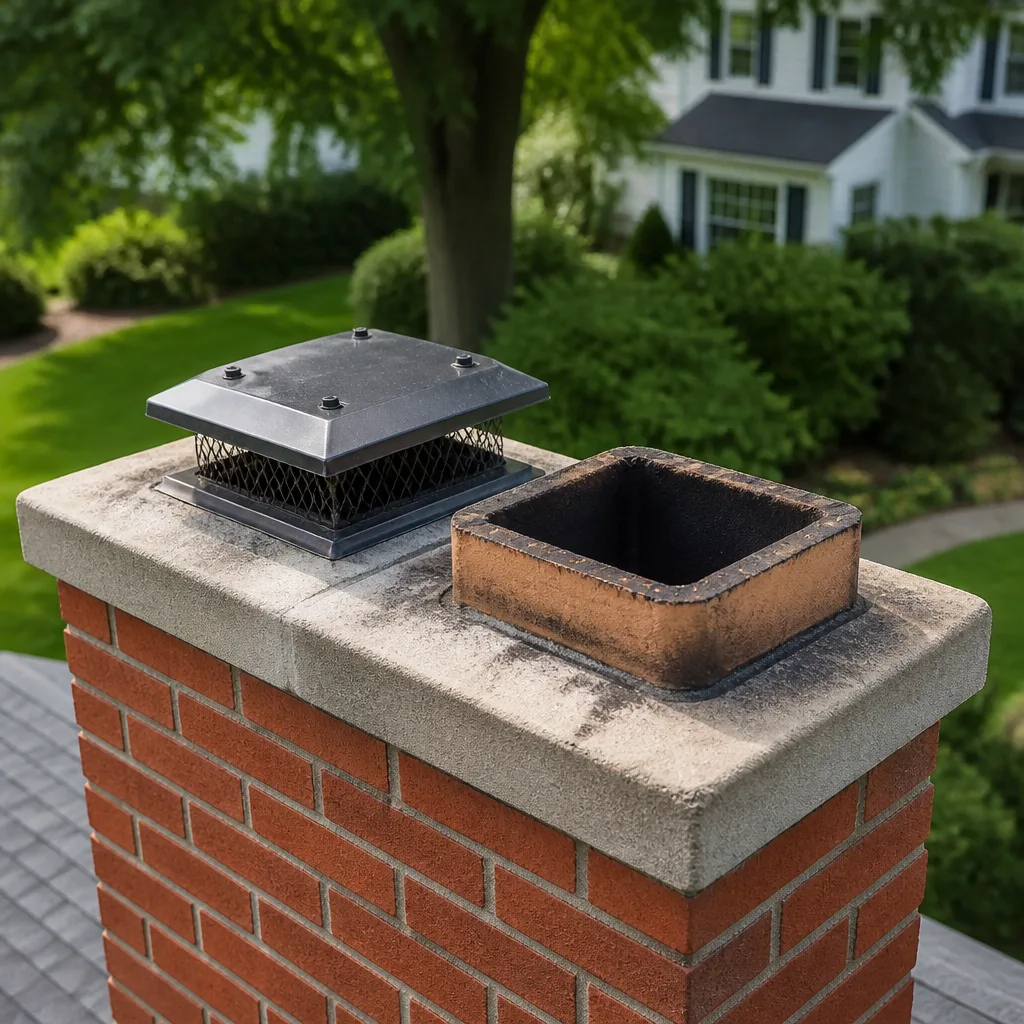 Sweep & inspection
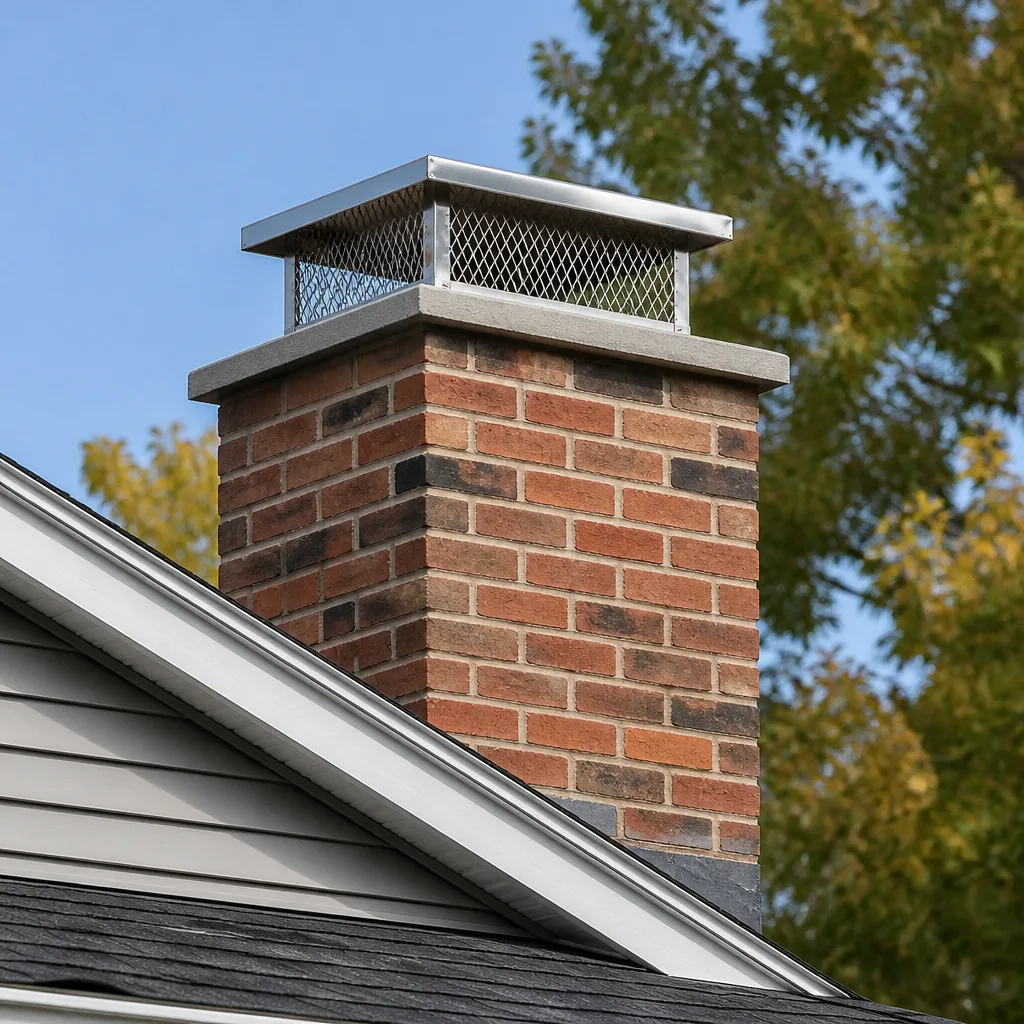 Caps & crowns
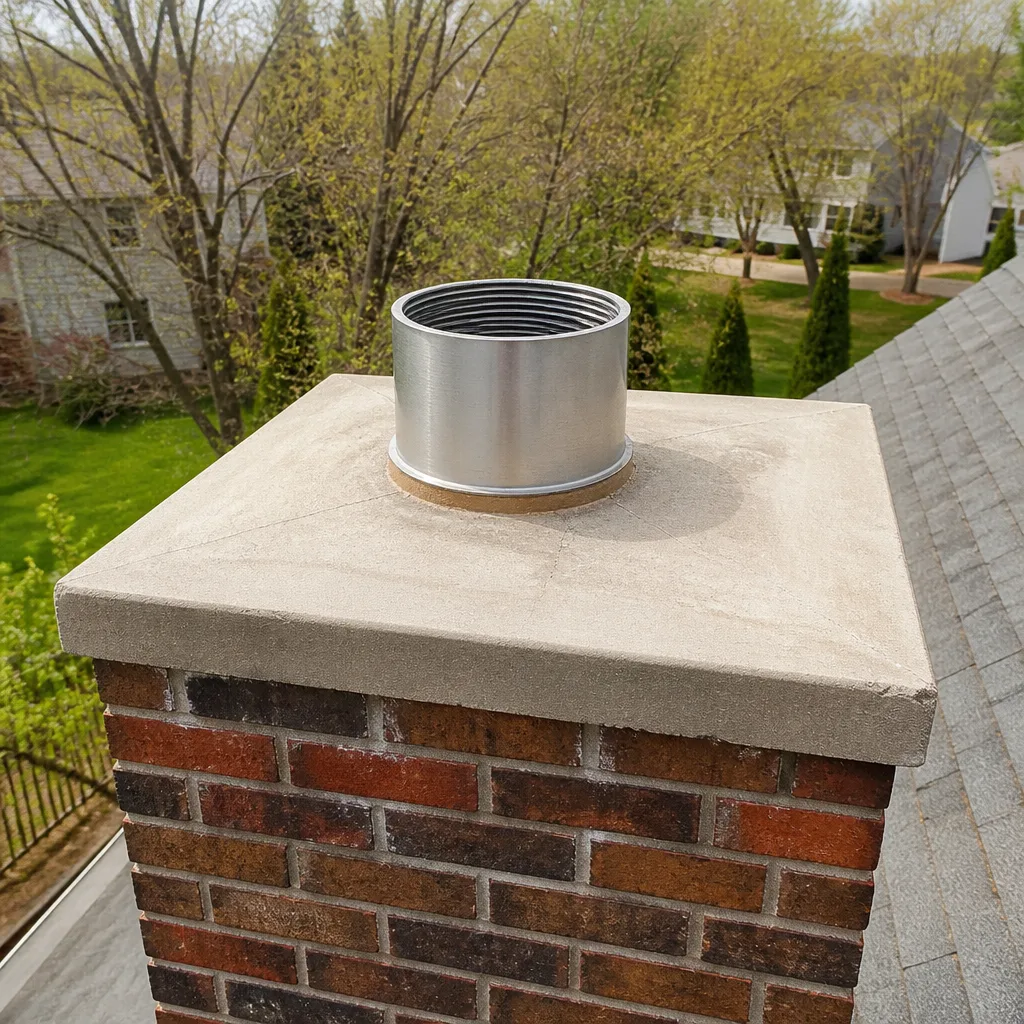 Flue relining
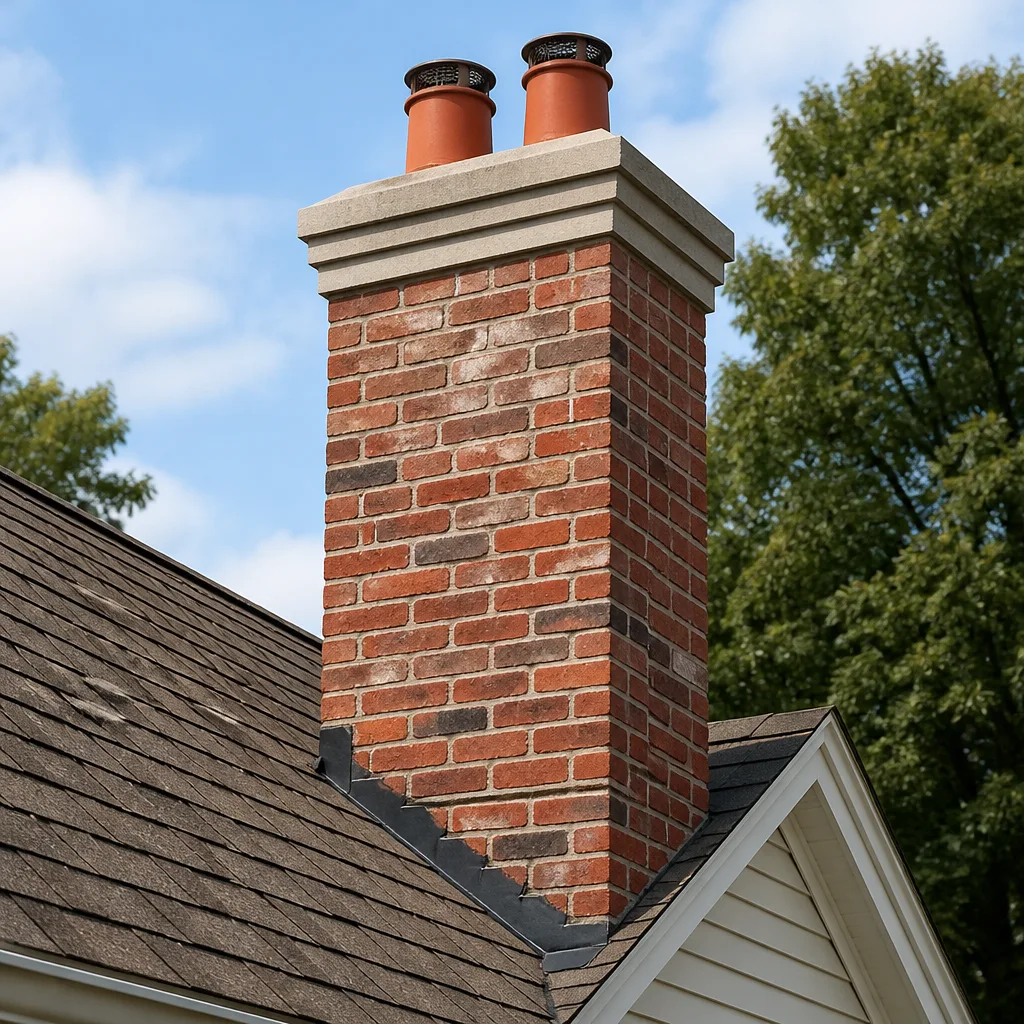 Masonry repair
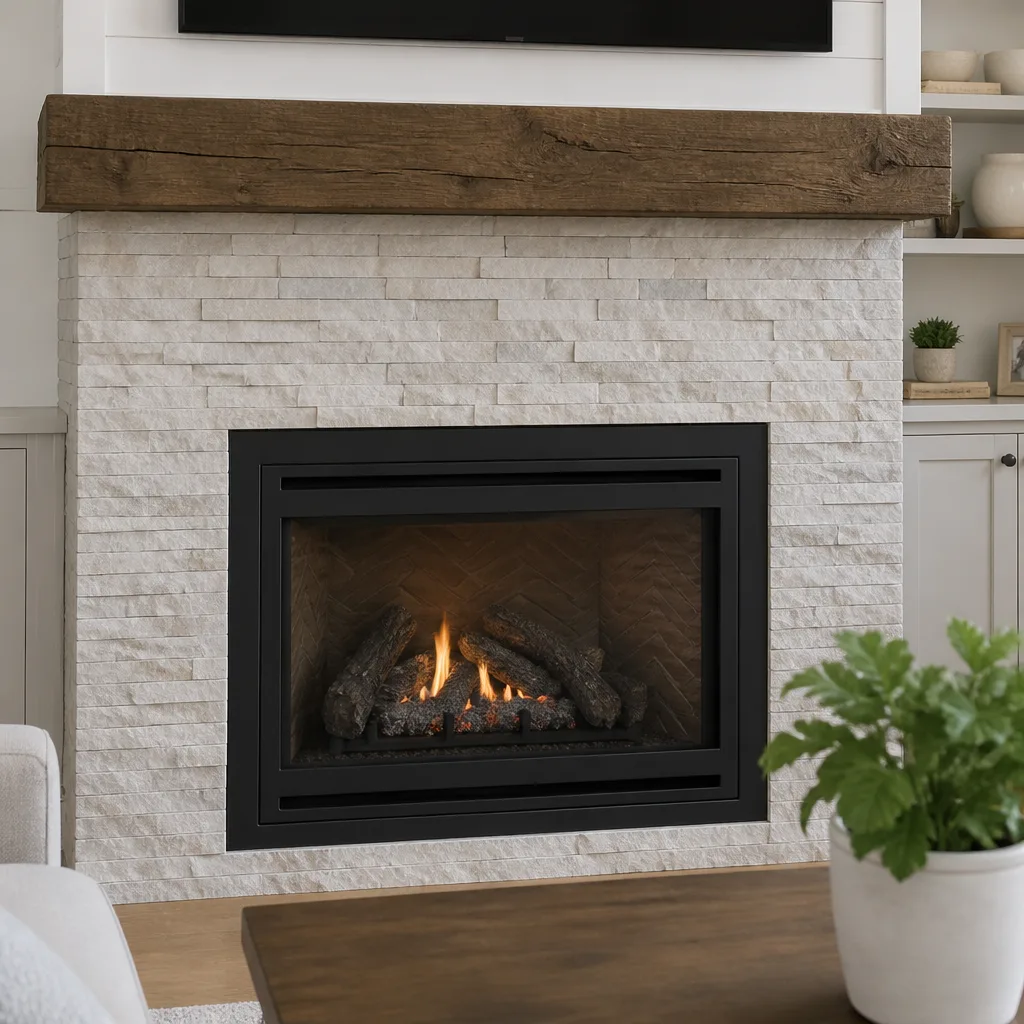 Gas fireplace service
Level 1 sweep and inspection to the NFPA 211 annual standard - flue, crown, cap, and flashing checked and photographed
Chimney sweep logs do not sweep chimneys. They loosen some creosote - which then falls where a brush and vacuum still have to collect it.
Choosing the Right Chimney Cleaning Brand: A Buyer’s Guide for El Paso
Most homeowners in El Paso pick a chimney company based on the phone number or the price. Almost none of them ask the one question that actually determines how long the work will last: what brand of product is going into the chimney? A crown coating, a smoke chamber sealant, and a liner system all look identical on the day of service. Six months later, the cheap ones are cracking and the professional-grade ones are still doing their job. That’s the difference between contractor-grade materials and the hardware-store alternatives, and it’s the difference between a repair that lasts a decade and one that fails in eighteen months. This guide breaks down where brand and specification actually matter, what UL listing and ASTM compliance mean for you, and the exact questions to ask any contractor before they touch your flue.
Quick Answer
The right chimney cleaning brand is the one whose products carry the correct UL listing and ASTM rating for the application, backed by a contractor trained in proper substrate prep and installation. In El Paso, that means liner systems, crown coatings, and sealants that handle desert thermal cycling, monsoon moisture, and intense UV exposure without failing. Ask every contractor what brand they use and why it fits your specific chimney; a professional can answer in specifics, not generalities.
Styles & brands we work with
- Sweep & inspection
- Caps & crowns
- Flue relining
- Masonry repair
- Gas fireplace service
Table of Contents
- Why the Brand Inside Your Chimney Matters More Than You Think
- The Four Product Categories Where Brand and Specification Actually Matter
- UL Listing and ASTM Compliance: What They Mean for Your Liability
- How to Ask a Contractor What Brand They’re Using (and What a Good Answer Sounds Like)
- Why the Brand Reflects the Contractor’s Training Level
- El Paso Climate Considerations in Material Selection
- How the Materials Fit Together: Interior to Exterior
- A Step-by-Step Way to Verify a Contractor’s Materials
Why the Brand Inside Your Chimney Matters More Than You Think
Chimney work is invisible work. Once the repair is finished, you can’t see the smoke chamber sealant or the crown coating or the bonding method on a liner joint. You see a clean fireplace and a contractor packing up. This is exactly why the brand on the product is the most important thing you never see. A nine-dollar tube of sealant and a professional-grade smoke chamber coating go on and dry the same way on day one. They behave very differently after a hundred heat cycles and a monsoon season.
Think about what your chimney actually does. It goes from ambient temperature to over a thousand degrees during a burn, then back down. It sits in the desert sun and bakes at temperatures high enough to degrade lower-grade sealants. It catches wind-driven rain during July and August storms. It moves corrosive flue gases through every joint and surface. Products that aren’t rated for this environment don’t fail loudly. They crack quietly, shrink away from the substrate, and start letting moisture into the masonry where you can’t see it.
The companies that make professional-grade chimney materials know this. HeatShield, DuraFlex, Gelco, Olympia Chimney, Famco, and Copperfield all build products to withstand specific thermal, moisture, and UV conditions. They also design them to require specific prep and application techniques, which is why the brand and the training go together. We source from all six of these supply brands at El Paso Chimney Sweep because a chimney in El Paso needs materials that can actually handle El Paso.
The Four Product Categories Where Brand and Specification Actually Matter
Not every product used in chimney work has the same weight of importance. A brush is a brush. But four categories of material determine whether your repair holds up, and these are the ones to interrogate with any contractor.
Liner Systems
The flue liner is the safe path for combustion gases. A stainless liner from a professional supplier like DuraFlex or Olympia Chimney is engineered to a specific grade of steel, fabricated with a specific wall thickness, and joined with components designed to work as a unit. Generic or repurposed liner material from an unrated supplier may look similar and function very differently under sustained heat and moisture. Ask what alloy, what wall thickness, and whether the system is listed as a complete assembly.
Crown Coatings
The crown is the concrete cap on top of the chimney that sheds water away from the masonry. It’s the first line of defense against monsoon rain and UV, and it’s also the single most-failed element on a typical El Paso chimney. A flexible crown coating formulated for thermal movement behaves differently than a stiffer parge mix. Products from Gelco and similar suppliers are designed to flex with the crown instead of cracking against it.
Smoke Chamber Sealants
Every fireplace has a smoke chamber above the damper, and that chamber is where a surprising amount of heat loss and condensate damage starts. Professional-grade smoke chamber coatings, like the HeatShield resurfacing process, are applied over properly prepared masonry and cure into a smooth, heat-resistant surface that reduces turbulence and protects the surrounding structure. Cheap sealants look fine on day one and degas or crack under thermal stress.
Mortar Mixes and Repair Materials
Masonry cement, brick mortar, and refractory mixes vary significantly. The right mix depends on the location in the chimney (crown, firebox, flue tile, exterior) and the movement expected. A mortar that works in a wet climate is not the same product you want for a chimney that bakes through a desert summer. Famco and Copperfield supply mixes and components used specifically in chimney and vent applications for a reason.
UL Listing and ASTM Compliance: What They Mean for Your Liability
Both terms get thrown around as if they mean “good,” but they mean something specific. UL listing means Underwriters Laboratories has tested the product to a defined safety standard and verified that it meets it. ASTM compliance means the product meets a standard specification set by ASTM International, usually a material property standard. A product can carry one, the other, or both depending on what it is.
Here’s why this matters for you personally, and not just for the contractor. If a repair later contributes to a house fire or a carbon monoxide event, the first question an insurer, an investigator, or an attorney will ask is whether the materials installed were listed for the application. A liner that isn’t listed for venting a wood appliance is not a liner. It’s a metal tube. A crown coating that isn’t rated for chimney use isn’t a coating. It’s paint. Those distinctions carry real weight in an insurance claim, and no homeowner wants to be in a position of arguing that unlisted materials installed by someone else somehow weren’t their responsibility.
When you hire a company that works with professional supply brands, this is your protection. DuraFlex, HeatShield, Gelco, Olympia Chimney, Famco, and Copperfield all manufacture products to standards that fit the application. The listing is on the product, on the spec sheet, and in the installation instructions. A trained contractor can explain it without hesitation.
How to Ask a Contractor What Brand They’re Using (and What a Good Answer Sounds Like)
You don’t have to be a chimney expert to ask the right questions. You have to be willing to ask and to listen for the answer. Here’s a set of questions we recommend to any homeowner choosing a contractor for a chimney sweep or repair in El Paso.
- “What brand of product are you planning to use, and why?” A professional will name a supplier and connect it to your chimney’s condition. Vague answers like “we use the best materials” tell you nothing. Specific answers like “we’d use HeatShield on that smoke chamber because it’s the right product for the corbeling I saw” tell you everything.
- “Is the product UL listed for this application?” For liners especially, this is the safety question. The answer should be immediate.
- “How do you prep the substrate before applying this?” Any professional-grade product depends on proper surface prep. A contractor who skips this question or waves it away is skipping the prep on the job.
- “What’s the cure time, and what should I watch for?” Good contractors know it. HeatShield cures under specific conditions. Crown coatings are similar. A contractor who can’t tell you what to expect in the first month doesn’t know the material.
- “What happens if it fails?” Reputable contractors stand behind professional-grade materials. You’ll get a straight answer about callbacks and warranty.
Why the Brand Reflects the Contractor’s Training Level
You can’t apply professional-grade materials without knowing the craft. This is the part that most homeowners miss. HeatShield resurfacing isn’t a product you paint on and walk away from. It requires substrate evaluation, prep, and a trained application technique to work. Liner systems from DuraFlex or Olympia Chimney require correct sizing, correct joint assembly, and correct termination. Crown coatings need the correct moisture content on the substrate before installation or they’ll fail from underneath.
What this means practically: the brand a contractor uses is a tell for how they were trained. A company that consistently works with HeatShield, DuraFlex, Gelco, Olympia Chimney, Famco, or Copperfield has invested in supplier relationships and in training for those products. That investment is a signal. So is the opposite: a contractor who shows up with whatever’s on the shelf at a general building supply store has signaled that they’re approximating chimney work with general construction materials.
We work with six professional supply brands at El Paso Chimney Sweep because the range of chimney work requires the range of products. Sweeping is one thing. Restoration is another. Liner installation is another. Dryer venting is another. Our technicians have up to 15 years of experience working with these materials on El Paso chimneys, and the reason we can diagnose and fix in one visit is that we’re trained for the products that diagnose and fix in one visit.
El Paso Climate Considerations in Material Selection
El Paso isn’t a wet, cold climate. It’s a high-desert climate with wide day-night temperature swings, intense sun, and a distinct monsoon season. Each of those conditions stresses chimney materials in a specific way, and materials that perform well in a New England winter aren’t automatically the right choice for a chimney in El Paso.
- Thermal cycling. Chimneys in this region see wide temperature swings from day to night, and the fire adds hundreds of degrees on top of that when it’s in use. Materials need flexibility for expansion and contraction. Rigid sealants crack. Flexible coatings survive.
- Moisture from monsoon storms. July and August bring sudden heavy rain. Crowns, flue tile joints, and mortar all take on water quickly. Sealants and coatings need to resist water intrusion over decades, not months.
- UV exposure. The sun here is unforgiving. Products exposed on the chimney top degrade faster than they would in cloudier climates. Crown coatings and caps need UV-stable chemistry, which is one reason we favor professional-grade suppliers like Gelco and Copperfield for exposed components.
- Dust and wind. Wind-driven dust and the regional soil mix contribute to abrasion on exposed surfaces. Coatings designed for these conditions hold up better than those formulated for milder environments.
When we look at a chimney in neighborhoods like Mission Hills, Sunset Heights, or the Lower Valley, the material conversation changes with the exposure. A chimney tucked against a tree on the west side doesn’t see the same UV load as a chimney standing open on the east side. That’s not marketing. It’s the reason brand and specification matter.
How the Materials Fit Together: Interior to Exterior
A chimney is a system, not a single component, and the brand choice has to work across the whole thing. Here’s the sequence as we see it when we look at a chimney in El Paso, top to bottom.
- The cap and spark arrestor. The first line of defense against water and animals. Gelco and Copperfield caps are engineered for specific flue sizes and draft performance.
- The crown. The sloped concrete top that sheds water. A crown coating from a professional supplier is formulated to move with the crown and protect the masonry below.
- The flue tiles. The original liner, and the one that most often cracks. We evaluate whether the tile is intact enough for resurfacing.
- The liner. If the flue tile has failed, a stainless liner from DuraFlex or Olympia Chimney becomes the new safe path for combustion gases. Sizing and assembly matter more than brand name, but the brand is the assurance that the sizing and assembly follow a tested spec.
- The smoke chamber. The transition above the damper. This is where HeatShield resurfacing does the most work on older chimneys.
- The damper and firebox. Full system integrity depends on the connection points between each of these components.
When one element is replaced without considering the rest, the system fails at the seam. That’s the case for one contractor handling the diagnosis and the correction, which is exactly what we do.
A Step-by-Step Way to Verify a Contractor’s Materials
You don’t have to take a contractor’s word on their materials. There’s a short verification process that puts the decision in your hands.
- Ask for the brand and the specific product. Not the category. The product line.
- Ask for the UL listing number or the spec sheet. Any legitimate supplier provides this. Professional-grade contractors have it ready.
- Ask how the product will be installed on your chimney specifically. The answer should reference your chimney’s actual condition, not a generic schedule.
- Ask what the failure mode is. Every product has one. A contractor who can describe it has used the product enough to know.
- Check the supply brand. HeatShield, DuraFlex, Gelco, Olympia Chimney, Famco, and Copperfield are all real, verifiable suppliers with product information available. A little independent research will confirm what you’re told.
- Get the written estimate, but also ask for the written material list. The brand and product should appear in the documentation, not just the conversation.
Common Mistakes to Avoid
- Choosing on price alone. The cheapest quote almost always uses cheaper materials and skips prep. That’s not saving money, it’s paying twice.
- Not asking what brand is being used. If you don’t ask, you’ll rarely be told. Most homeowners never know what brand went into their chimney until it fails.
- Accepting “we use the best” as an answer. That’s not an answer. It’s a deflection. Ask for the brand name and the product line.
- Hiring a generalist handyman for chimney work. Chimney materials are specialized. A handyman who also does drywall and decks isn’t trained for HeatShield application or liner systems.
- Skipping the camera inspection. Without a camera view of the flue, any material recommendation is guesswork. Ask to see the inspection before approving work.
- Ignoring the dryer vent. In El Paso, lint accumulation in the dryer vent is a leading fire hazard in homes, and it’s a separate system from the chimney. Ask if the same contractor handles it as a named service, or if you’ll need a second call; dryer vent cleaning is one of our three core services for this reason.
- Assuming the work will hold up without a written material list. Get the brand and product in writing. If the contractor won’t commit to it before the job, they won’t commit to it after.
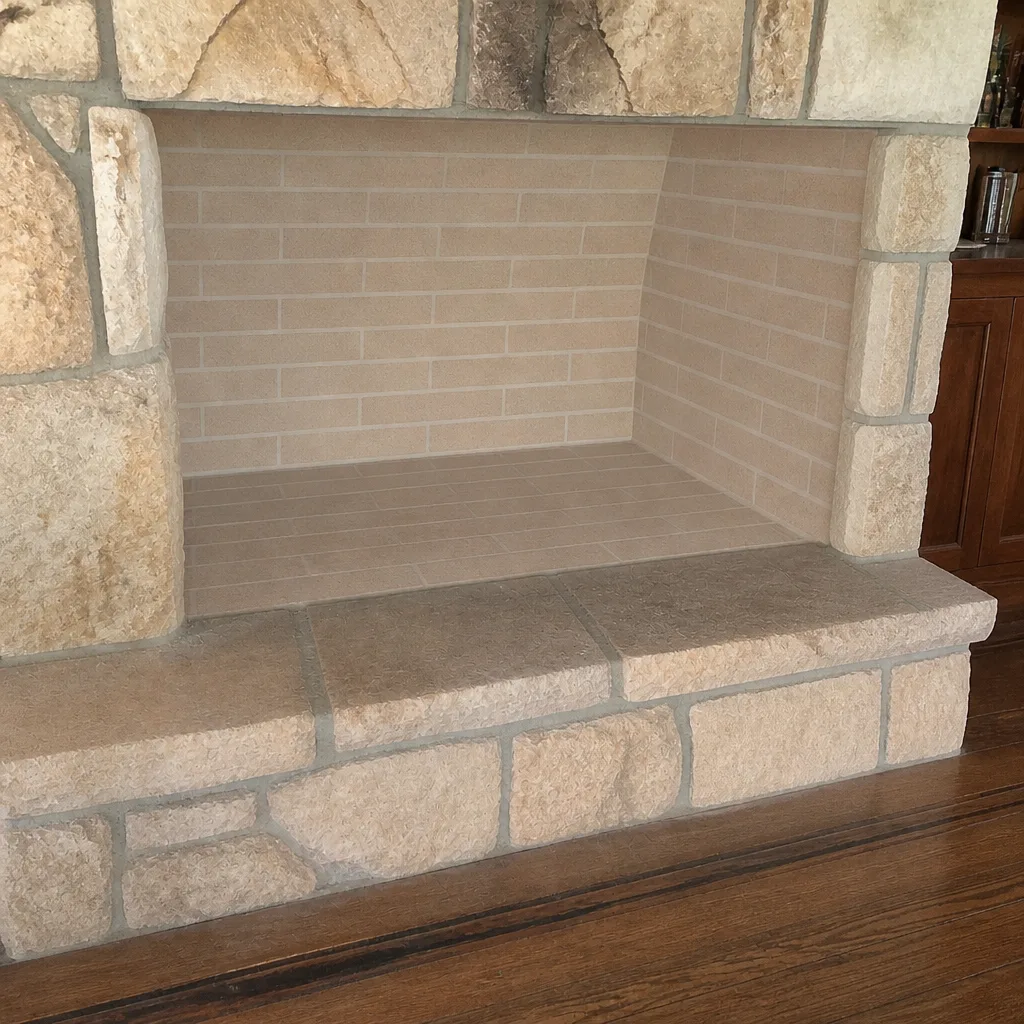
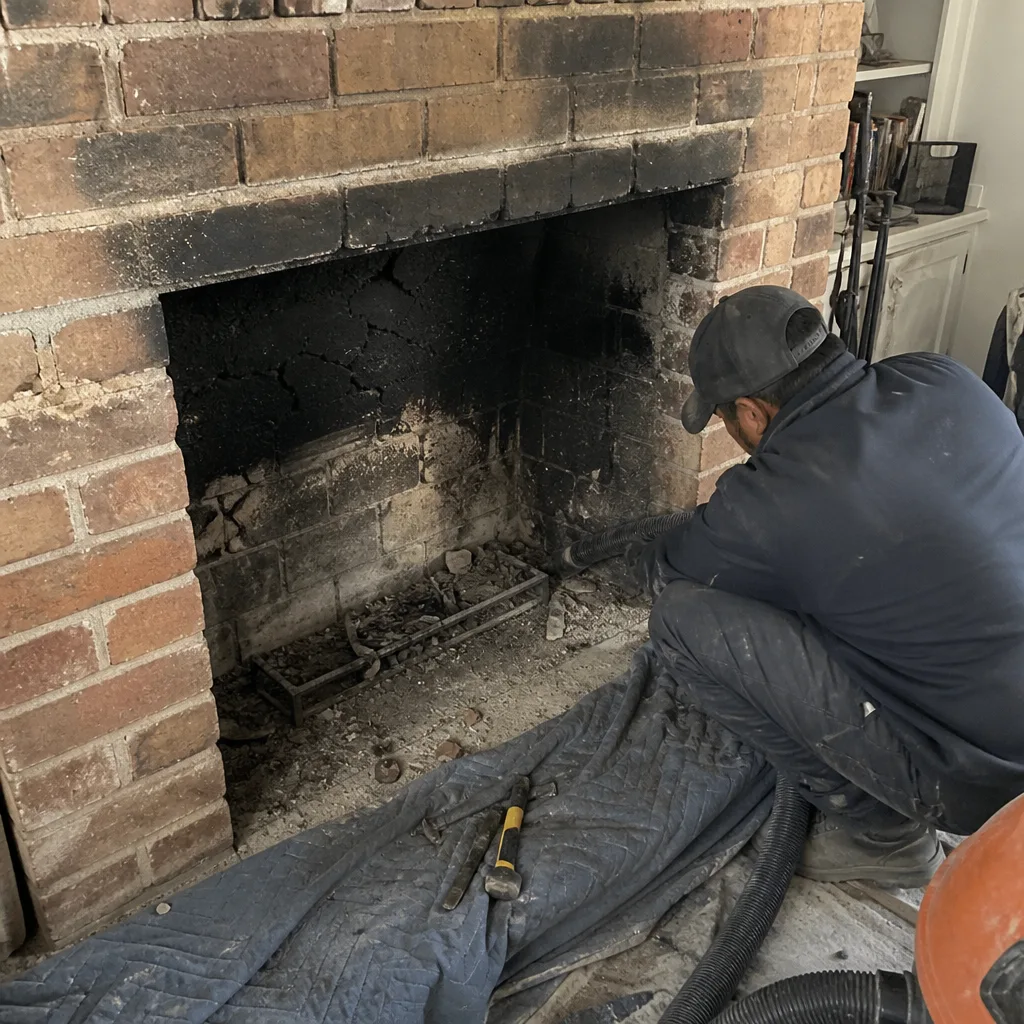
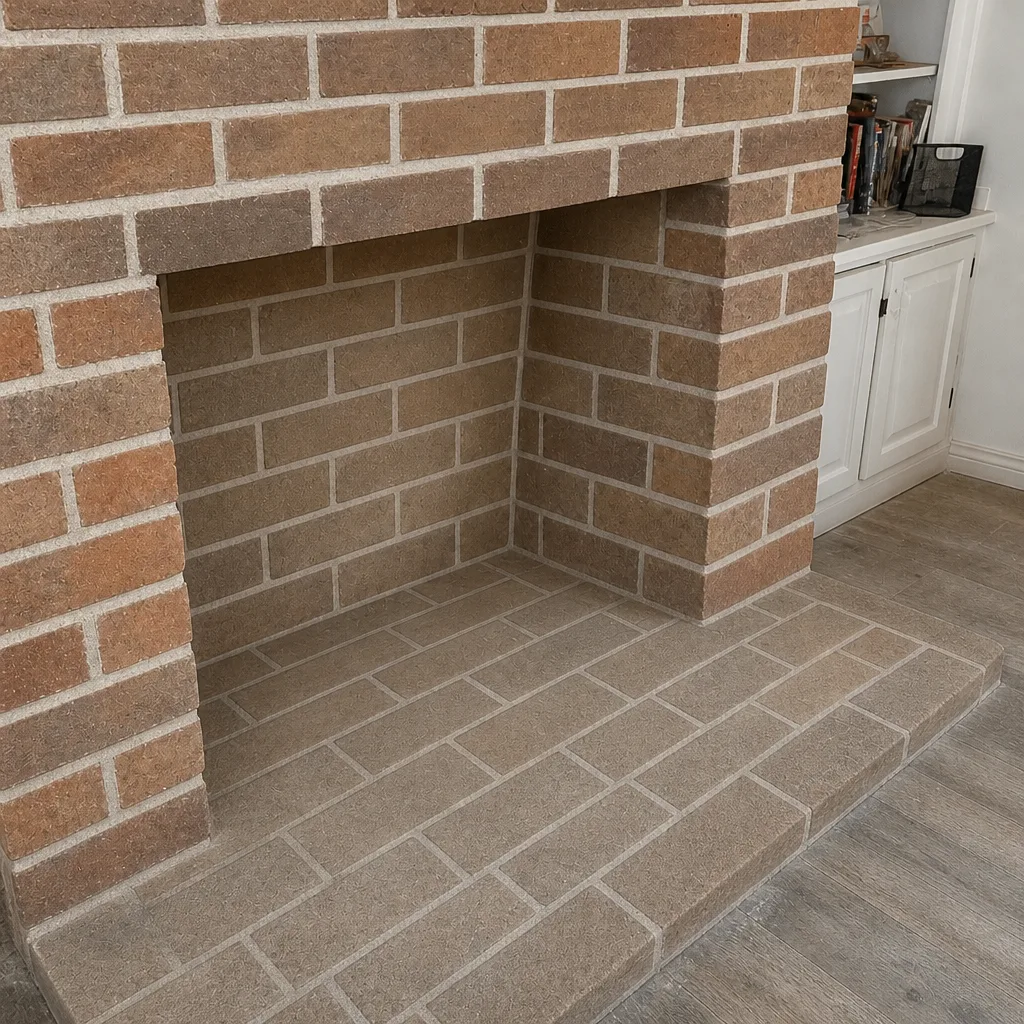
See the difference
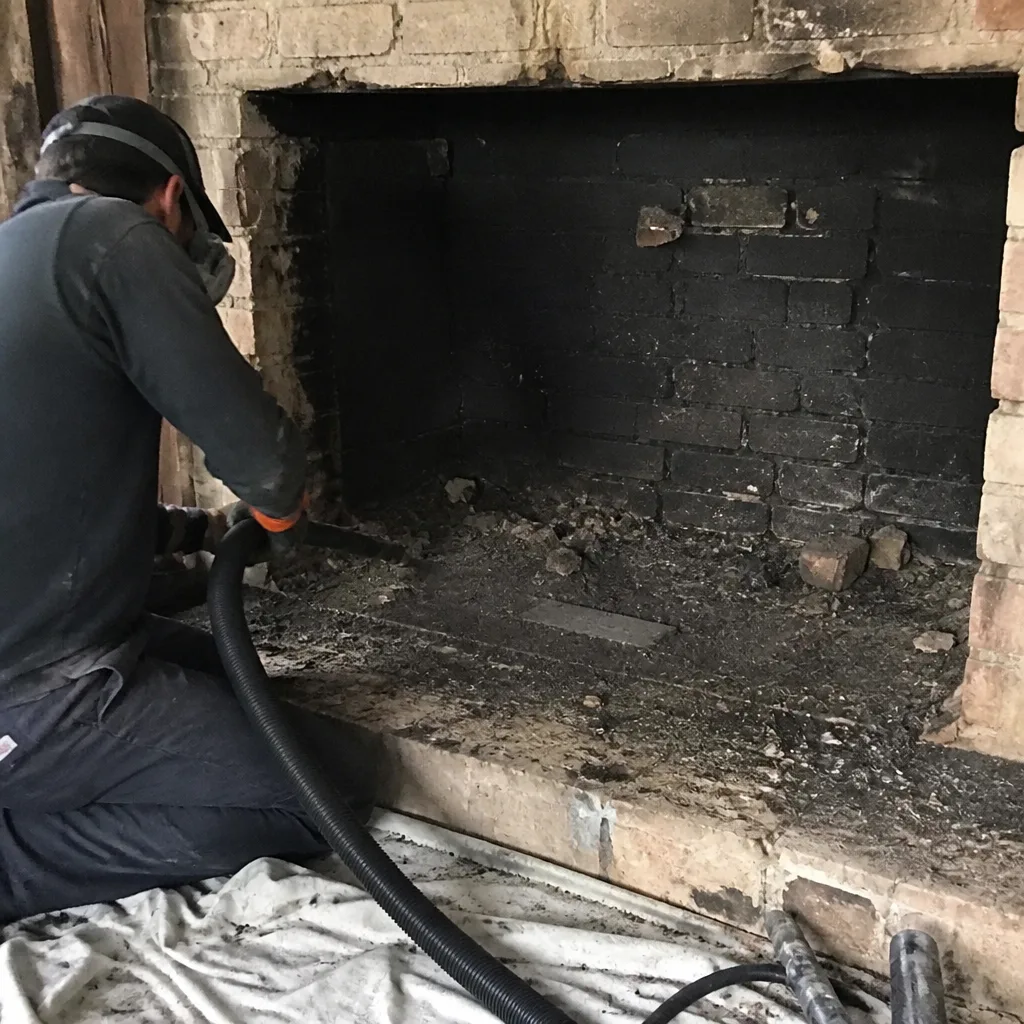 Before
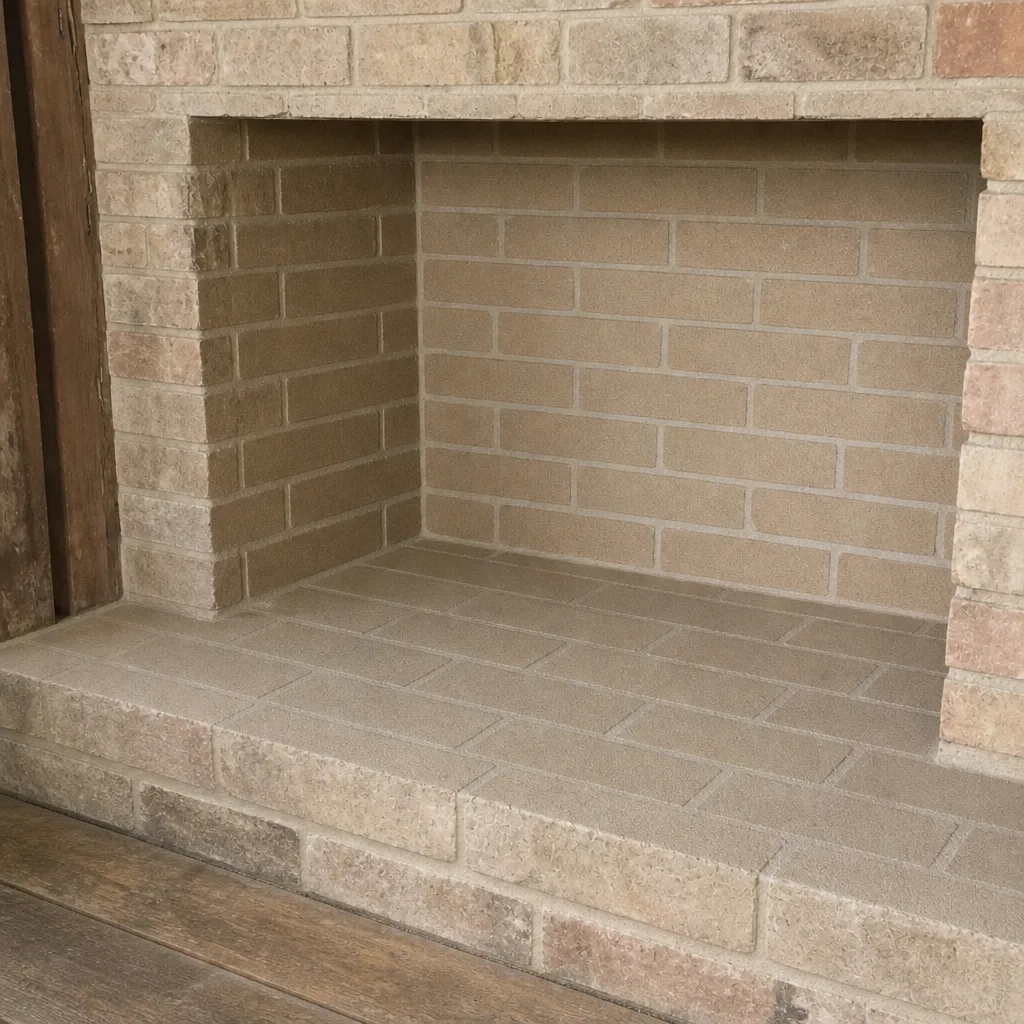 After
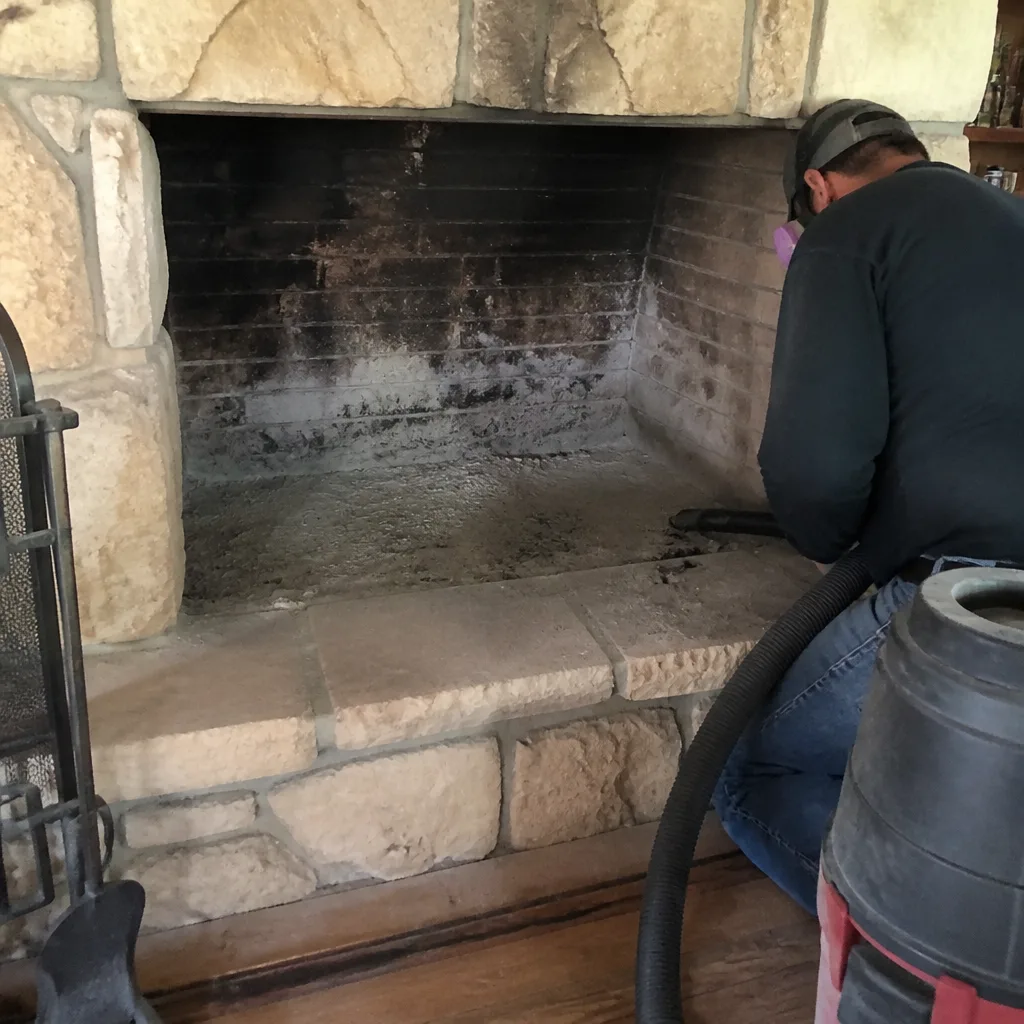 Before
 After
 Before
 After
When to Call a Professional
Some chimney issues are visible from the ground and some are not, but the situations below are the ones where a trained contractor with professional-grade materials makes a real difference. Call us if you’re buying a home with an older chimney and want the material recommendations spelled out before closing. Call if you’ve had a chimney fire, even a small one, because the flue tile can crack without any visible sign from the firebox. Call if you’re seeing water stains on the ceiling near the chimney, efflorescence on the exterior masonry, or rust on the firebox components. Call if your dryer takes two cycles to dry a load or if you can’t remember the last time the vent was cleaned. Call if a previous contractor told you that you need a full reline and you have no way to verify it; we’ll show you the camera evidence and tell you plainly if the work can wait.
El Paso Chimney Sweep offers free estimates in El Paso. Call (888) 849-7238. We repair what we find, no second contractor needed, and the standard we hold ourselves to is simple: clean flue, sound liner, clear vent.
Frequently Asked Questions
For some tasks, generic materials are fine, but for anything involving the flue, the crown, or the smoke chamber, the brand is your proof of UL listing and ASTM compliance. Professional-grade products from suppliers like HeatShield, DuraFlex, and Gelco are formulated and tested for the specific thermal, moisture, and UV conditions a chimney lives in. Hardware-store sealants and mortars aren’t. They aren’t rated for the application, and they fail faster for that reason. Call (888) 849-7238 for an exact quote; estimates are free.
Ask for the product information in the written estimate, and ask to see the packaging on the day of the job. Legitimate professional-grade products come in labeled packaging with listing numbers on them. If you’re not comfortable asking, that itself is a signal. A good contractor will offer the information without being pushed. Call (888) 849-7238 if you’d like to talk through what a written material list should include for your chimney.
UL listing means the product has been tested by Underwriters Laboratories to a defined safety standard for its application, and it’s listed as meeting that standard. ASTM compliance means the product meets a published material specification from ASTM International. Some chimney products carry both, some carry one. What matters is that the product is listed for the application it’s being installed in, particularly for liners and venting components. Both are verifiable on the product’s spec sheet, and both carry weight if a repair ever gets questioned after a fire. Call (888) 849-7238 to schedule a free estimate.
Yes, and specifically because of thermal cycling, monsoon rain, and UV exposure. The wide day-to-night temperature swings combined with intense sun and sudden summer storms stress chimneys in ways that milder climates don’t. Materials that perform well in a wet, cold climate often fail here if they aren’t flexible enough or UV-stable. We select materials with this in mind, and so should any contractor working in El Paso. Call (888) 849-7238 to schedule an inspection.
One company can and should handle both. It’s a mistake to split diagnosis and correction between two contractors, because the second one ends up re-diagnosing what the first one already found, and you pay for that duplication. At El Paso Chimney Sweep we do the sweep, we do the repair, and we do dryer vent cleaning as a named service. We repair what we find, no second contractor needed. Call (888) 849-7238 for an exact quote; estimates are free.
Creosote accumulates on the flue walls every time you burn, and once it reaches a certain thickness it can ignite. A chimney fire can crack the flue tile, and a cracked flue tile lets heat and gases reach the surrounding structure. If that’s masonry-embedded, that’s where a house fire starts. Skipping a year isn’t automatically dangerous, but skipping several years without knowing the condition of your flue is a risk you’re carrying without information. A professional El Paso chimney sweep comes with a camera and a clear report, and it’s a reason to call now rather than wait. Call (888) 849-7238 for an exact quote; estimates are free.
The Bottom Line
The brand on the product inside your chimney is the single best predictor of how long the repair will last. Professional-grade materials from suppliers like HeatShield, DuraFlex, Gelco, Olympia Chimney, Famco, and Copperfield are UL listed, ASTM compliant, and formulated for the thermal, moisture, and UV conditions a chimney in El Paso actually faces. The brand also tells you how the contractor was trained: professional-grade products require proper prep and application technique, and companies that work with them consistently have the training to do the work right. Ask what brand they’re using, ask for the listing, ask how it fits your chimney. A good contractor will answer in specifics. That’s the way to protect both your home and your investment in the long run.
Call (888) 849-7238. We answer 24/7. Fast dispatch from 7am to 7pm, Sunday through Friday. Estimates are free.
Written by the team at El Paso Chimney Sweep.