
Last updated November 14, 2026
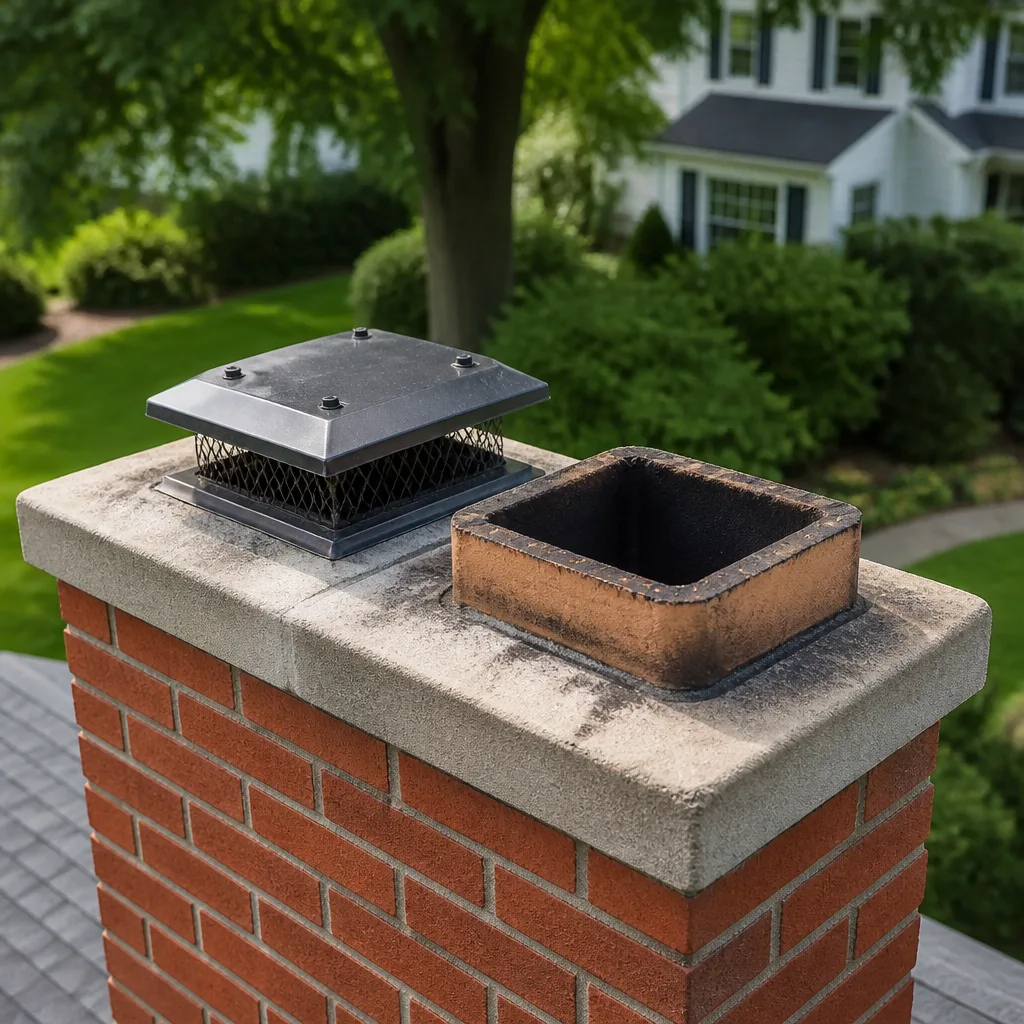 Sweep & inspection
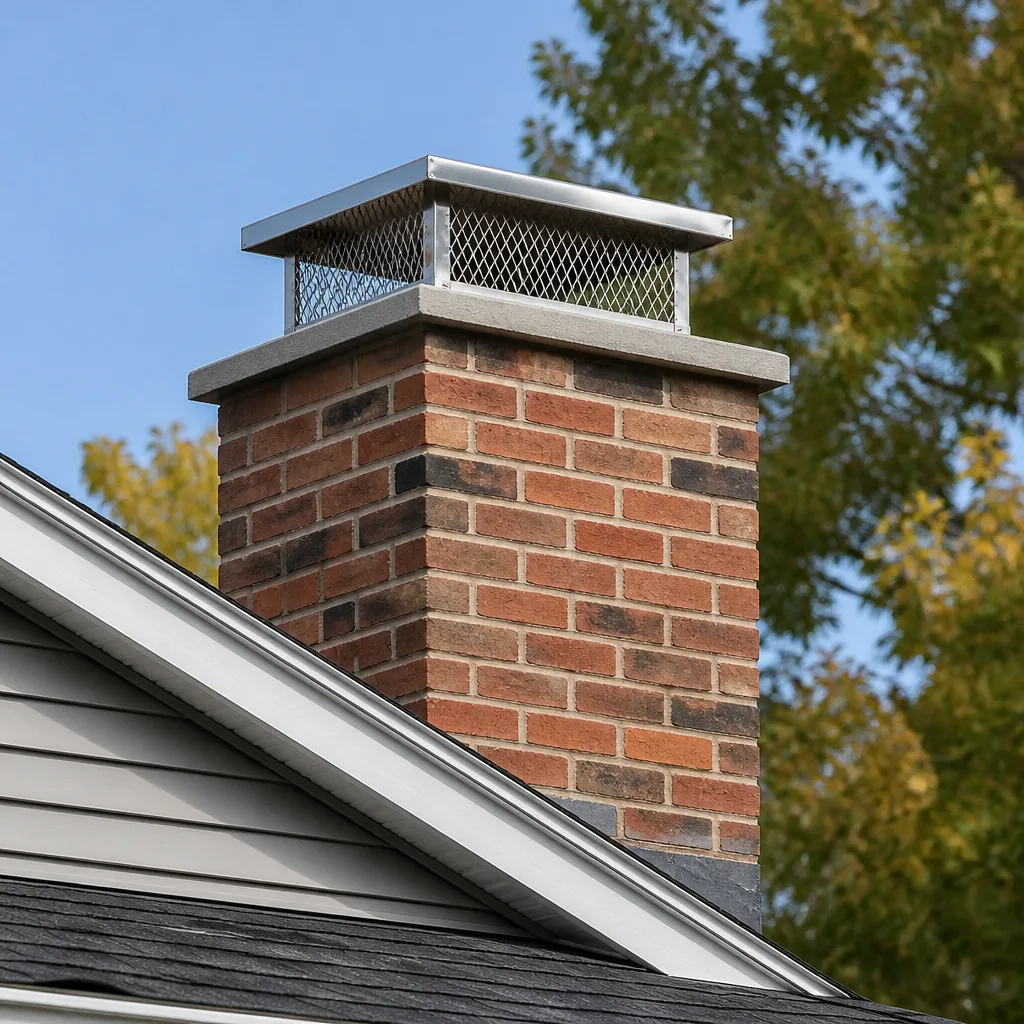 Caps & crowns
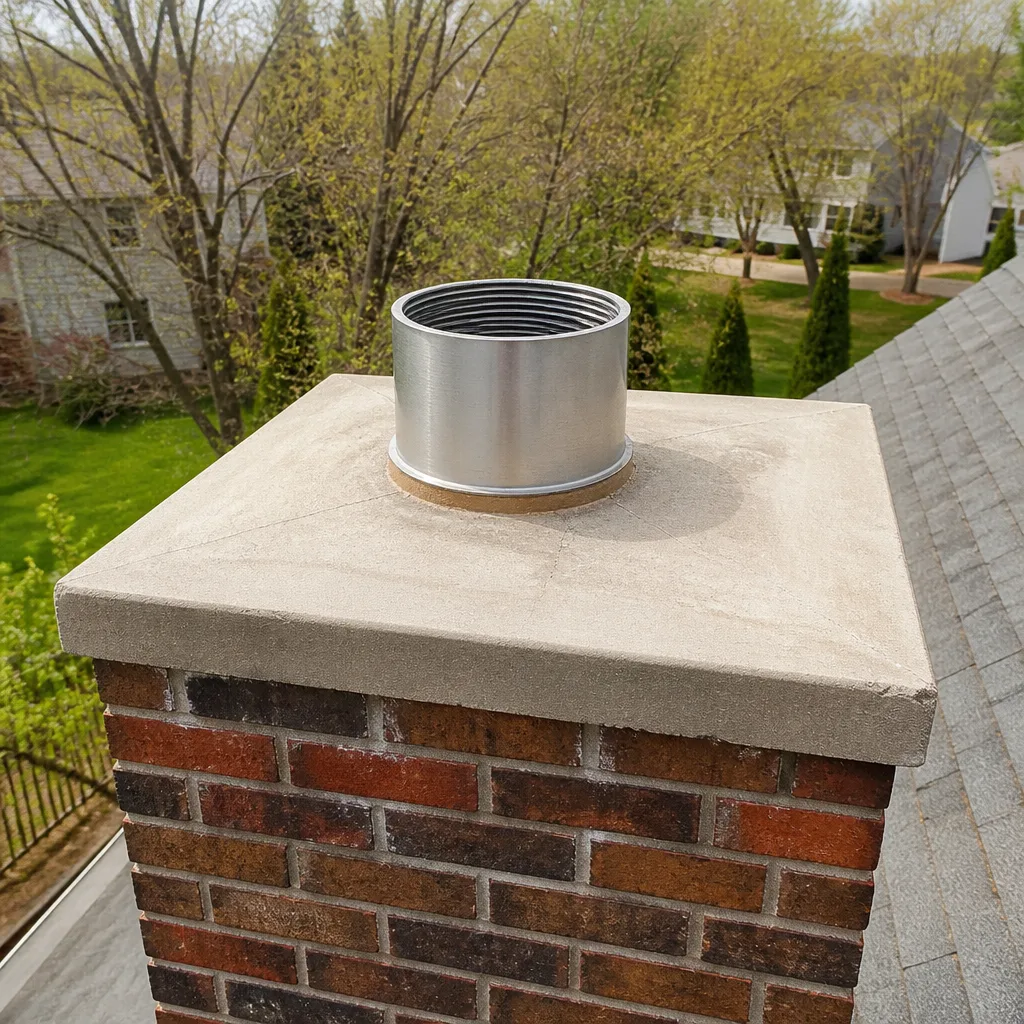 Flue relining
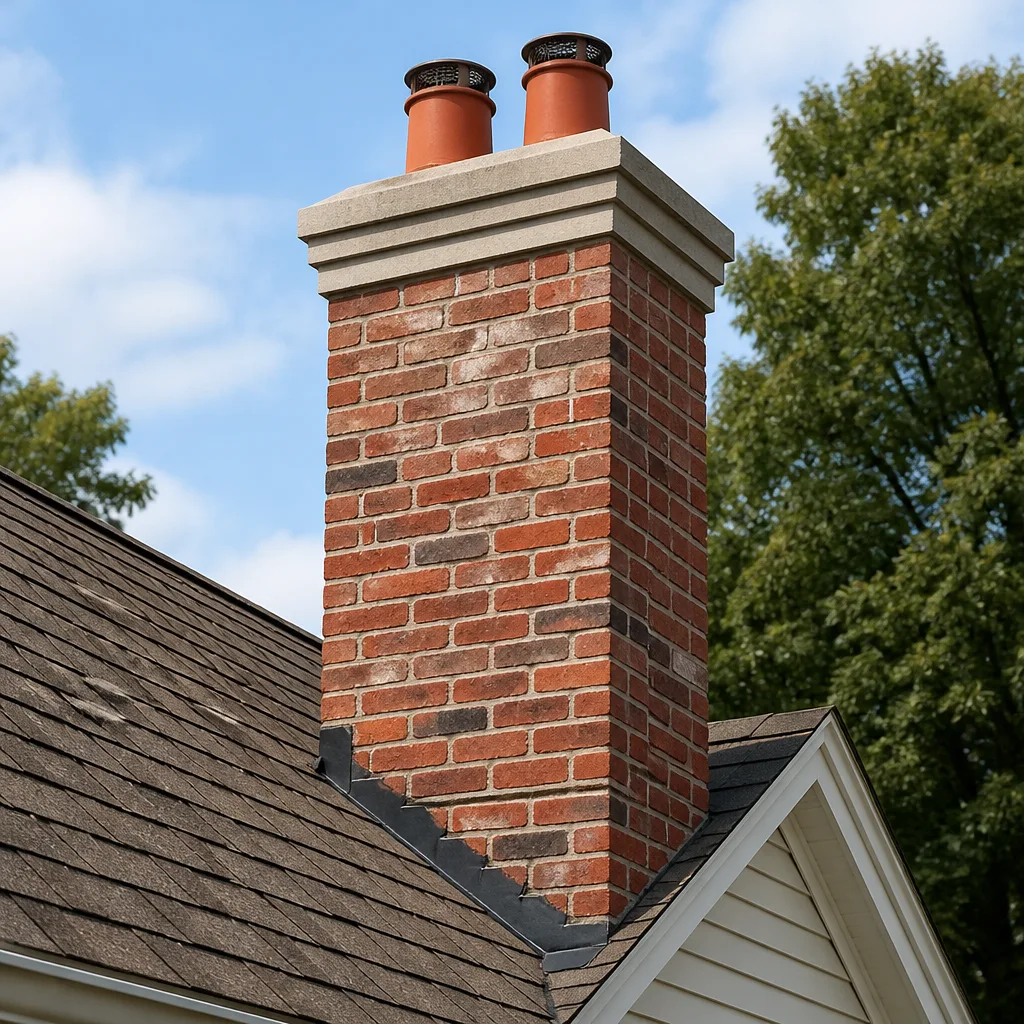 Masonry repair
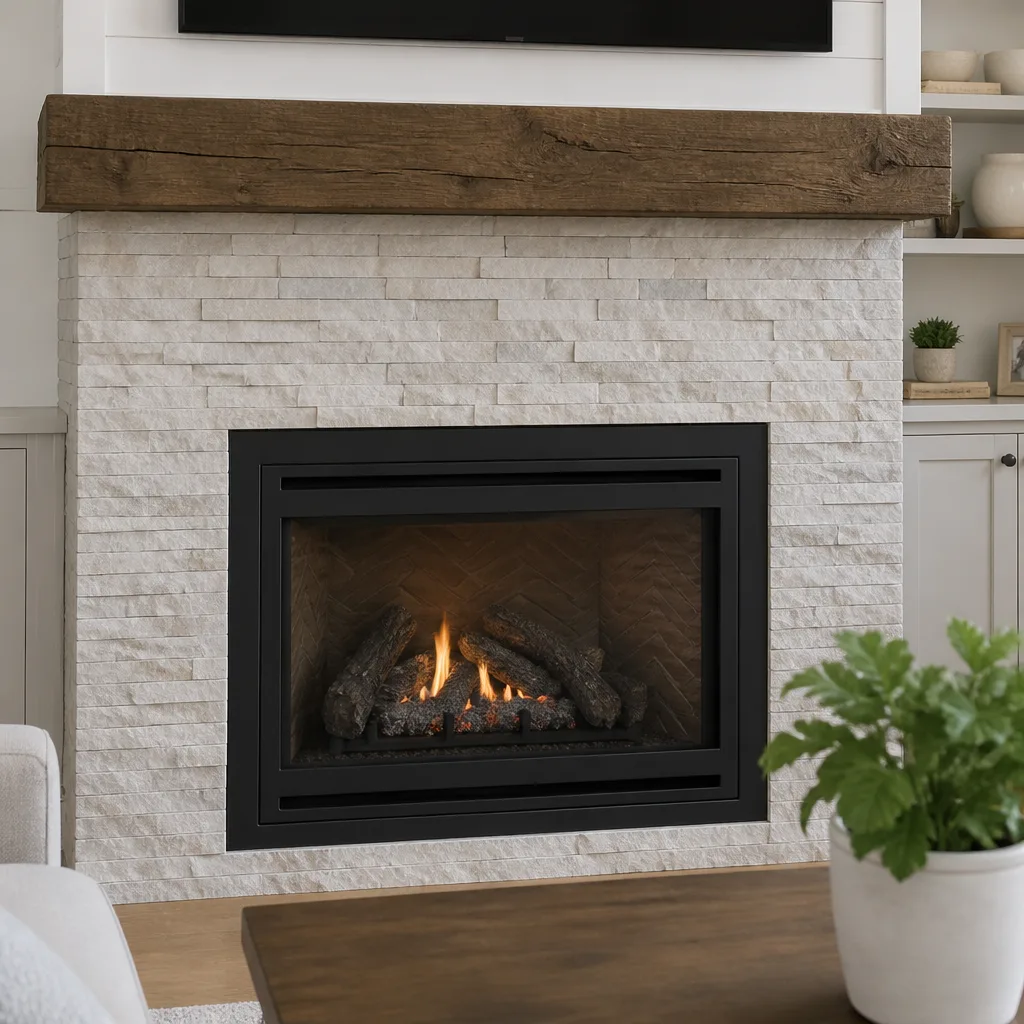 Gas fireplace service
Level 1 sweep and inspection to the NFPA 211 annual standard - flue, crown, cap, and flashing checked and photographed
Chimney sweep logs do not sweep chimneys. They loosen some creosote - which then falls where a brush and vacuum still have to collect it.
DIY vs Professional Chimney Cleaning: The El Paso Homeowner’s Decision Guide
Brush kits sold at hardware stores are designed for chimney cleaning. That much is true. But they’re engineered to remove loose soot, not to tell you that the clay tile liner behind the soot has a hairline crack that’s been leaking combustion gases into your wall cavity for two years. The soot comes off either way. The crack stays. That gap between “clean” and “safe” is what this guide is about. We’ll walk through which chimney tasks a homeowner can reasonably handle, which ones look simple from the outside but aren’t, and where the real line sits for anyone heating with wood in El Paso.
Quick Answer
Most homeowners can safely handle exterior visual checks, cap inspections, and ash removal. What they can’t do is assess the flue liner, evaluate the smoke chamber, or verify gas appliance venting, and those are exactly the tasks that catch the problems a brush never touches. For the annual sweep and inspection itself, a professional with camera equipment is the right call. In short: DIY the visible maintenance, hire out the diagnostic work.
Styles & brands we work with
- Sweep & inspection
- Caps & crowns
- Flue relining
- Masonry repair
- Gas fireplace service
Table of Contents
- The Real Question: Capability, Not Cost
- What DIY Chimney Maintenance Is Genuinely Safe
- What Looks DIY-Able But Isn’t
- The Tools That Separate a Professional Sweep From a Brush Kit
- El Paso-Specific Risk: Bird Nests and Federal Protection
- How a Failed DIY Attempt Complicates Professional Repair
- Why El Paso’s Climate Changes the Chimney Equation
- Common Mistakes to Avoid
- When to Call a Professional
- Frequently Asked Questions
The Real Question: Capability, Not Cost
Most articles about DIY chimney cleaning frame it as a money question. Can you save a few hundred dollars by doing it yourself? That framing misses the point. The annual sweep is not where homeowners get hurt or where houses catch fire. The problems come from the things a homeowner cannot see, back in the flue and the smoke chamber, where a brush passes through but doesn’t evaluate anything.
Chimney fires happen when creosote builds up in the flue and ignites. Carbon monoxide problems happen when a liner cracks or a vent connection fails and combustion gases end up in the living space instead of going up and out. Neither of those is a cleaning failure. They’re inspection failures. A brush kit doesn’t inspect. It scrubs. Those are different jobs, and only one of them requires a trained eye.
That’s the line this guide draws. There are tasks around the chimney that are well within reach for a careful homeowner. There are also tasks that feel similar but carry real consequences if they go wrong. Sorting them out task by task rather than deciding “DIY or not” as a blanket choice is how you actually stay safe and avoid unnecessary spending.
If you heat with wood in El Paso, you’re running a combustion appliance inside a structure. That appliance has a system attached to it: the firebox, the damper, the smoke chamber, the flue, the liner, the cap. Cleaning one part of that system while ignoring the rest is how small issues become expensive ones.
What DIY Chimney Maintenance Is Genuinely Safe
Some chimney tasks are reasonable for a homeowner with basic tools and reasonable caution. These are exterior, visible, and low-risk. None of them require climbing onto the roof or reaching into the flue, and none of them require specialized equipment. If you’re going to do anything yourself, this is the list.
- Cap inspection from the ground. Use binoculars or a phone camera with zoom to check that the chimney cap is intact, sitting flat, and not blocked by debris. A missing or damaged cap lets water, birds, and debris into the flue, so it’s worth checking after windy days in El Paso.
- Exterior visual walk-around. Look for loose mortar, spalling brick, rust stains on the exterior, or anything that looks out of line. Note what you see and mention it when you call a professional.
- Ash removal from the firebox. Once the firebox is stone cold, ash can be scooped out and disposed of safely. Keep a metal container with a lid nearby, and never put ash into a plastic bin.
- Damper operation check. Open and close the damper by hand to confirm it moves freely and seats properly. If it sticks or won’t fully close, that’s a repair item to flag.
- Creosote glance from the firebox. Shine a flashlight up from the firebox to check for visible buildup. If you see a thick, glossy, tar-like layer, stop there and call a professional. That’s stage-three creosote and it needs proper removal.
That’s the safe zone. Notice what’s missing: no roof access, no reaching up into the flue, no cleaning of the liner itself. Those tasks sit on the other side of the line, and for good reason.
What Looks DIY-Able But Isn’t
Here’s where the danger lives. These tasks look similar to the safe ones. From the firebox, a flue looks like a dark channel going up. From the outside, a chimney looks like a stack of brick. But the actual work inside those surfaces is diagnostic, and it requires both equipment and training the average homeowner doesn’t have.
- Flue liner assessment. A cracked clay tile liner can leak combustion gases into the surrounding masonry and, from there, into the house. Those cracks are often hairline and invisible from the firebox. Camera inspection is the only reliable way to find them.
- Smoke chamber evaluation. The smoke chamber sits between the firebox and the flue. It’s angled, irregular, and difficult to see without a camera. It’s also a common place for creosote to build up and for masonry to degrade. This is beyond the scope of any homeowner tool.
- Gas appliance venting verification. If you have a gas insert or a gas-fired appliance tied into the chimney, the venting has to be checked for correct draft, correct connection, and no backdraft. A wrong connection here can produce carbon monoxide in the home. This is not a visual check.
- Draft and pressure testing. Verifying that the chimney is drawing properly requires testing under actual fire conditions. It cannot be done with the fire off, and it cannot be done with a flashlight.
- Creosote removal beyond stage one. Stage-two and stage-three creosote need rotary tools and proper containment. Trying to scrape it with a hand brush can compact it and make matters worse.
Notice that the tasks on this list all require either a camera or a pressure reading. That’s the pattern. Anything that requires seeing inside the flue, seeing around the smoke chamber, or testing draft is professional territory. Anything that can be assessed from the firebox or the ground is not.
The Tools That Separate a Professional Sweep From a Brush Kit
Hardware-store brush kits do one thing: they remove loose soot and stage-one creosote from a flue. The kits are honestly designed for that, and they do it reasonably well. But a professional chimney sweep in El Paso brings more than a better brush. The cleaning tool is the least interesting part of the equipment. The diagnostic tools do the real work.
Here’s what separates the two:
- Closed-circuit inspection cameras. A camera on a flexible rod goes up the flue and shows the technician exactly what’s happening on the inside surface. Cracks, gaps, spalling, and joint failures all show up on the monitor. A brush kit has no equivalent.
- Rotary sweeping tools. Professional rotary systems use spinning heads that ride the flue walls and remove stage-two and stage-three creosote. Consumer brushes are hand-pushed and cannot remove solidified creosote.
- Draft gauges and smoke testers. These verify that the appliance is drawing properly and that combustion gases are going where they should. A homeowner has no way to measure this.
- Containment equipment. Professional sweeps use drop cloths and vacuums with HEPA filtration so soot doesn’t end up on your furniture. A brush kit in a living room typically leaves a fine black film on everything.
- Resurfacing materials. Some chimneys need flue resurfacing to seal cracks before they become structural failures. HeatShield resurfacing products are applied by trained technicians and are not consumer products.
- Liner and cap components. When the inspection finds a failed liner or a damaged cap, we’re able to source professional-grade replacement components from brands like DuraFlex, Olympia Chimney, and Gelco. That means the repair can be handled by the same company that swept the flue.
The bottom line: a brush is a cleaning tool. A professional sweep brings a cleaning tool plus a diagnostic kit plus the ability to fix what the diagnostic kit finds. That combination is what you’re paying for.
El Paso-Specific Risk: Bird Nests and Federal Protection
Chimneys in El Paso get used as nesting sites more often than homeowners expect. A chimney with a missing or damaged cap becomes an attractive cavity for birds, and the nests they build block the flue. A blocked flue is a carbon monoxide problem first and a smoke problem second.
The DIY instinct here is usually to get on the roof and pull the nest out. That instinct runs into a legal wall. The federal Migratory Bird Treaty Act protects most of the birds that nest in residential chimneys, including several species common in the El Paso area. That means you cannot legally remove an active nest. It also means breaking eggs or disturbing chicks is a federal violation regardless of intent.
What this means practically:
- If a bird is actively nesting in the chimney, the correct move is to leave the nest alone until the birds have fledged, then have the chimney swept and capped before the next nesting season.
- If the nest is clearly old and inactive, it still needs to be removed by a professional sweep. Nests compact into the flue and combine with creosote in ways that hand tools can’t clear safely.
- Capping the chimney is the real solution. A properly fitted El Paso Chimney Sweep cap sourced from a brand like Gelco or Olympia Chimney keeps birds out going forward, so the problem doesn’t repeat.
This is one of the few areas of chimney work where a homeowner can get into real trouble by doing the “obvious” thing. The MBTA isn’t a technicality. If a nest is active and you pull it, you’re exposing yourself to federal penalties and harming wildlife in the process. Call a professional, let them assess the nest’s status, and plan the work around the nesting season if needed.
How a Failed DIY Attempt Complicates Professional Repair
When a homeowner has already attempted a repair or cleaning and it didn’t go well, the professional’s job changes. The technician isn’t just looking at the original problem anymore. They’re looking at the original problem plus whatever the DIY attempt did to it. That’s the scenario we run into most often, and it’s worth understanding before you pick up a brush kit.
Here’s what usually happens:
- A stuck brush or broken rod. A rod that separates in the flue leaves a brush wedged somewhere in the chimney. Removing it requires specialized retrieval tools and sometimes partial disassembly of the flue. That’s a bigger job than the original sweep would have been.
- Compacted creosote. Hand brushing dense creosote can compact it against the flue walls instead of removing it. Now the flue is partially blocked and the deposit is harder to remove than it was originally.
- Cracked liner from impact. A brush or rod that bangs into the flue walls with enough force can crack clay tiles. A liner that was intact before the DIY attempt now needs repair or replacement.
- Damaged caps and crowns. Homeowners climbing on roofs cause a surprising number of chipped crowns and dislodged caps. A damaged crown lets water into the masonry, and that’s a much bigger repair than a cleaning.
- Diagnostic confusion. When a homeowner has already “cleaned” the chimney, the technician has no baseline. Was that crack there before, or did it happen during the DIY attempt? What was the buildup level before? Those questions are easier to answer on an untouched system.
The lesson isn’t that homeowners are careless. It’s that the chimney is an unforgiving working environment, and a mistake that seems small at the time can cascade. A stuck brush can crack a liner. A cracked liner can leak carbon monoxide. That chain starts with a task that looked simple.
Why El Paso’s Climate Changes the Chimney Equation
El Paso’s climate is unusual for a chimney market, and it affects how these decisions play out. Winters here are mild. That sounds harmless, but it has a specific consequence for chimneys: mild winters encourage intermittent use. Homeowners light fires on cool evenings but not every day, and the fire often burns at lower intensity or gets shut down before it reaches full temperature.
That pattern is actually harder on a chimney than steady use. Low-intensity, intermittent fires produce more creosote than hot, sustained fires. The firebox never fully heats up, the flue stays cooler, and smoke lingers on the flue walls where it condenses. Over a season of on-and-off burning, that adds up. It also means homeowners sometimes skip the annual sweep because “we don’t use it that much,” when in fact that’s the usage pattern that needs inspection most.
El Paso’s dry, dusty air contributes another factor. Fine dust in the air settles in the flue and combines with creosote to form a harder deposit. It also finds its way into dryer vents, which is one reason dryer vent cleaning matters here as much as chimney sweeping does. Lint-plus-dust buildup in a dryer vent is one of the leading causes of residential house fires, and it’s a service most chimney companies don’t offer at all. We do, because the venting system and the chimney system fail in similar ways.
What does this mean for the DIY-vs-professional question? It means the “we barely use the fireplace” argument is worth re-examining. If your fire is intermittent, the flue is accumulating more creosote than you’d expect, and the annual inspection matters more than it would for a steady burner. Homeowners in El Paso who skip the sweep and rely on a brush kit alone tend to be the ones who find out the hard way that something was missed.
Common Mistakes to Avoid
- Assuming a brush kit equals a sweep. A brush kit removes loose soot. It doesn’t assess the liner, the smoke chamber, or the draft. Treat it as a maintenance tool, not a substitute for a professional sweep.
- Skipping the camera inspection to save money. The whole point of an inspection is to see what a brush can’t. If you skip the camera, you’re paying for cleaning without diagnosis, and diagnosis is where problems actually get caught.
- Pulling a bird nest without checking for active nesting. Federal MBTA protection applies to most chimney-nesting birds in the El Paso area. If a nest is active, the correct move is to wait and call a professional.
- Climbing on the roof without proper equipment. A lot of DIY chimney injuries happen when homeowners climb on roofs to reach the chimney. Ladder safety on a sloped roof isn’t a place to save a few hundred dollars.
- Burning green or treated wood. Green wood and treated wood both produce more creosote than seasoned firewood. If you’re already doing the maintenance yourself, at least burn dry, seasoned wood to reduce what you’re producing.
- Blaming the chimney for a draft problem. A weak draft can mean a flue problem, a blocked cap, or a pressure issue in the house itself. Homeowners often compound the problem by running a brush through the flue when the real issue is the smoke chamber or the venting configuration.
- Ignoring the dryer vent because you’re focused on the chimney. A home with a wood fireplace and a gas dryer has two venting systems that both need attention. A blocked dryer vent is one of the top fire risks in a house, and it’s easy to overlook when you’re already thinking about the chimney.
When to Call a Professional
Specific scenarios call for a professional sweep every time. If you’re seeing a thick, glossy layer of creosote in the flue, that’s stage-three and it requires rotary tooling. If anyone in the household has been getting headaches, nausea, or drowsiness when the fireplace or gas appliance is running, stop using it and call immediately; those are potential carbon monoxide symptoms. If the chimney has never been inspected since you moved in, book an inspection before the next season of use. If a bird nest is visible in the flue, leave it alone and let a professional handle it. If the cap or crown is damaged, that’s a repair, not a cleaning. And if you’ve already attempted a DIY sweep and something feels off, it’s worth getting it looked at before you use the chimney again.
While you’re at it, schedule a dryer vent cleaning if it’s been more than a year. Both systems are venting systems, and both benefit from the same inspection mindset.
El Paso Chimney Sweep offers free estimates in El Paso. Call (888) 849-7238. We answer 24/7. Fast dispatch from 7am to 7pm, Sunday through Friday.
Frequently Asked Questions
You can safely handle certain chimney maintenance tasks, including cap inspection from the ground, exterior visual checks, ash removal from a cold firebox, and damper operation checks. What you can’t safely handle is a full sweep and inspection, because those require a camera, draft testing, and training to interpret what’s found. The cleaning work isn’t the hard part; the diagnostic work is.
The brush kit itself is cheap, but the cost comparison isn’t fair unless you account for what a brush kit doesn’t do. A professional sweep includes a camera inspection, draft testing, and the ability to fix what’s found. If you’re comparing just the cleaning cost, DIY looks cheaper; if you’re comparing the inspection and the repair capability, professional is the more complete service. Call (888) 849-7238 for an exact estimate; estimates are free.
A brush removes loose soot and stage-one creosote from the flue. A professional sweep removes all stages of creosote, inspects the flue liner and smoke chamber with a camera, tests draft under actual fire conditions, and identifies repairs that need to be made. The professional sweep includes the brush work plus everything the brush can’t see.
Yes. The most common injuries to the chimney from DIY attempts are cracked flue tiles from impact, compacted creosote that’s harder to remove than it was originally, stuck or broken brushes, and damaged caps or crowns from roof access. Any of those can turn a routine cleaning into a repair job. It’s one reason we recommend leaving the flue itself to a professional.
Only if the nest is confirmed inactive. The federal Migratory Bird Treaty Act protects most birds that nest in residential chimneys, so removing an active nest, breaking eggs, or disturbing chicks is a federal violation. Have a professional assess whether the nest is active before any removal is attempted.
Annual inspection is the standard, even if the fireplace is used only occasionally. In fact, mild El Paso winters produce intermittent burning, and intermittent fires tend to produce more creosote accumulation than steady ones. If you burn regularly through the season or use a gas insert, the annual sweep is worth keeping on schedule. Call (888) 849-7238 to book yours.
The Bottom Line
The DIY versus professional decision isn’t a single choice. It’s a series of choices made task by task. Cap inspections, exterior checks, ash removal, and damper checks are safe for a careful homeowner. Liner assessment, smoke chamber evaluation, venting verification, and the sweep itself are not, because they require equipment and training the homeowner doesn’t have. The tools that catch fires and carbon monoxide problems are diagnostic, not cleaning, and that’s where the real dividing line sits. Handle the visible maintenance. Bring in a professional for the diagnostics. And in El Paso, remember that mild winters actually mean the chimney needs inspection more often, not less.
Clean flue. Sound liner. Clear vent. That’s the standard, whether the work is done by a homeowner or by us. If you’d rather not sort it out alone, El Paso Chimney Sweep can help. We’re equipped to sweep, inspect, and repair in one visit, and we source liner, cap, and resurfacing components from brands like HeatShield, Gelco, Olympia Chimney, and Famco so the repair uses professional-grade materials. Our technicians have up to 15 years of experience, and we work with your schedule.
Call (888) 849-7238 for a free estimate. We answer 24/7. Fast dispatch from 7am to 7pm, Sunday through Friday.
Written by the team at El Paso Chimney Sweep.
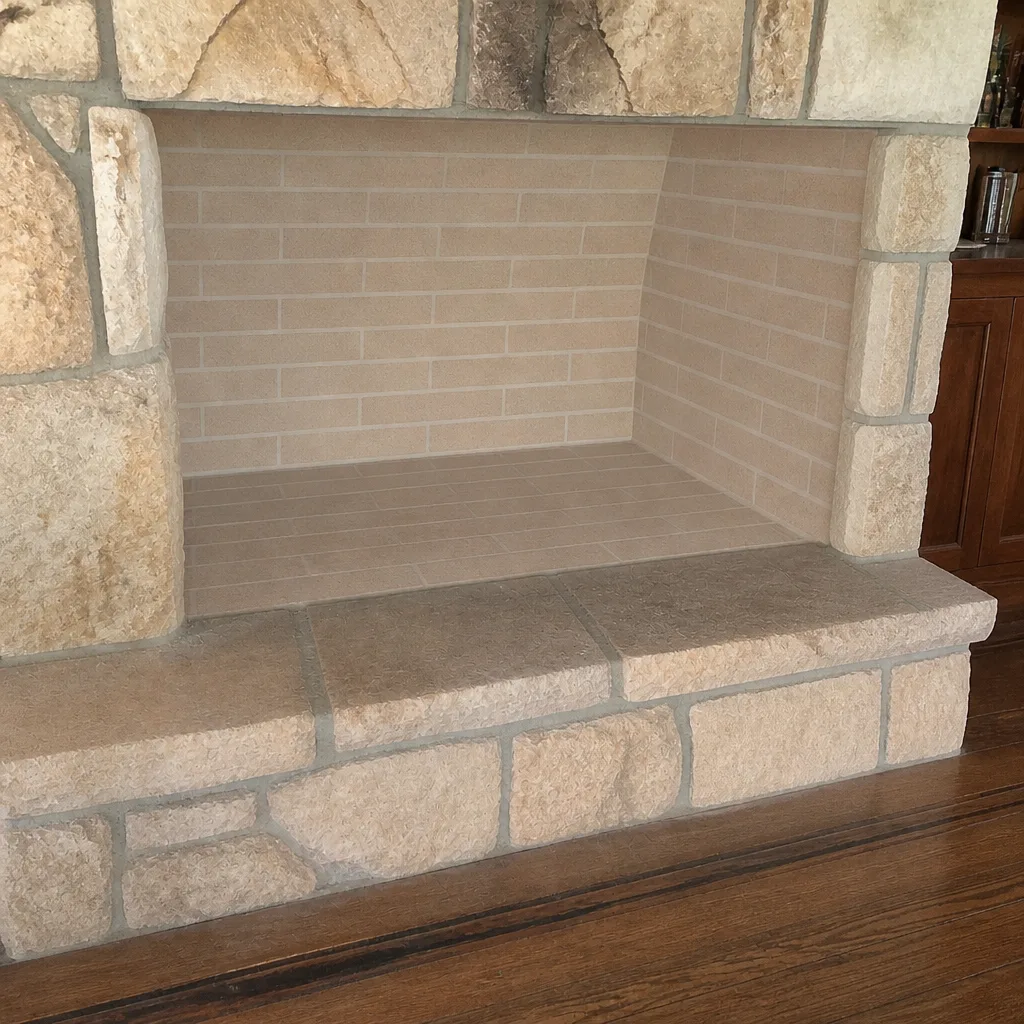
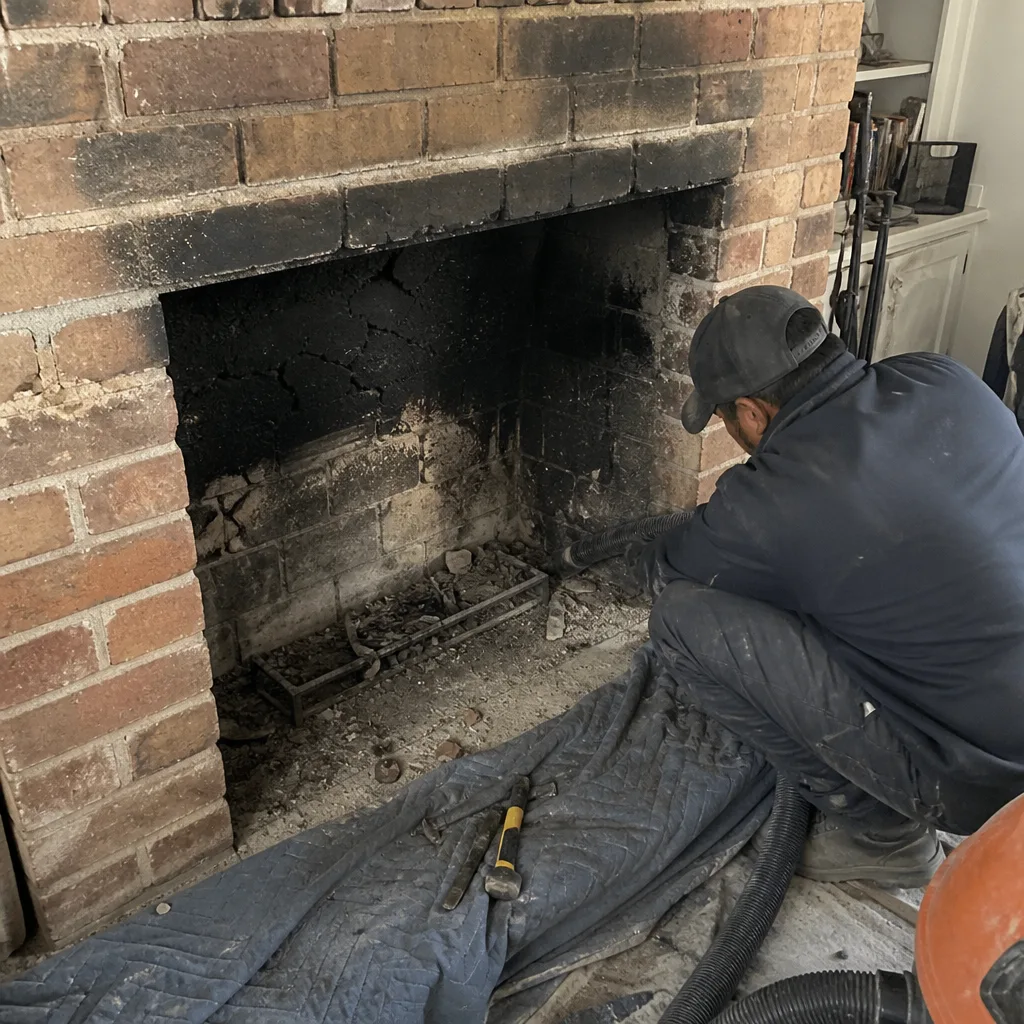
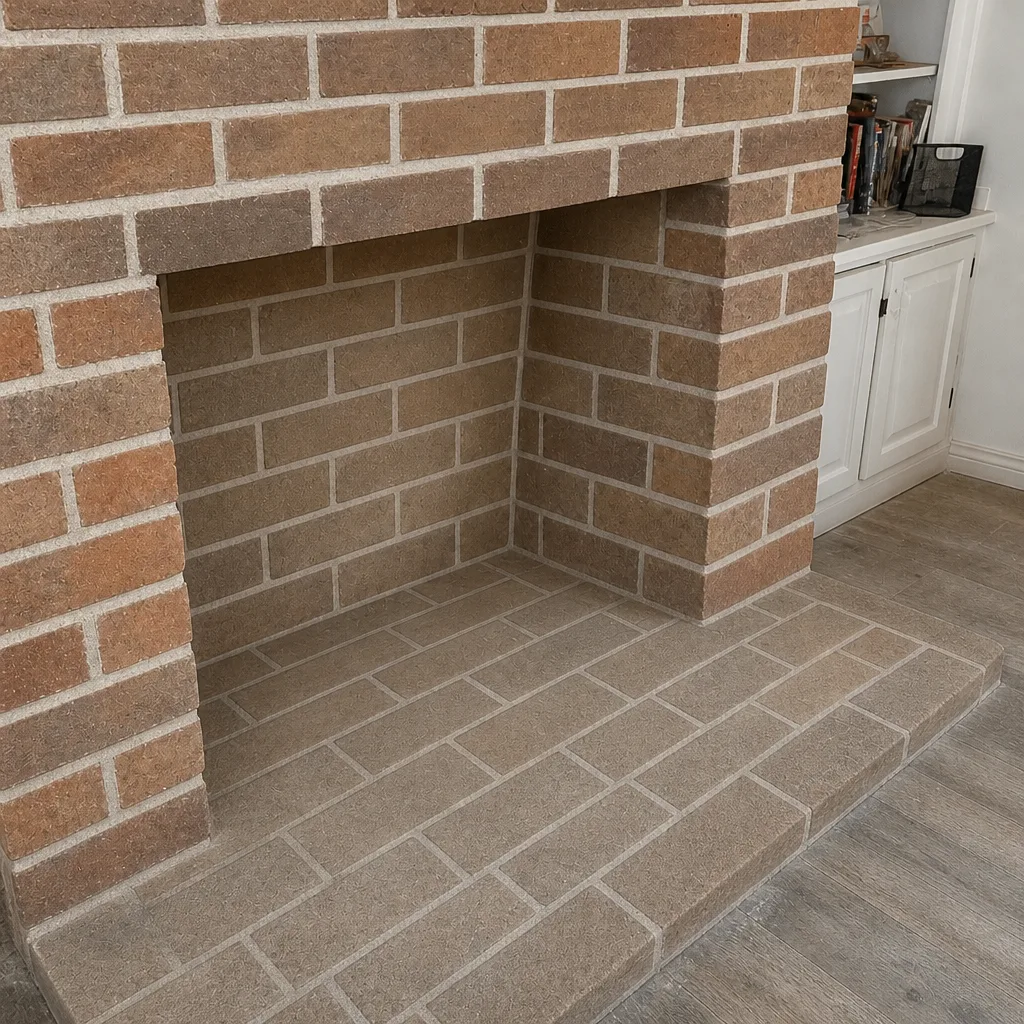
See the difference
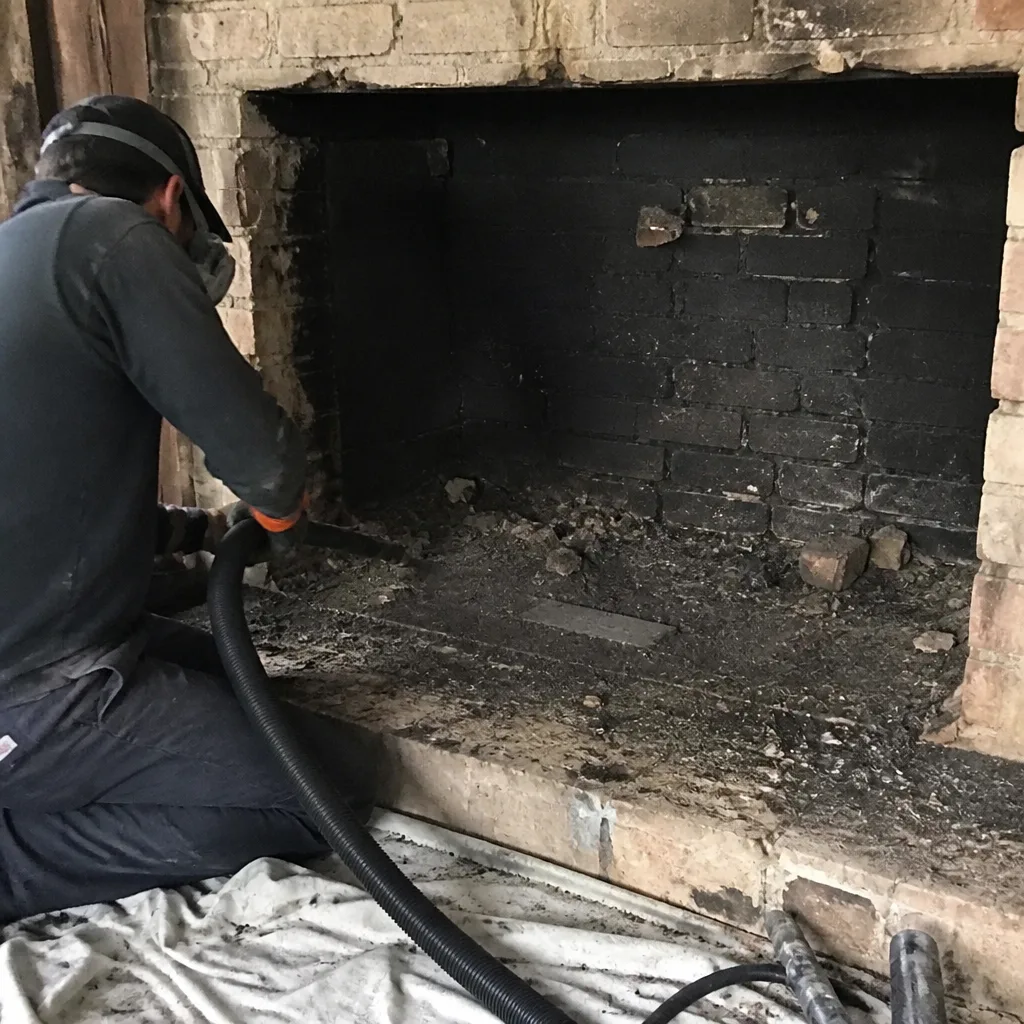 Before
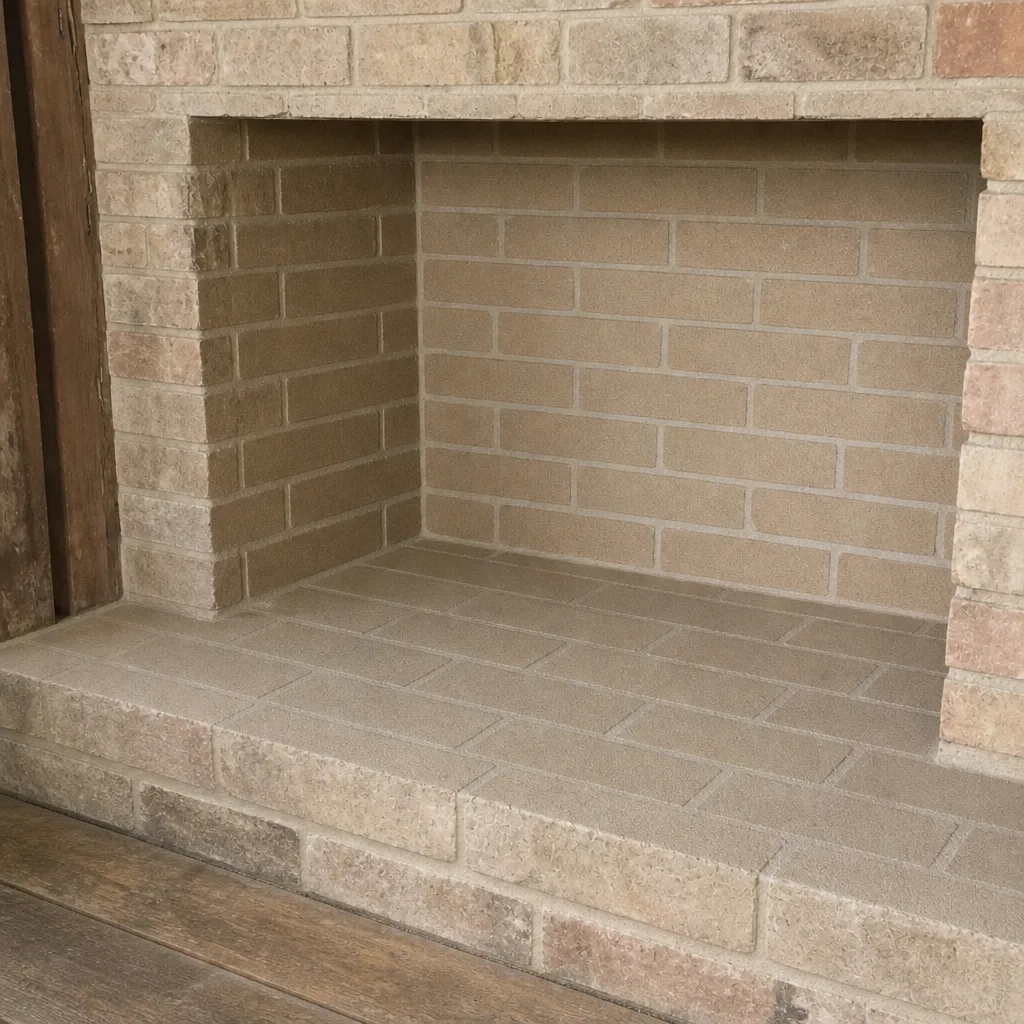 After
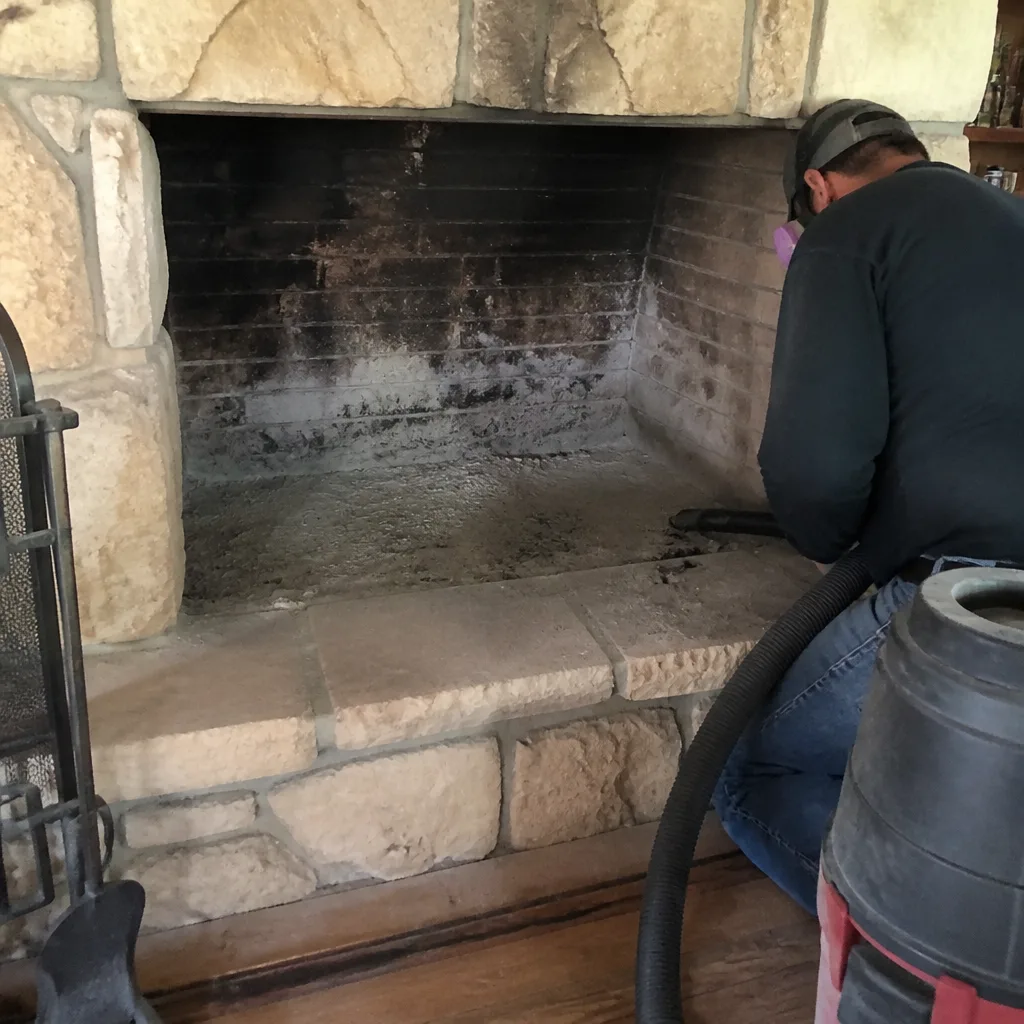 Before
 After
 Before
 After