
Last updated November 14, 2026
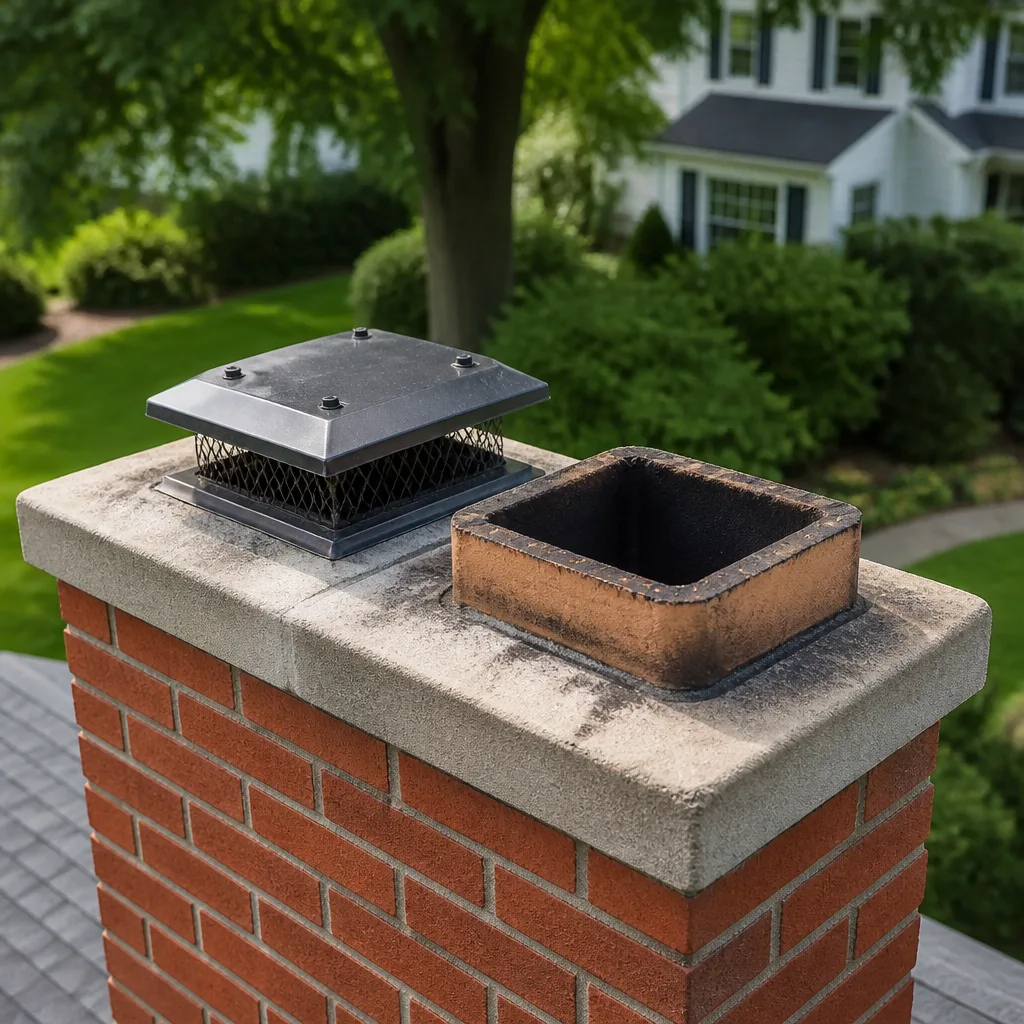 Sweep & inspection
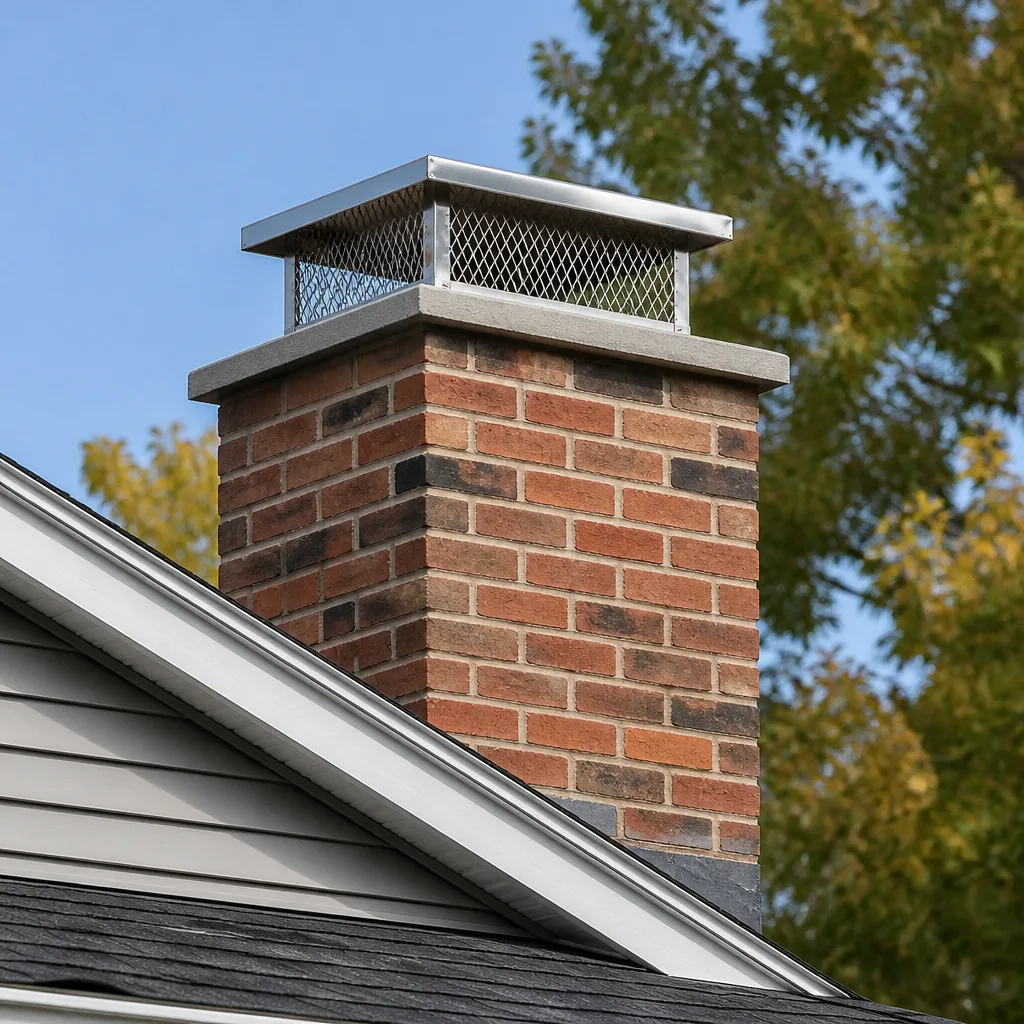 Caps & crowns
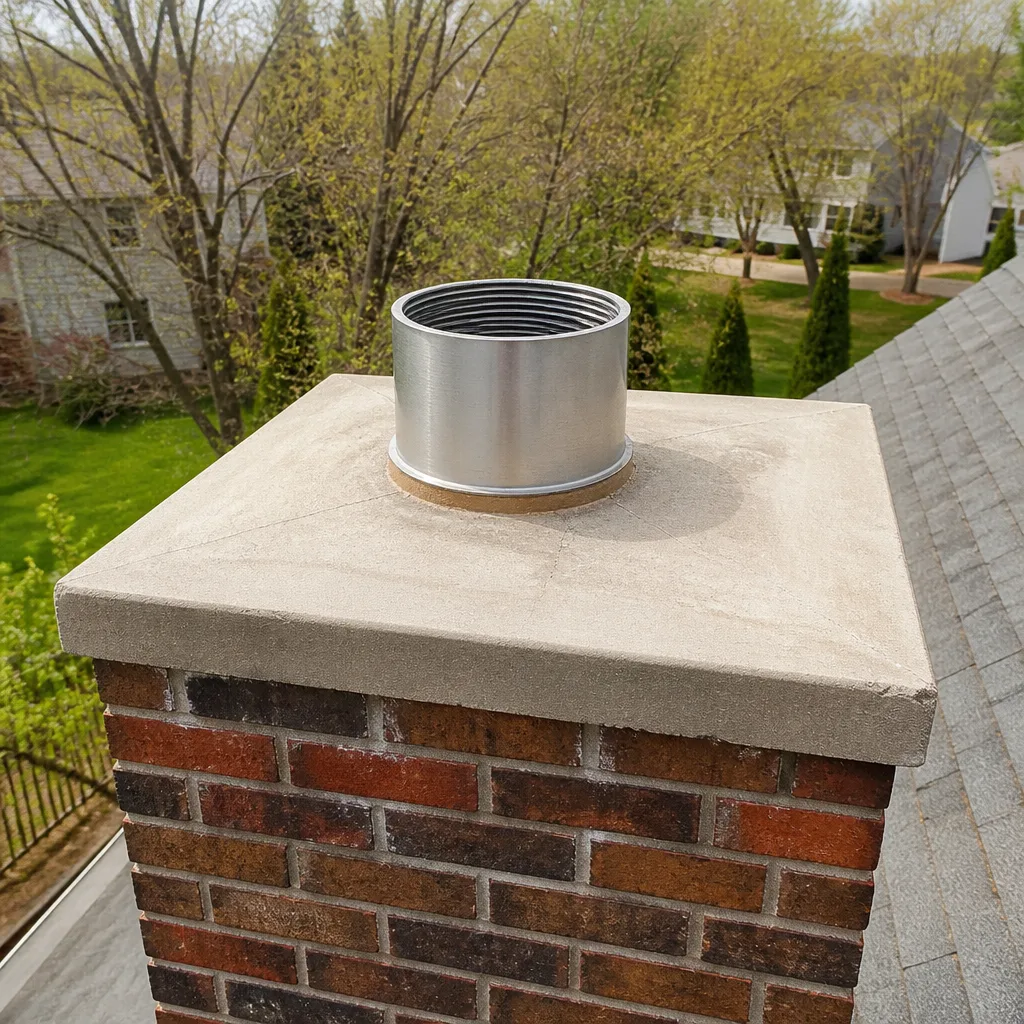 Flue relining
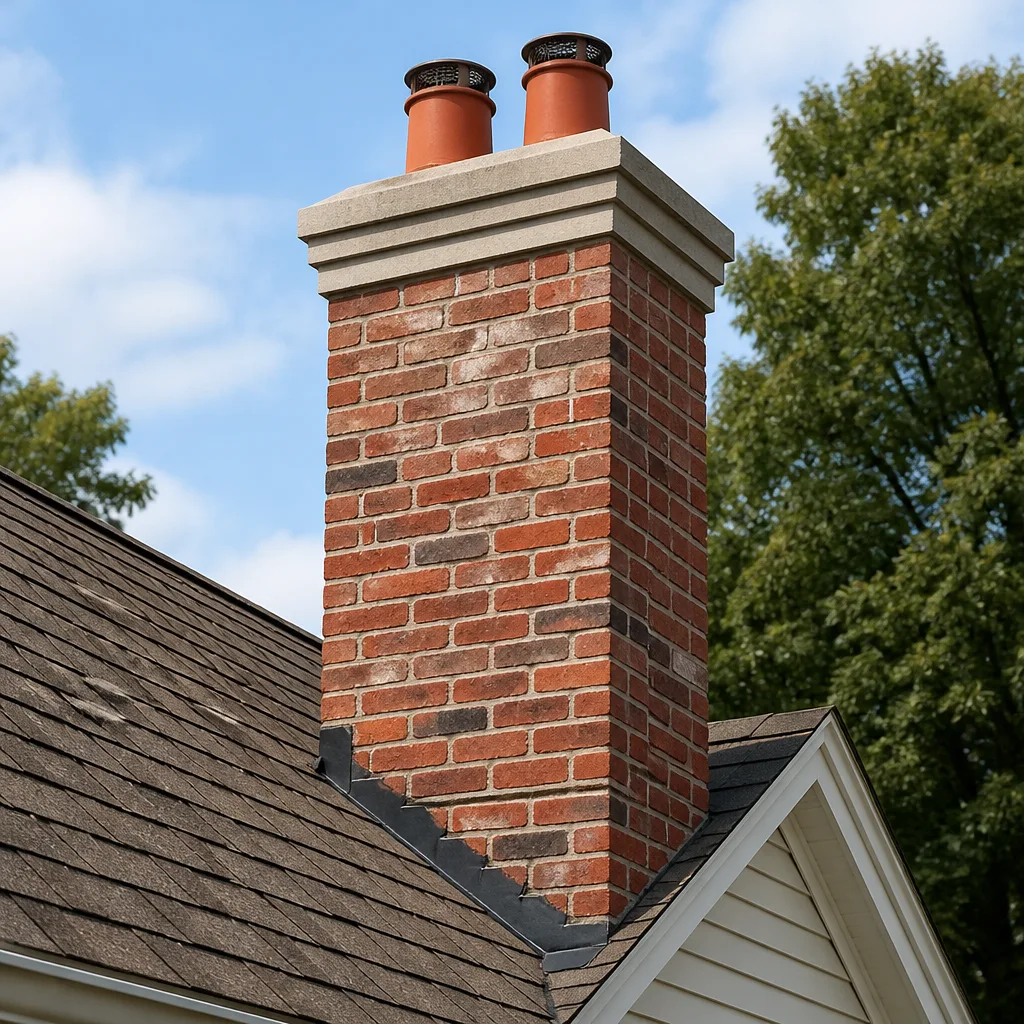 Masonry repair
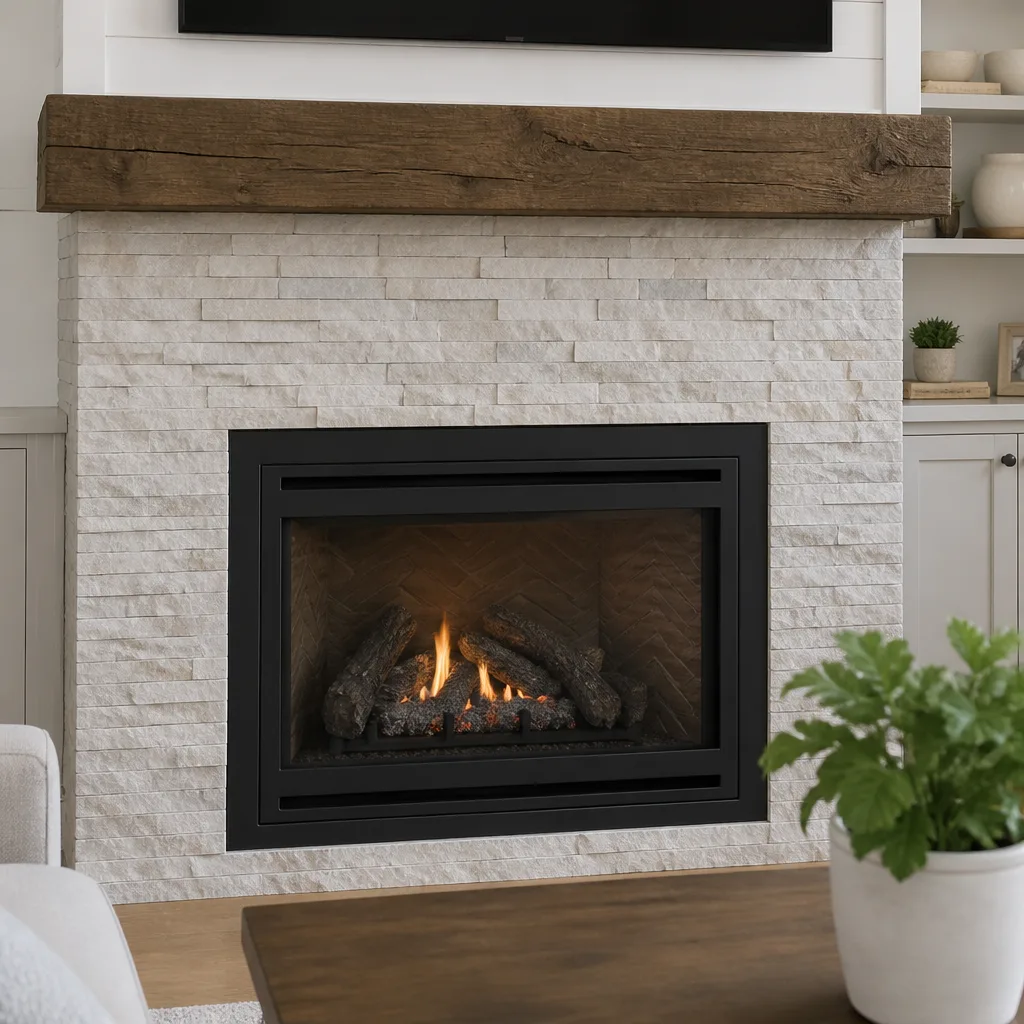 Gas fireplace service
Level 1 sweep and inspection to the NFPA 211 annual standard - flue, crown, cap, and flashing checked and photographed
Chimney sweep logs do not sweep chimneys. They loosen some creosote - which then falls where a brush and vacuum still have to collect it.
Seasonal Chimney Cleaning Care for El Paso: Year-Round Homeowner’s Guide
Most chimney-care advice you’ll find online was written for New England, not the desert Southwest. National guides tell you to book a sweep in October and forget the chimney until spring. That calendar misses the two moments when El Paso chimneys actually take the most punishment: the July-through-mid-September monsoon, and the sharp cold snap that arrives late in the fall. El Paso’s climate doesn’t punish a chimney with ice and snow. It punishes it with moisture followed by hard dry heat, and with a temperature swing that works on mortar and sealant every single day. This guide lays out a month-by-month care rhythm built around El Paso’s real weather, so you know when to look, when to sweep, and when to just leave the chimney alone.
Quick Answer
In El Paso, the most useful time to inspect and sweep a chimney is late September, right after monsoon season ends and well before the first fire. A second check works best in spring, once the burning season is over and before birds and pests start nesting. Sweeping itself is driven by how much you burn, not the calendar, but the inspection timing here is driven almost entirely by El Paso’s summer moisture and its late-fall cold snap. If you want an exact answer, call (888) 849-7238. We answer 24/7. Fast dispatch from 7am to 7pm, Sunday through Friday.
Styles & brands we work with
- Sweep & inspection
- Caps & crowns
- Flue relining
- Masonry repair
- Gas fireplace service
Table of Contents
- Why El Paso’s Chimney Calendar Doesn’t Match National Guides
- The Month-by-Month El Paso Chimney Care Calendar
- Why Summer Is When Your Chimney Takes the Most Damage
- The Fall Preparation Window (and Why Late October Is Often Too Late)
- Spring: What to Check After the Fireplace Season
- How El Paso’s Temperature Swings Wear Down Mortar and Sealant
- How Often Should You Actually Sweep?
- Common Mistakes to Avoid
- When to Call a Professional
- Frequently Asked Questions
Why El Paso’s Chimney Calendar Doesn’t Match National Guides
National chimney-care advice assumes a four-season climate with hard freezes, heavy snow, and a long idle summer. El Paso doesn’t work that way. Winters are mild and burning season is shorter. Summer is not a quiet season for your chimney, though. The July-to-mid-September monsoon pushes moisture into anything open to the sky, and a chimney is exactly that: a vertical shaft pointed at the weather, sitting above the roofline where the wind hits hardest.
That inversion changes the whole care rhythm. Where a northern guide says “inspect before winter,” the useful El Paso version is “inspect after the monsoon, then again after the burning season.” The risks are different, too. Crest buildup from wood smoke is the same everywhere, but in El Paso we see a lot of what moisture does to a chimney that sat unused all summer: rusted damper assemblies, stained flue tiles, water-tracked fireboxes, and nests built in the flue while it was quiet.
The other local factor is the daily temperature swing. Even in winter, El Paso swings between cold nights and warm days. A chimney is masonry and metal, and each swing comes with a small expansion and contraction. Over a season, that cycling works on mortar joints, crown sealant, and the flashing where the chimney meets the roof. A chimney that looks fine in a photo can be quietly opening hairline cracks that let water into places you can’t see.
None of this means El Paso chimneys are fragile. It means the seasonal care schedule here is about watching different failure points than the national guides warn you about. That’s the whole point of this guide: to take the standard advice, throw out the parts that don’t fit, and rebuild the year around what El Paso actually does to a chimney. If you want a single trusted source for the technical work behind all of it, our El Paso Chimney Sweep home base lays out the three services – sweeping, repair, and dryer vent cleaning – that cover the whole system.
The Month-by-Month El Paso Chimney Care Calendar
The cleanest way to think about chimney care in El Paso is to break the year into four working windows. Each one answers a different question, and each one is timed to catch a problem before the next season makes it worse.
- January through March – Burning season and its tail. You’re using the fireplace or insert. The job here is watching and listening: a smoke smell in the room, a slow draft, soot falling into the firebox, or a faint scraping sound are all signals to book a chimney sweep rather than wait. Late in this window, once you’ve stopped burning for the season, schedule the spring check.
- April through June – The spring check. After the fire is out, this is when you look for what the burning season left behind: creosote in the flue, a failing damper, cracked firebox panels, and, most importantly, nests and occupants. Birds and small animals start looking for a chimney to nest in as the weather warms. Catch them early, before a chimney cap becomes a home.
- July through mid-September – The monsoon watch. This is El Paso’s moisture season and the most underrated stretch on the calendar. The chimney is idle, which means nobody is thinking about it, while wind-blown rain is exactly what finds every loose cap, missing spark arrestor, cracked crown, and failing sealant joint. Late September, right after the rains stop, is the single best inspection window of the year.
- October through December – The pre-season set-up. This is when the chimney gets prepared for the cold snap and the first fire. Sweep if the flue has buildup, confirm the cap and flashing, seal what needs sealing, and test the draft on a cold morning. Done after the monsoon, this work is quick. Done in mid-October, you’ve lost the window where repairs could safely happen at a calm pace.
If you only remember one line from this calendar, make it this: the autumn inspection is only useful if it happens after the monsoon, not after the first cold front. The first cold front is when everyone books at once, and it’s also when a problem that started in July is already three months old.
Why Summer Is When Your Chimney Takes the Most Damage
It sounds backwards if you grew up with national chimney advice, but in El Paso the summer is harder on a chimney than winter is. The reason is simple: a chimney is only sheltered by its own cap and crown, and the monsoon is the one stretch where that shelter gets tested continuously for weeks. Wind-driven rain finds a chimney from angles it never sees during the dry months.
Because the wind drives the rain sideways, it reaches places a straight-down shower wouldn’t. That’s how water gets behind a cap that looked sealed, into the top of the flue, and down onto a damper that then rusts and sticks. It’s also how water tracks into the smoke chamber and firebox, leaving the rust-colored staining and efflorescence that a trained technician reads as evidence of a leak that started months earlier.
Two more summer effects are easy to miss:
- Pests. A quiet, dry, warm vertical shaft is a natural home. Birds, squirrels, and stinging insects all find chimneys. A missing or damaged cap turns your flue into a nest box, and by the time the cold arrives you’re smelling something you can’t identify.
- Heat and dryness. Between storms, the desert sun bakes the chimney crown and the masonry around it. That crown is the concrete shelf at the very top, and it’s what sheds water away from the flue. Cracks that open during the dry, hot stretches are exactly the ones the next storm works into. A chimney crown is a small repair when it’s caught early and a substantial one when it’s ignored.
So the practical summer habit is this: after the last heavy rain period of mid-September, take a walk around the chimney from the roof or ground, whichever you can see safely, and look for staining, cracked crown, a loose cap, or gaps in the flashing. Then book the inspection. If you’d rather not get on the roof, that’s the right instinct, and it’s exactly the sort of thing a technician should check.
The Fall Preparation Window (and Why Late October Is Often Too Late)
Late October feels like the natural moment to prep a chimney. The weather is cooling, the holidays are coming, and the fireplace is about to matter again. The trouble is that late October is also when the calendar crowds. If a repair is needed, you’re now fitting it around the first cold snap, and the leak or crack you’re discovering has had three full months since the monsoon to get worse.
The better sequence is to use late September and early October for inspection and sweeping, so that anything that needs repair can be handled before you actually want a fire. Here’s how the fall window should look:
- Late September, after the monsoon. Book the inspection and sweep together. Get the flue checked for creosote and for water evidence. This is the ideal time to schedule a professional El Paso visit, because the calendar is still open and the diagnosis is done while the weather allows unhurried repair.
- Early October, if repairs are found. Address caps, crowns, flashing, and any damaged flue work. If the diagnosis is flue damage, this is where a certified process like HeatShield resurfacing can restore a flue that doesn’t yet need full relining. If the liner itself is shot, this is the time to plan the reline rather than discover it in December.
- Mid-to-late October, test the draft. On the first genuinely cold morning, light a small fire and watch the smoke. If it rolls back into the room instead of drawing up, that’s a signal the flue is restricted, the cap is blocked, or the liner has a problem. Better to find out on a test fire than on the night you have guests.
- November through December, run it and watch. Once the season starts, you shouldn’t be doing new repairs. You should be using the fireplace with confidence and booking the spring check at the end of the season.
One note on the caps and components that go into this work: the materials matter. We source professional-grade parts from brands like Olympia Chimney and DuraFlex, and we’ll tell you what we’re putting on your chimney and why. A cheap cap on a good flue is a false economy in a place where the monsoon is coming either way. The repair side of the business is what makes the fall window work, because you don’t get handed off to a second contractor mid-season. We repair what we find.
Spring: What to Check After the Fireplace Season
Spring is the second-best inspection window of the El Paso year, and it’s the one most homeowners skip. Once the burning season ends, the fire goes out and the chimney gets forgotten. But this is precisely when the burning season’s damage is fresh and easy to read, and it’s also the moment before nesting season really takes hold.
What to look for after the season ends:
- Creosote buildup. A season of burning leaves deposits on the flue walls. Whether it’s light soot or hardened glaze matters, and that’s a call for someone who can see the whole flue with a camera, not a flashlight from below.
- Firebox and damper condition. Cracked firebox panels, a damper that no longer seals, and soot stains around the firebox door are all spring finds. Catching them in April beats discovering them next November.
- Signs of nesting. Spring is when birds and animals move in. A cap with a torn screen or a missing spark arrestor is an open door. If you hear scratching or chirping from the chimney, that’s a spring call, not an autumn one.
- The crown and flashing again. Look for new cracks or pulled flashing after the winter’s daily temperature swings. The crown is a small concrete detail that does most of the work of protecting the whole chimney.
Spring is also a good time to think about the venting side of the house, not just the fireplace. A gas insert or furnace flue shares the same weather exposure, and the metal components in venting systems are just as vulnerable to moisture as masonry. The brands that carry professional venting and cap components, like Famco and Copperfield, are the ones we use because they hold up to this climate. When one company handles the sweep, the repair, and the venting side, you get a single diagnosis instead of three opinions.
How El Paso’s Temperature Swings Wear Down Mortar and Sealant
El Paso’s winters are mild by any standard, but mild doesn’t mean stable. The common pattern is a cold night followed by a warm, sunny day, then another cold night. Masonry and the sealants around it respond to that cycle the way any material does: it expands in the warmth and contracts in the cold. The damage isn’t from a single deep freeze. It’s from the repetition, dozens and dozens of small movements across a season.
Where that shows up first:
- Mortar joints. Hairline cracks open at the joints on the chimney’s exterior, especially on the sun-facing side. Once water gets in and the cycle continues, the crack widens. A repointing job caught early is straightforward. Caught late, it can mean rebuilt sections.
- Crown sealant. The crown is protected by a flexible sealant at its edges, and that sealant is the first thing the daily swing works on. When it pulls away, the crown becomes a sponge instead of a shed.
- Flashing. The metal where the chimney meets the roof moves at a different rate than the masonry around it. The sealant at that seam is a classic failure point, and it’s one of the most common sources of a slow roof leak that shows up as a ceiling stain far from the chimney.
- Interior flue tile. Temperature cycling also works on the flue tiles inside. Cracks there are invisible from the firebox and only a camera inspection finds them. That’s why we don’t guess about liners. We look, show you, and then recommend.
The practical takeaway is that El Paso’s mild winter doesn’t mean your chimney gets a pass. It means the wear is subtler and more spread out than in a snow climate, which makes it easier to miss. A yearly inspection is the only reliable way to catch what the swings are doing before it turns into a repair.
How Often Should You Actually Sweep?
The honest answer is that sweeping frequency is driven by use, not the calendar. A homeowner who burns a few fires a month during the season has a very different flue than someone who burns daily through the cold months. That said, the industry standard most chimney professionals work from is a yearly inspection, with sweeping as needed based on what the inspection finds.
Here’s a simpler way to think about the frequency question:
- Light use, wood-burning fireplace. A yearly inspection, and a sweep when the creosote layer is thick enough to matter. Many light users go a couple of seasons between actual sweeps.
- Heavy use. A sweep every season is the safer default, and an inspection mid-season is reasonable if the draft or fire behavior changes.
- Gas insert or appliance. Less creosote, but the vent still needs inspection for blockage, corrosion, and the condition of the metal components. The schedule shifts from “sweep” to “inspect the vent.”
- Unused chimney. A chimney that sat dark for years still needs a look, because moisture and pests don’t wait for a fire. An unused flue can be the most damaged flue in the house.
The other thing we always tell people: don’t wait for a smell or a smoke problem. By the time the chimney is telling you something is wrong, the issue is usually past the cleaning stage. The reason we push the late-September inspection so hard is that it’s the one moment on the El Paso calendar when the flue can be checked after the moisture season and before the burning season, with time left to fix what we find.
Common Mistakes to Avoid
- Following a national calendar instead of El Paso’s. Booking a sweep in late October because that’s what the national guides say means you’ve already run the chimney through the entire monsoon unchecked. Move the inspection to late September and you’re working with the climate instead of against it.
- Skipping the spring check because the fire is out. Spring is when nesting and the season’s creosote are easiest to spot. A chimney that’s out of sight all summer is the one that surprises you in the fall.
- Assuming a mild winter protects the chimney. Our winters are mild, but the daily cold-night, warm-day cycle still works on mortar, sealant, and flashing. The wear is real, it’s just slower and easier to miss.
- Cleaning the chimney without inspecting the flue. A brush through the firebox doesn’t show you cracked flue tiles or a failing liner. Without a camera inspection, you don’t actually know the condition of the flue – you’re just guessing it’s fine.
- Ignoring the dryer vent because it isn’t the fireplace. Lint buildup in a dryer vent is a leading cause of residential house fires, and it’s a service many chimney-only companies don’t offer at all. If your dryer vent cleaning has never been done, it belongs on the same seasonal list as the chimney.
- Letting a small crown crack sit through a monsoon. That crack moves water straight into the masonry. A crown repair in the spring or early fall is a small job. After a season of monsoon water, it can mean rebuilt sections.
- Trusting a cap that has never been checked. A loose cap or torn spark arrestor is an open invitation to birds and rain. It’s cheap to fix and expensive to ignore.
When to Call a Professional
Some things you can check yourself: look for staining on the ceiling near the chimney, a rusted damper, smoke rolling into the room, or a cap that’s visibly loose from the ground. But the parts of the job that matter most happen where you can’t safely look. A camera inspection of the flue, the condition of the crown and flashing, and the state of the liner are not do-it-yourself calls. Attempting to get on the roof or work inside a flue without the right training is a real injury risk, and it’s a job for a trained professional.
Call us when you notice any of the following: creosote you can see on the flue walls, a fire that doesn’t draw, smoke in the room, a smell from the fireplace when it’s not in use, water staining around the chimney, animals in the flue, or a dryer that takes noticeably longer than it used to. A sweep is not the same as a repair, and if the inspection finds damage, we can repair it in the same relationship. El Paso Chimney Sweep offers free estimates in El Paso. Call (888) 849-7238. We answer 24/7. Fast dispatch from 7am to 7pm, Sunday through Friday.
Frequently Asked Questions
Late September, right after the monsoon ends, is the best inspection window in El Paso. That timing catches moisture damage and pest issues before the burning season starts and leaves room to repair anything that’s found. A spring check after the season ends is the useful second look. Call (888) 849-7238 for an exact quote – estimates are free.
Chimney sweeping is priced per job by estimate, and the written estimate sets the final price. The estimate is free, so the honest answer is that the number depends on your flue, your access, and what the inspection finds. We’ll tell you what your chimney actually needs and why before any work begins. Call (888) 849-7238 for an exact quote – estimates are free.
Not always, and you shouldn’t take a liner recommendation on faith. A liner is only necessary when the inspection shows the existing flue can’t safely contain the fire or vent the appliance. In many cases, flue resurfacing can restore a damaged flue without full relining. The rule we hold to is simple: nothing is recommended without camera evidence you can see for yourself. Call (888) 849-7238 for an exact quote – estimates are free.
Skipping the inspection means creosote, moisture damage, and blocked vents go unnoticed until they show up as a smoke problem, a smell, or a water stain. The reason it matters is safety: a restricted flue and a blocked vent are the conditions that lead to chimney fires and carbon monoxide problems. It’s not a scare tactic, it’s just the reason yearly checks exist. Call (888) 849-7238 for an exact quote – estimates are free.
The rains that matter here come in a concentrated monsoon stretch from July through mid-September, and they arrive wind-driven, which pushes water against the chimney from angles it doesn’t see the rest of the year. One season of that is enough to find a cracked crown, loose cap, or failing flashing sealant. That’s why the post-monsoon inspection is the one we push hardest. Call (888) 849-7238 for an exact quote – estimates are free.
Yes, pairing them makes sense because both are about clearing a vent that can clog with flammable material. Dryer vent lint is a leading cause of residential house fires, and it’s a service many chimney-only companies don’t offer. We handle chimney sweeping, chimney repair, and dryer vent cleaning, so one visit can cover the whole list. Call (888) 849-7238 for an exact quote – estimates are free.
The Bottom Line
El Paso’s chimney care rhythm is its own thing. The monsoon, not the snow, is what damages chimneys here. The late-September inspection, not the late-October one, is what catches problems in time. The mild winter still works on mortar and sealant through the daily temperature swing, and the spring check is the one most homeowners skip and most need. Get the inspection after the monsoon, sweep based on how you actually burn, watch the crown and cap through the summer, and add dryer vent cleaning to the same seasonal list. Clean flue. Sound liner. Clear vent. That’s the standard, and it’s a year-round job in El Paso, not a once-a-year one. When you’re ready, our technicians have up to 15 years of experience and can diagnose and repair what they find.
Call El Paso Chimney Sweep at (888) 849-7238 for a free estimate. We answer 24/7. Fast dispatch from 7am to 7pm, Sunday through Friday.
Written by the team at El Paso Chimney Sweep.
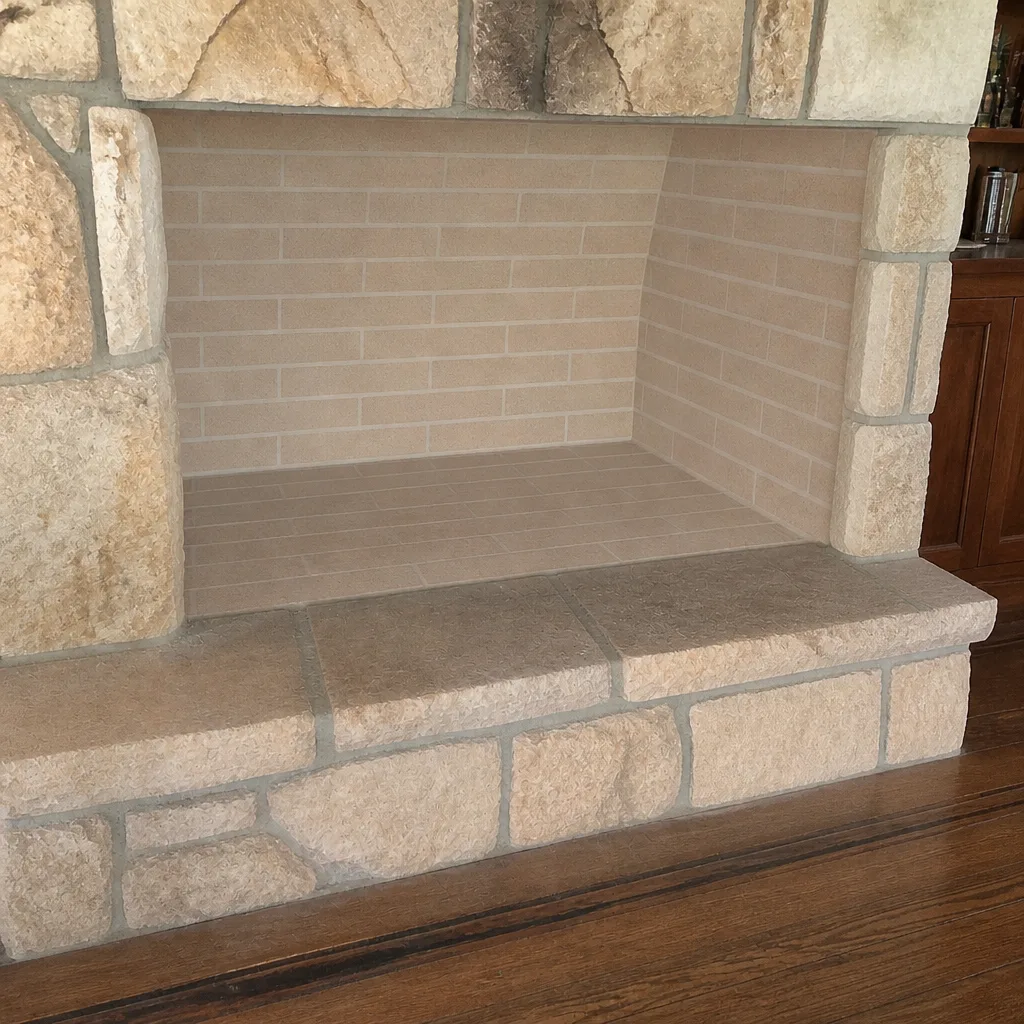
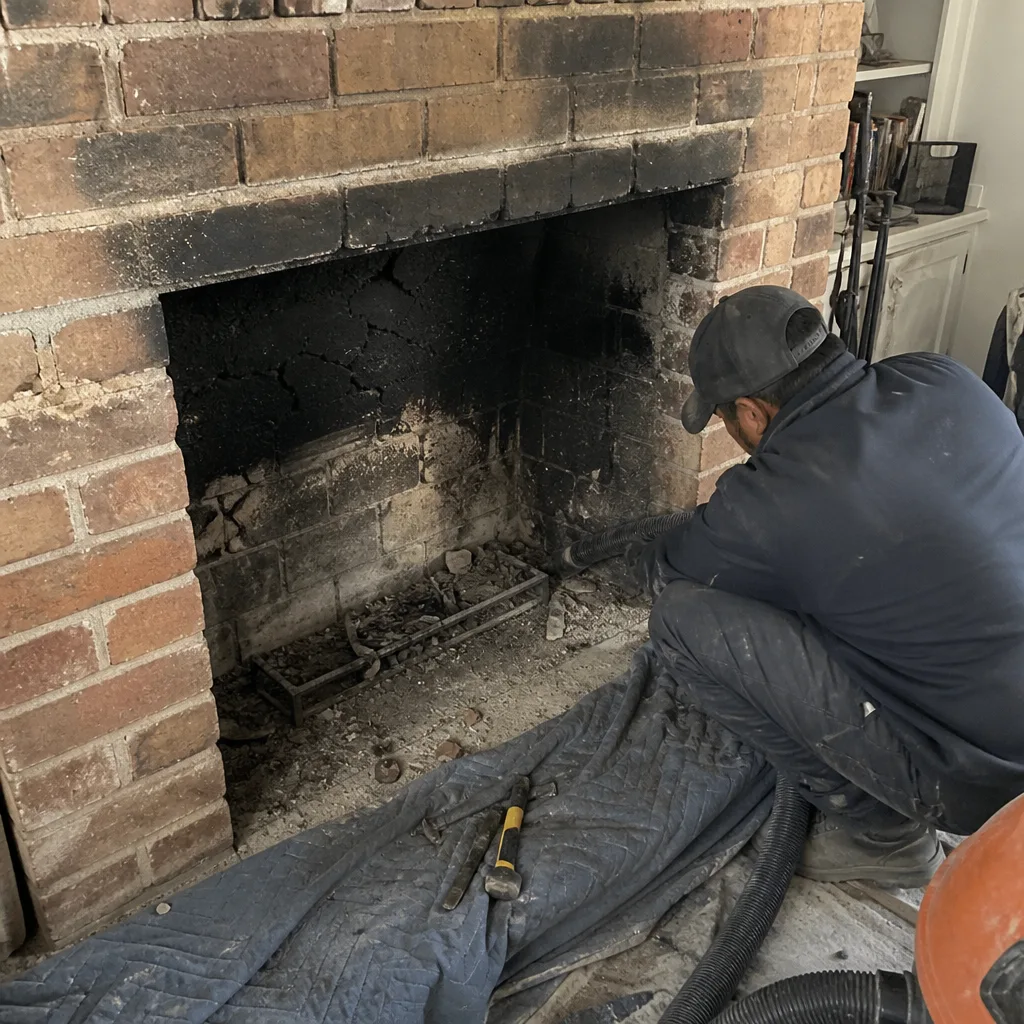
See the difference
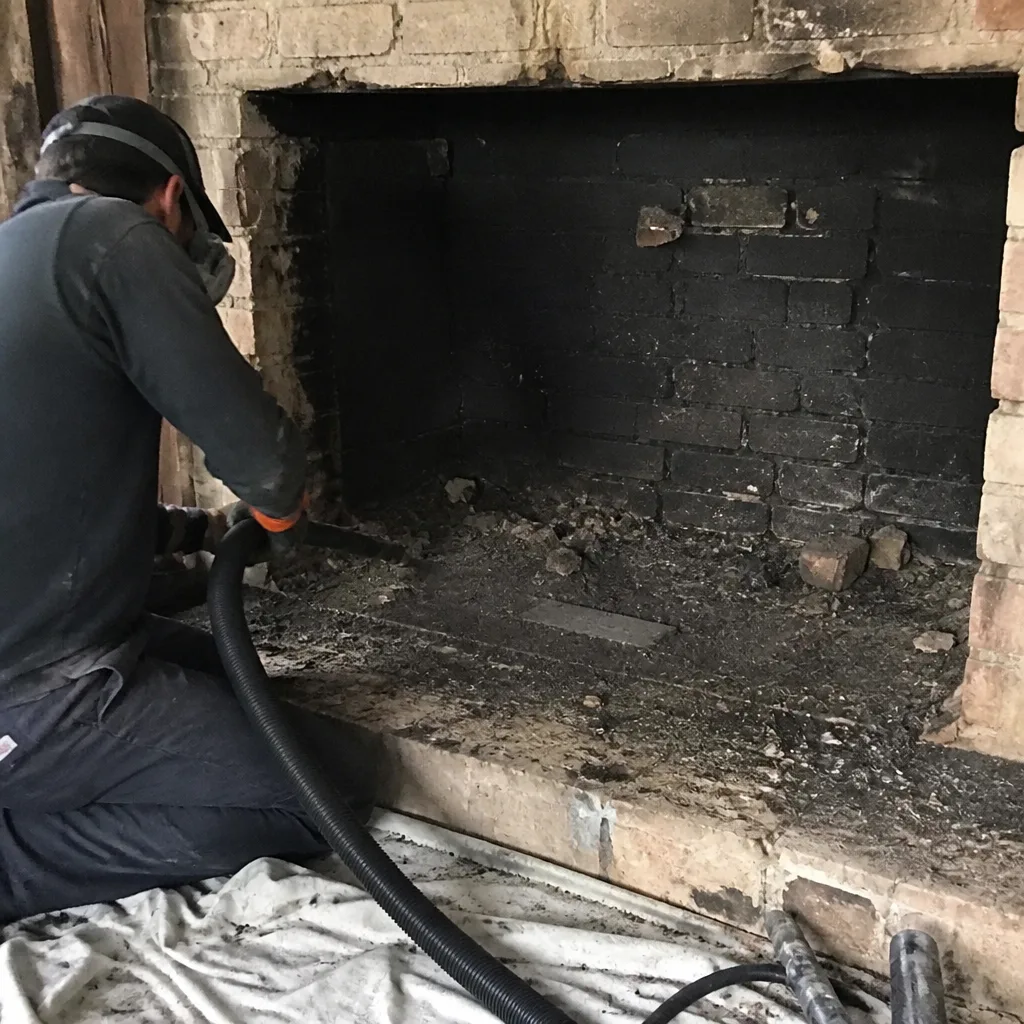 Before
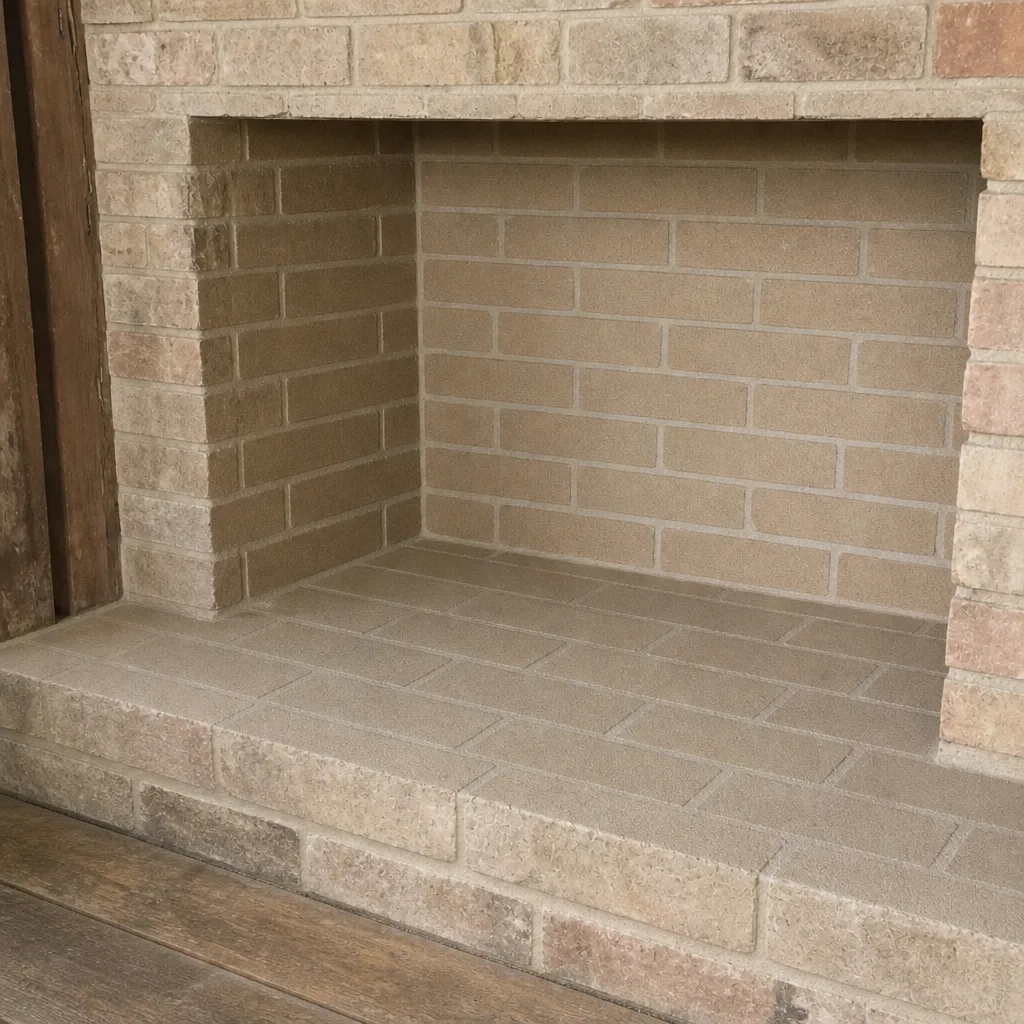 After
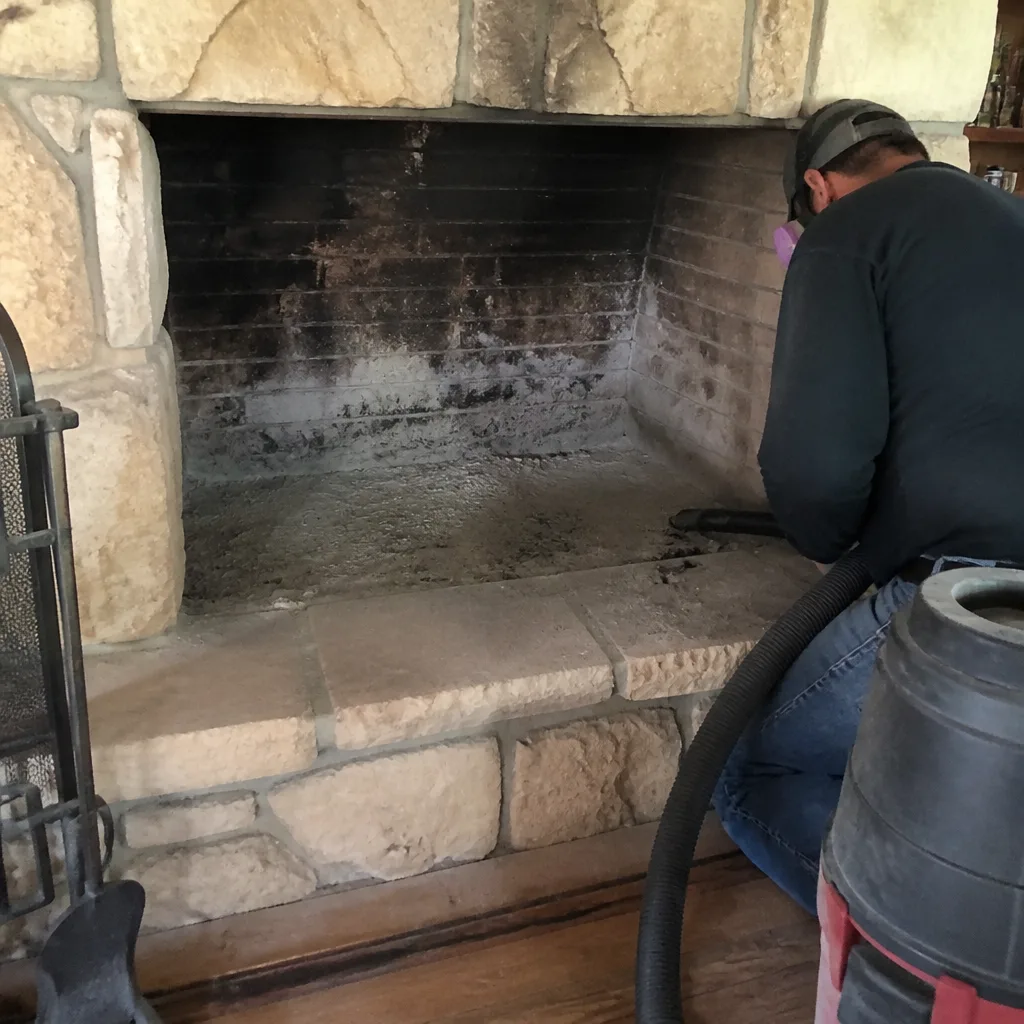 Before
 After
 Before
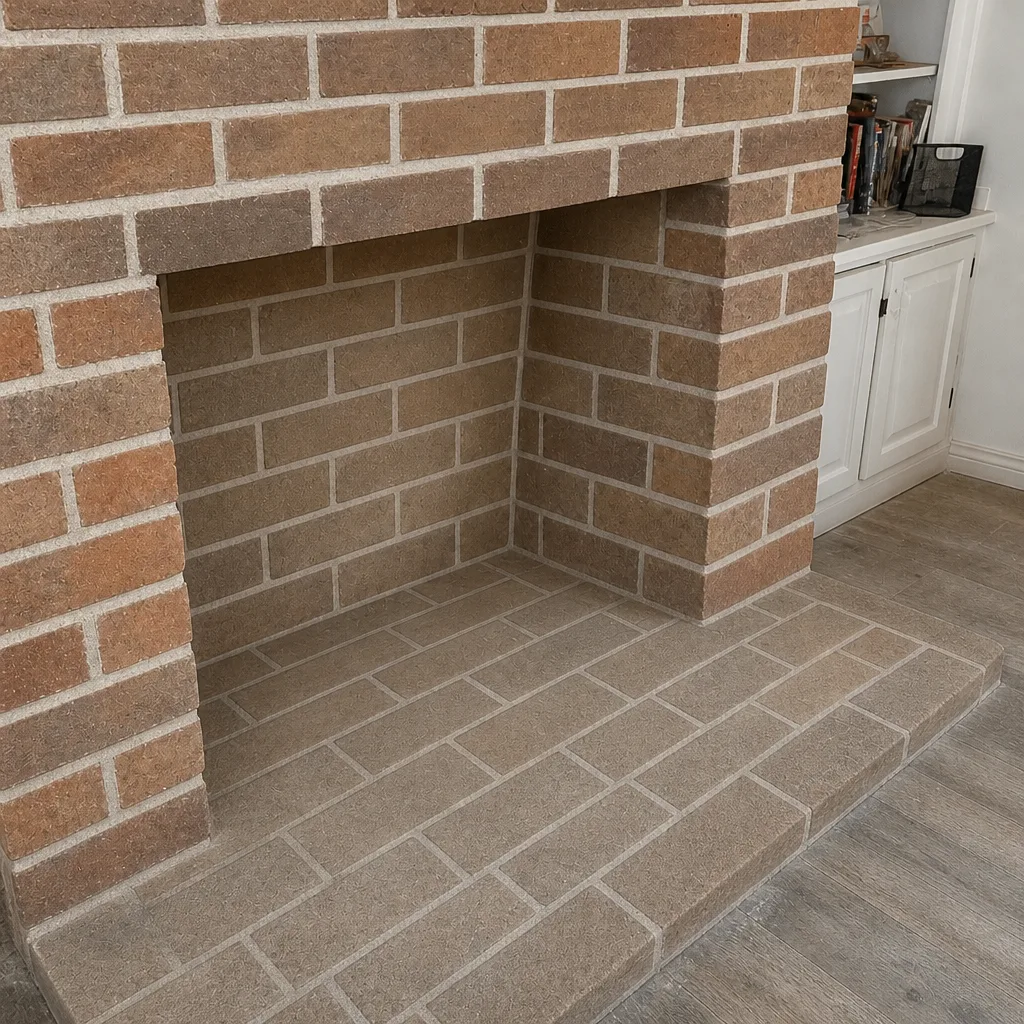 After