
Last updated November 14, 2026
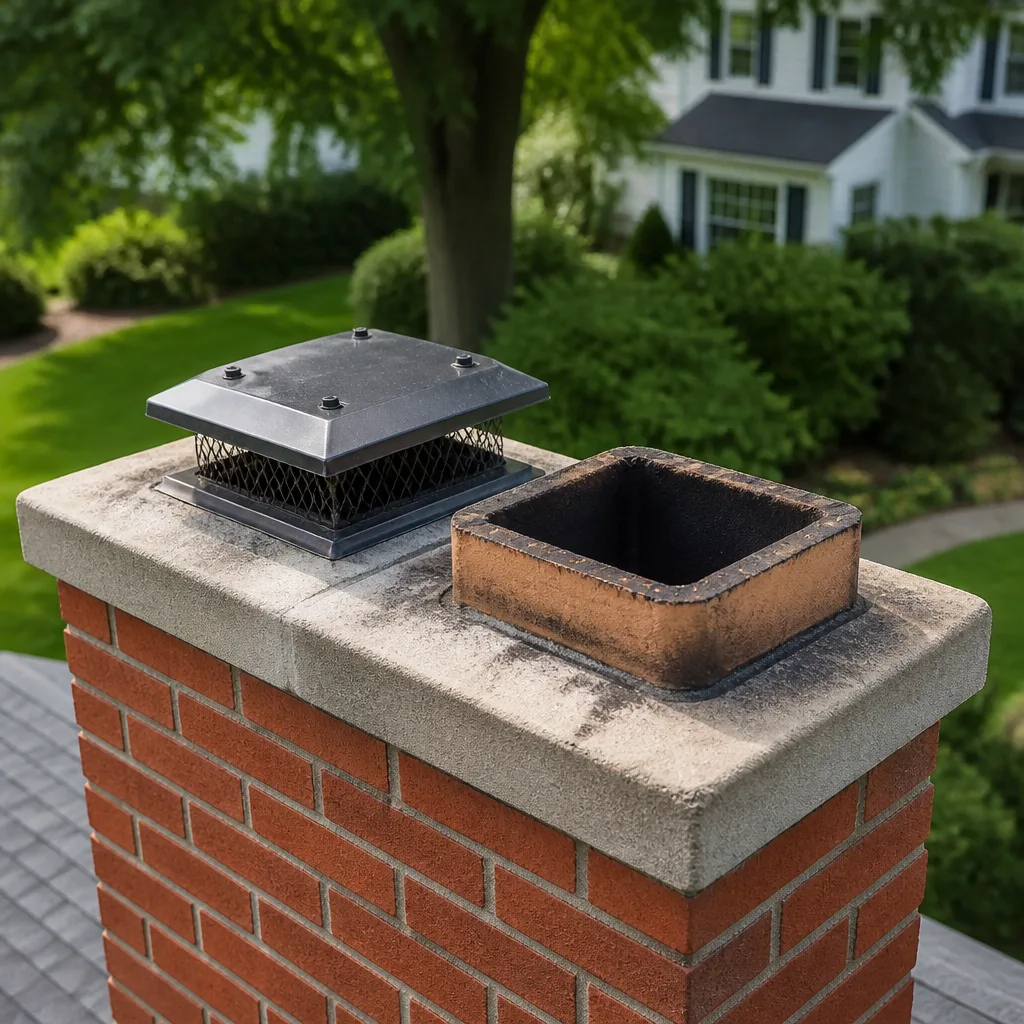 Sweep & inspection
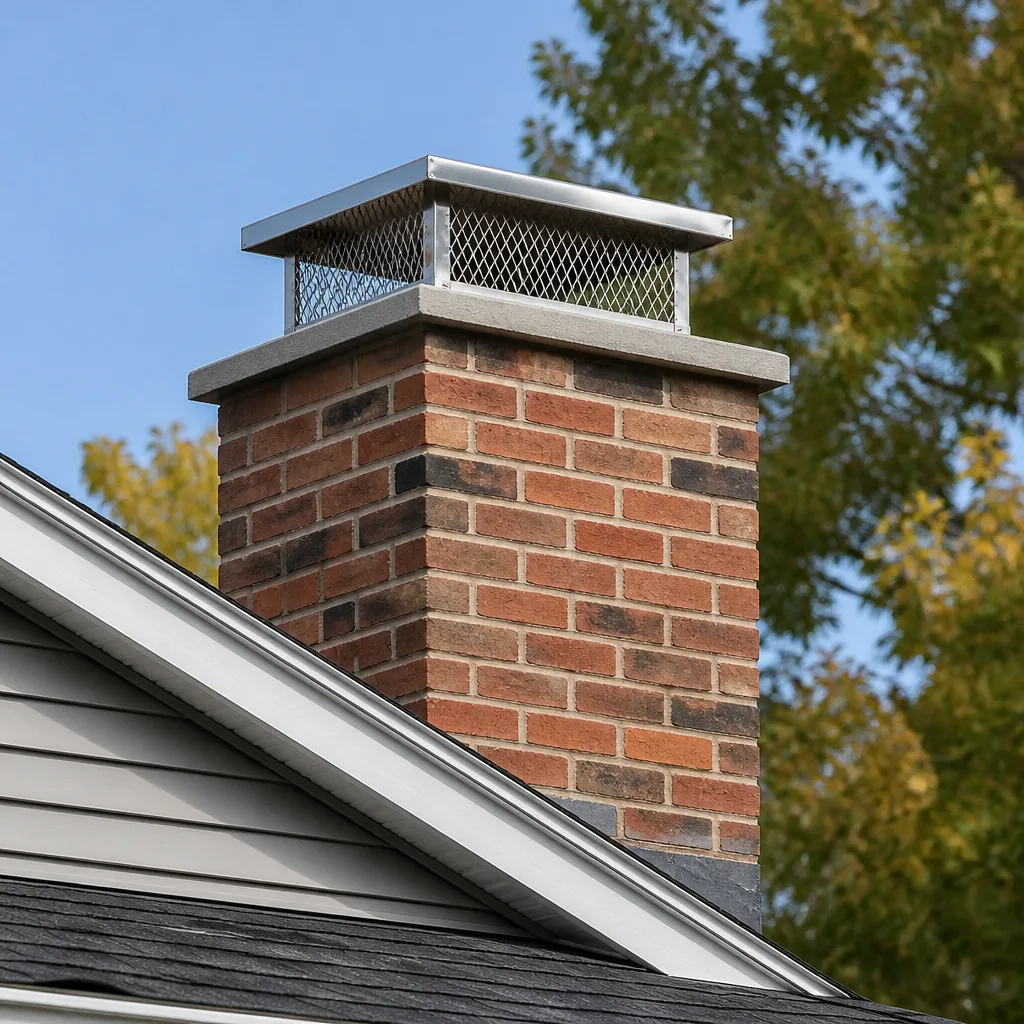 Caps & crowns
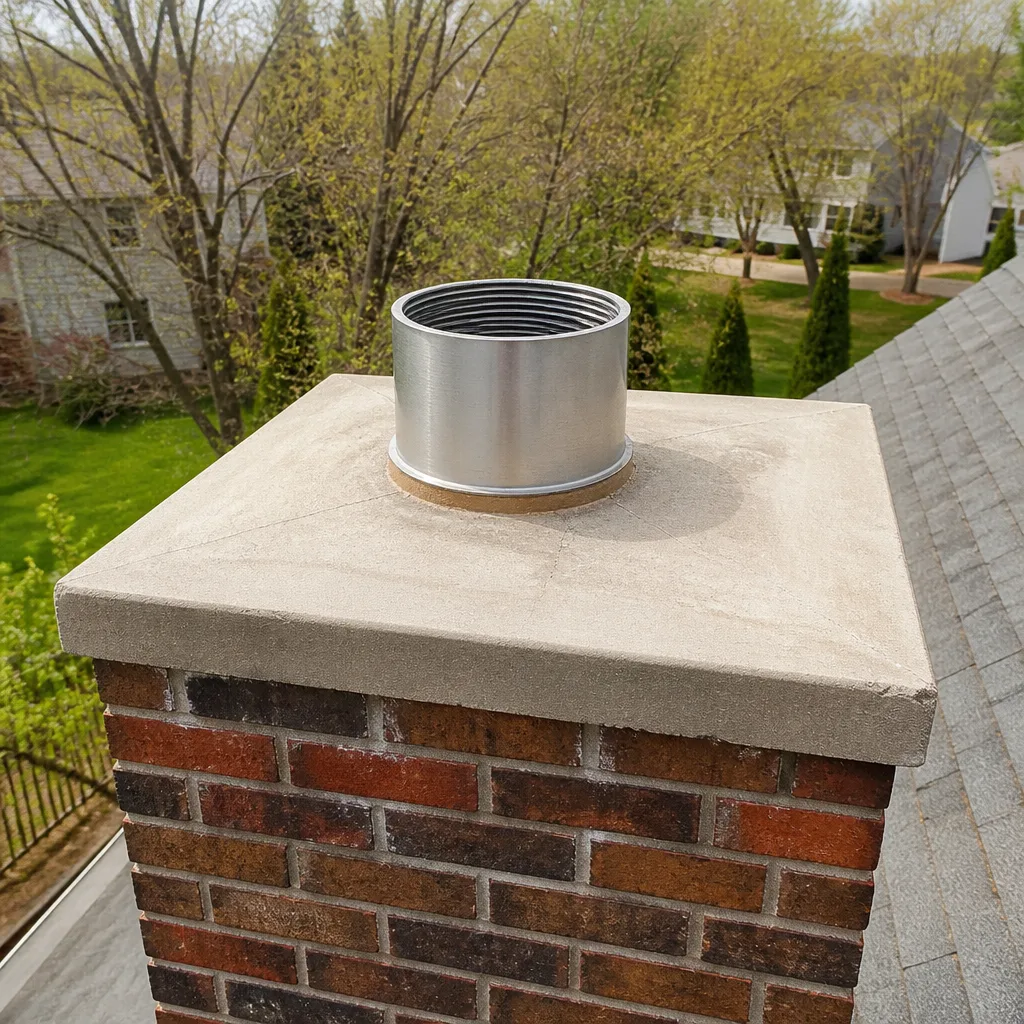 Flue relining
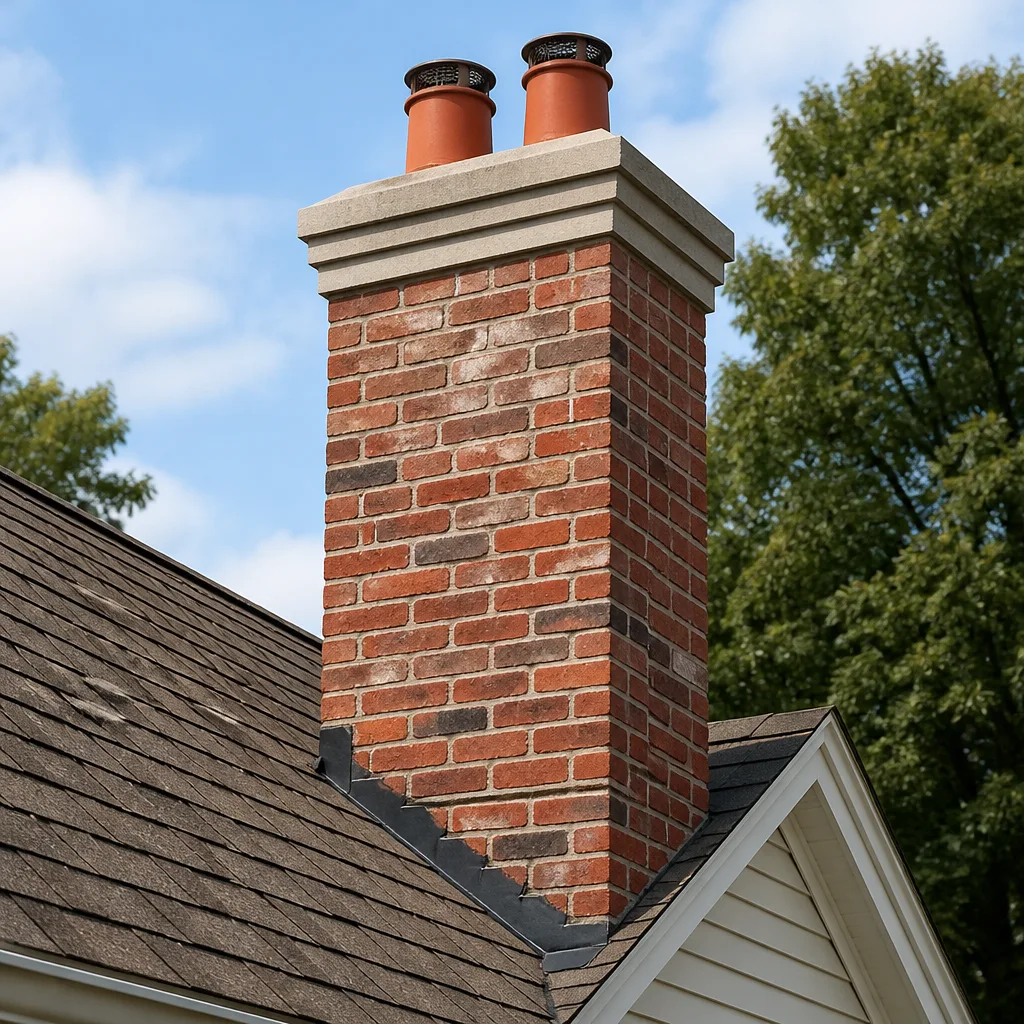 Masonry repair
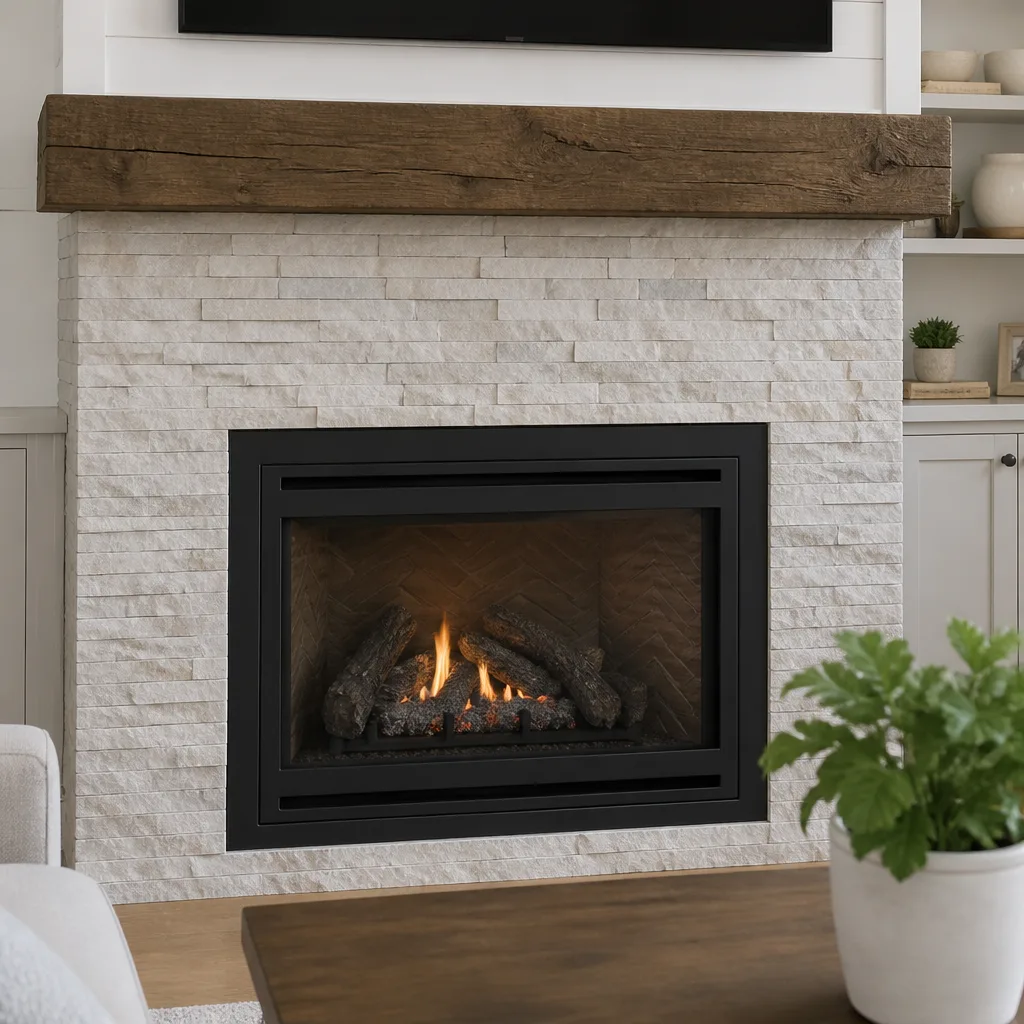 Gas fireplace service
Level 1 sweep and inspection to the NFPA 211 annual standard - flue, crown, cap, and flashing checked and photographed
Chimney sweep logs do not sweep chimneys. They loosen some creosote - which then falls where a brush and vacuum still have to collect it.
Chimney Cleaning Emergency Preparedness Guide for El Paso Homes
The counterintuitive truth about chimney fire emergencies is that the most important work happens months before one. When first responders arrive on a roof fire call, the first question asked in the driveway is almost always when the chimney was last inspected and swept – and homeowners who can’t answer that have already lost the most useful piece of information for assessing the structure’s safety afterward. Preparedness in El Paso isn’t a bucket of sand beside the hearth. It’s a folder of records, a shut-off you can find in the dark, a clear idea of who to call, and a chimney that’s clean enough to make a fire unlikely in the first place. This guide walks through all of it, from the first sixty seconds of a suspected fire to the paperwork you should have on hand before one ever starts.
Quick Answer
Emergency chimney preparedness in El Paso means keeping your chimney swept and inspected so a fire is unlikely, knowing the right sequence of moves if one does occur (get out, call 911, shut off the gas on a gas fireplace, never put water on a fire that may have reached creosote), and having an accessible folder of inspection and repair records so a contractor or fire investigator can read your chimney’s history quickly. It’s built in advance, not improvised during. The single most useful tool you own is a dated record of every inspection, sweep, and repair.
Styles & brands we work with
- Sweep & inspection
- Caps & crowns
- Flue relining
- Masonry repair
- Gas fireplace service
Table of Contents
- What to Do in the First 60 Seconds of a Suspected Chimney Fire
- The Records Folder Every El Paso Chimney Owner Should Keep
- El Paso Emergency Contacts and Gas Shut-Offs
- Is Your Chimney Safe After an Earthquake, Windstorm, or Nearby Fire?
- The Post-Emergency Inspection and What Documentation You Should Receive
- Running a Household Fire Preparedness Check Before Burning Season
- Why El Paso’s Climate and Housing Make Chimney Readiness Different
- Common Mistakes to Avoid
What to Do in the First 60 Seconds of a Suspected Chimney Fire
Most homeowners get this sequence backward. The instinct is to reach for the fire extinguisher or the garden hose, then call for help. The correct order is the opposite: alert and evacuate first, call 911 second, and only then, from safety, try to interrupt the fire’s fuel supply. A chimney fire can roar or it can be quiet and smoldering; either way it can spread into the attic, roof framing, or adjacent walls long before it’s visible from the room. That’s why speed out of the house matters more than speed at the fireplace.
Here’s the sequence to run, in order:
- Get everyone out of the house and stay out. If you smell smoke, hear a low roaring rumble, or see glowing or cracked flue tiles from the roof line, treat it as a structure fire until proven otherwise.
- Call 911 from outside. Don’t stop to move valuables. Don’t re-enter for pets.
- Close the fireplace glass doors or damper if you can do so without stepping into a smokey room. Cutting the fire’s oxygen helps starve the chimney fire; don’t hesitate or re-enter if smoke is heavy.
- Shut off the gas supply if you have a gas fireplace or gas insert and the shutoff is reachable from outside the fire zone or adjacent to the exterior.
- Don’t put water on the fire. A sudden cool-down can crack flue tiles and send steam and smoke back into the room. Let trained firefighters handle suppression.
- Note the time and what you observed. When the fire investigator arrives, your eye-witness account of the sound, smoke color, and duration helps them assess how hot the fire burned and which parts of the chimney to inspect first.
El Paso Fire Department crews respond to chimney fires across the city every cool season, and their investigation starts with the question of whether the flue was recently swept. If you can say yes, with a date and a contractor’s report, you’ve handed them the most valuable tool for judging whether the structure can be reoccupied quickly or needs a full inspection before the gas or fireplace is used again.
The Records Folder Every El Paso Chimney Owner Should Keep
Post-fire assessments, insurance claims, second opinions from contractors, and even routine maintenance decisions all move faster when you can produce a clean history of your chimney. We’ve seen home inspectors, real estate transactions, and insurance adjusters each ask for the same three things: when the last sweep happened, what repairs were performed, and what appliance is installed. Building that folder now, before anyone needs it, is one of the highest-leverage moves a homeowner can make.
What belongs in the folder, in physical or digital form:
- Every inspection report, in chronological order. A camera inspection report with photos is the gold standard; a one-line invoice is better than nothing.
- Every sweep receipt with the date, the technician’s findings, and the condition of the flue as observed.
- Appliance documentation. Manufacturer spec sheets and install manuals for your fireplace, insert, stove, or venting system. They tell the next contractor exactly what materials and clearances the appliance requires.
- Repair records. Anything relined, resurfaced, re-capped, or re-pointed should be documented with the material used. If a liner of DuraFlex or a HeatShield resurfacing was installed, keep the specification sheet so a future contractor knows exactly what’s inside your flue.
- Gas shut-off location and instructions, written down and taped inside the folder, plus a photo of the shut-off so anyone in the household can find it under stress.
- Contact sheet with the emergency non-emergency line for El Paso Fire Department, the gas utility’s emergency line, your insurance carrier’s claims number, and the chimney specialist you use.
Store one copy physically near the main exit of the home (a fireproof lockbox is ideal) and one copy in the cloud. If you have photo or video evidence of the roof and chimney taken during the last inspection, keep that too; it’s a record of the condition at a point in time and is invaluable after a windstorm or earthquake when the question is “was it like this before?”
El Paso Emergency Contacts and Gas Shut-Offs
An emergency contact sheet is only useful if it’s accurate for this city and this utility setup. Every El Paso household that burns wood or gas should have three numbers within reach and one physical skill practiced: the ability to shut off the gas supply to the fireplace or the whole house without hunting for a wrench.
The three numbers on the sheet:
- 911 for any active fire, smoke, or smell of gas.
- El Paso Fire Department’s non-emergency line for reporting a hazard, asking follow-up questions after an incident, or requesting a courtesy inspection. Look up the current number on the city’s official site and write it down; the number changes less often than people assume, but “I thought I remembered it” is not a plan.
- Texas811 before any digging near a gas line, plus the gas utility’s emergency line for a suspected leak.
For gas fireplaces and inserts, know which of two shutoff types you have. A small appliance shutoff valve is often installed in the wall beside or beneath the fireplace, sometimes behind a hinged access panel. The whole-house meter shutoff is at the gas meter, typically outside the home, and requires a wrench to turn a quarter turn so the valve is perpendicular to the pipe. Practice this once in daylight, with the gas off, so you know the motion. Don’t relight a pilot or turn gas back on yourself after a suspected leak – the gas utility does that. If the smell of gas is strong or you hear hissing, don’t touch a light switch or your phone inside the house; walk out and call from outside.
Move through the home with a family member and physically point to every shutoff. If you have a wood-burning fireplace, the related shutoff is your fireplace damper – practice opening and closing it so that closing it in a hurry is a reflex rather than a fumble.
Is Your Chimney Safe After an Earthquake, Windstorm, or Nearby Fire?
A chimney can look fine from the ground and be compromised at the crown, the tile liner, or the mortar joints where it meets the roofline. After any structural event that shakes, pushes, or heats the chimney, an inspection is the only way to know. El Paso sits in a seismically active region, and monsoon-season wind and hail are annual events; both can crack a crown, loosen flashing, or shift a cap without obvious visible change from the yard. A house fire in an adjacent property can radiate enough heat to affect a neighboring chimney’s exterior mortar, and smoke drift can draw combustion byproducts into a home through the chimney itself.
What to look at from the ground before you call:
- Is the chimney leaning or visibly off-plumb? A shift relative to the roof line is a serious signal.
- Are there new cracks in the crown or visible spalling of brick or mortar? A piece of crown on the ground after a windstorm is a red flag.
- Is the cap or spark arrestor intact and seated? A displaced cap is a water and animal entry point and can be a projectile.
- Are the flashing and sealant at the roofline intact? Wind can lift flashing and open a path for water into the attic or wall cavity.
- Is there any charring, discoloration, or new staining on the chimney exterior or roof? Smoke or heat staining after a neighbor’s fire warrants a look inside the flue.
None of those visible checks tell you about the interior of the flue. Only a camera inspection does. If any of the above is true, or if you simply don’t know when the chimney was last inspected, treat it as out of service for wood or gas burning until a specialist has looked at it. This is the right moment to schedule a chimney sweep with a camera inspection, because the same appointment that cleans the flue also documents its condition in photos you keep.
The Post-Emergency Inspection and What Documentation You Should Receive
After a chimney fire, earthquake, or wind event, a professional inspection is not a brush-and-go visit. It’s a structured check of the whole system, from the firebox to the top of the flue to the roof penetration. We perform this kind of inspection with a camera, but the standard is the same no matter who you hire: the technician runs a camera through the whole flue, documents what they find with photos, and produces a written summary of condition and recommendations that you keep.
What the post-emergency inspection should cover, at minimum:
- Firebox and damper. Cracks, warping, and the damper’s ability to seal.
- Smoke chamber. The transition from firebox to flue, a common place for creosote to build and for tiles to fail.
- Flue liner. Camera inspection of the full length; check for cracked, spalled, or missing tiles, or gaps in a metal liner. A fire hot enough to damage the liner is the single most important thing to rule out.
- Chimney crown and cap. Cracks, spalling, and displaced components.
- Flashing and roof penetration. Seal integrity, evidence of water intrusion, and any sign that heat reached the roof deck.
- Exterior masonry. Mortar joints, spalling, and the overall plumb of the chimney.
- Appliance and venting. If there is a gas insert or wood stove, verify the connection, venting, and clearances.
What you should receive in writing before the fireplace is put back into service: a dated inspection report with photos, a written statement of whether the flue is safe to use, a list of any repairs recommended and why (with a photo of the specific defect for each), and material specifications for anything installed. If a liner is needed, ask for the brand and the product type. If resurfacing is appropriate, HeatShield products are one of the ways a flue can be restored without full relining. We keep our customers informed about which brands we’re specifying and why – DuraFlex for liner systems, HeatShield for resurfacing, Gelco for caps – because the material matters to the next contractor, the next inspector, and a future insurance claim.
Running a Household Fire Preparedness Check Before Burning Season
El Paso’s cool season comes on gradually, which is exactly why chimney readiness gets deferred until the first cold night. A single walk-through of the home, done once, covers most of what an emergency response would otherwise bring to light under pressure. Run it before the first fire of the season, and again after any event that affects the chimney.
The walk-through, in order:
- Confirm the flue was inspected and swept in the last year if you burn wood regularly. If you don’t know the date, find the receipt or schedule a sweep.
- Test every smoke and carbon monoxide alarm in the home, including the one nearest the fireplace. Replace batteries; replace the unit if it’s passed its expiration date.
- Locate and physically touch the gas shutoff and the fireplace damper. Practice operating both. Ensure a wrench hangs at the gas meter if the valve needs one.
- Check the fire extinguisher. Look at the gauge, verify it’s accessible, and read the label so every adult knows which type it is.
- Make sure the hearth area is clear of combustibles and that the fireplace screen or glass doors seal properly.
- Confirm the roof and cap are clear. Look up from the yard for displaced caps, debris, or animal signs. Bird and rodent activity in a flue is a real problem in El Paso.
- Update the records folder with any new inspection or repair, and confirm both the physical and cloud copies are current.
- Walk through the escape plan with everyone in the home, including the meeting point outside and the fact that no one re-enters the house during a fire.
Dryer vents belong on this list too. Lint buildup in a dryer vent is one of the leading causes of residential house fires nationally, and the same cool-season walk-through is the right time to have that vent checked and cleared. Our dryer vent cleaning service is a dedicated line of work, not an afterthought to a chimney call, and we treat it with the same documentation discipline as the chimney itself.
Why El Paso’s Climate and Housing Make Chimney Readiness Different
Chimneys here live a different life than they do in wetter climates. El Paso’s dry air and abundant sun bake the exterior masonry and the crown, and over years that thermal cycling quietly opens hairline cracks in the crown and mortar, which let monsoon rain in during July and August. Wood-burning fireplaces in El Paso tend to see shorter, more concentrated use: relatively few fires a season, but often the same dense woods (mesquite, oak) that produce creosote fast when the fire is banked low and burns cool. Cool, smoldering burns plus a dry climate that lets the firebox cool between uses is exactly the recipe for glazed, third-degree creosote. That’s the form we look for most closely here, because it ignites at lower temperatures than the fluffy first-degree creosote and is harder to remove with a brush alone.
Housing stock matters too. El Paso has a wide mix of older masonry chimneys with clay tile liners and newer homes with factory-built metal fireplaces and gas inserts. The older clay tile liners are more prone to cracking from a hot fire; the newer factory-built units have their own venting requirements that a generalist contractor often doesn’t fully understand. A chimney specialist who works with DuraFlex liner systems and understands the differences between masonry and factory-built venting will inspect each one differently. That’s the reason we work with the industry supply brands we do – the right material for the right chimney, not the same product bolted onto every house.
Neighborhood context also shapes wildfire and smoke exposure. Homes in the foothills around the Franklin Mountains see more wind-driven smoke and ember exposure than homes in the valley; homes near the Rio Grande see more seasonal humidity and different masonry weathering. Neither is a reason to panic, but both are reasons the inspection report for a home in the Upper Valley may emphasize different findings than one in the Northeast. That’s the level of local care a readiness plan for an El Paso home should reflect.
Common Mistakes to Avoid
- Calling the fire department only after trying to put the fire out yourself. Every minute spent hunting for an extinguisher is a minute the fire has to reach the roof framing. Evacuate, then call 911, then do nothing else unless it’s safe.
- Assuming a masonry chimney is fine because it looks fine from the driveway. Crown cracks, spalling mortar, and internal tile damage all hide from a ground-level glance. Camera inspection is the only way to see the flue interior.
- Not knowing where the gas shutoff is. On a gas fireplace, the appliance shutoff and the meter shutoff both matter. Find them, practice them, and photograph them for the records folder.
- Burning without a recent sweep, especially with mesquite or oak. Dense hardwood burned cool leaves glazed creosote that ignites at lower temperatures. If you don’t know the last sweep date, treat the fireplace as out of service until you do.
- Discarding inspection reports and repair invoices. Without a documented history, post-fire investigations, insurance claims, and second opinions all get slower and more expensive. Keep both a physical and a cloud copy.
- Skipping the dryer vent. Lint buildup in the vent is a leading cause of residential house fires and has nothing to do with chimney use. The same preparedness walk-through should include the vent run behind the dryer.
- Hiring whoever answers the phone fastest after an emergency. Ask for a camera inspection report, written recommendations with photos of each defect, and the brand of any material installed. A specialist will show you all three without hesitation.
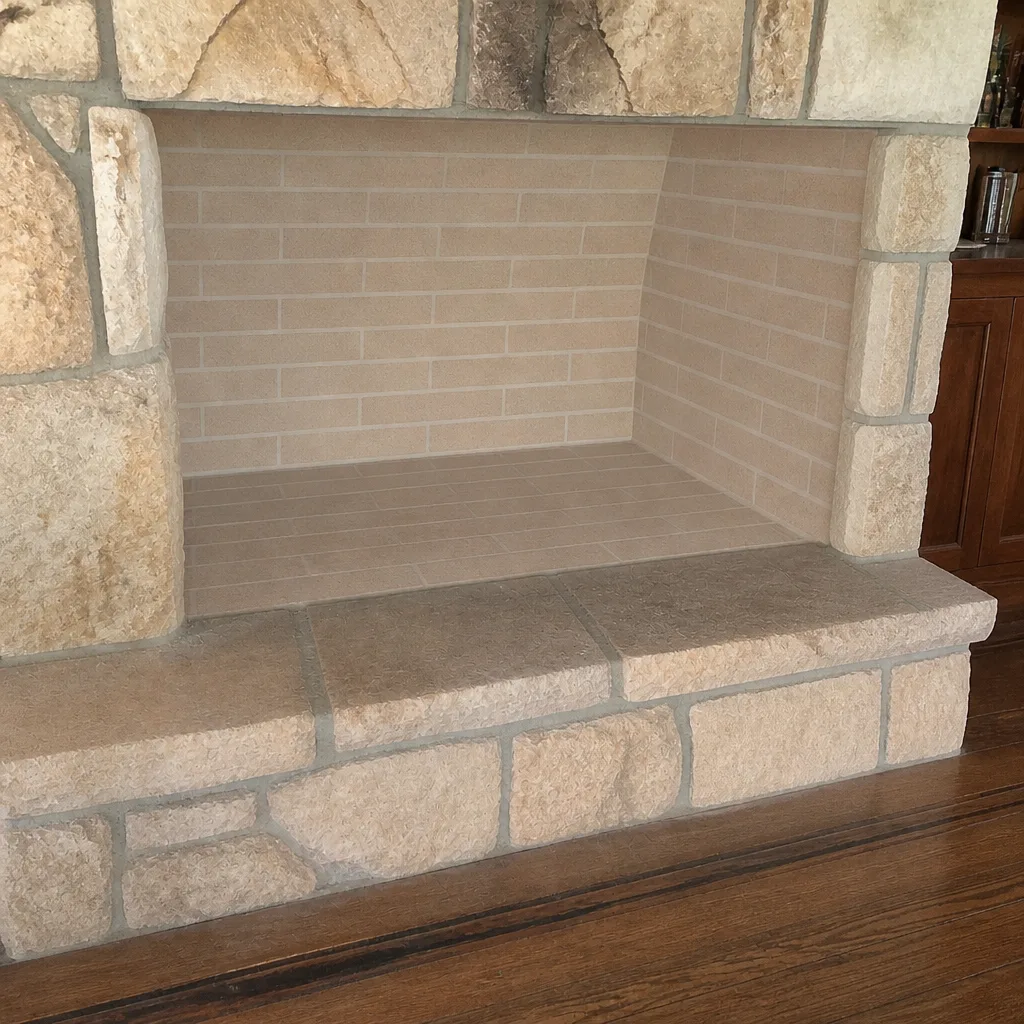
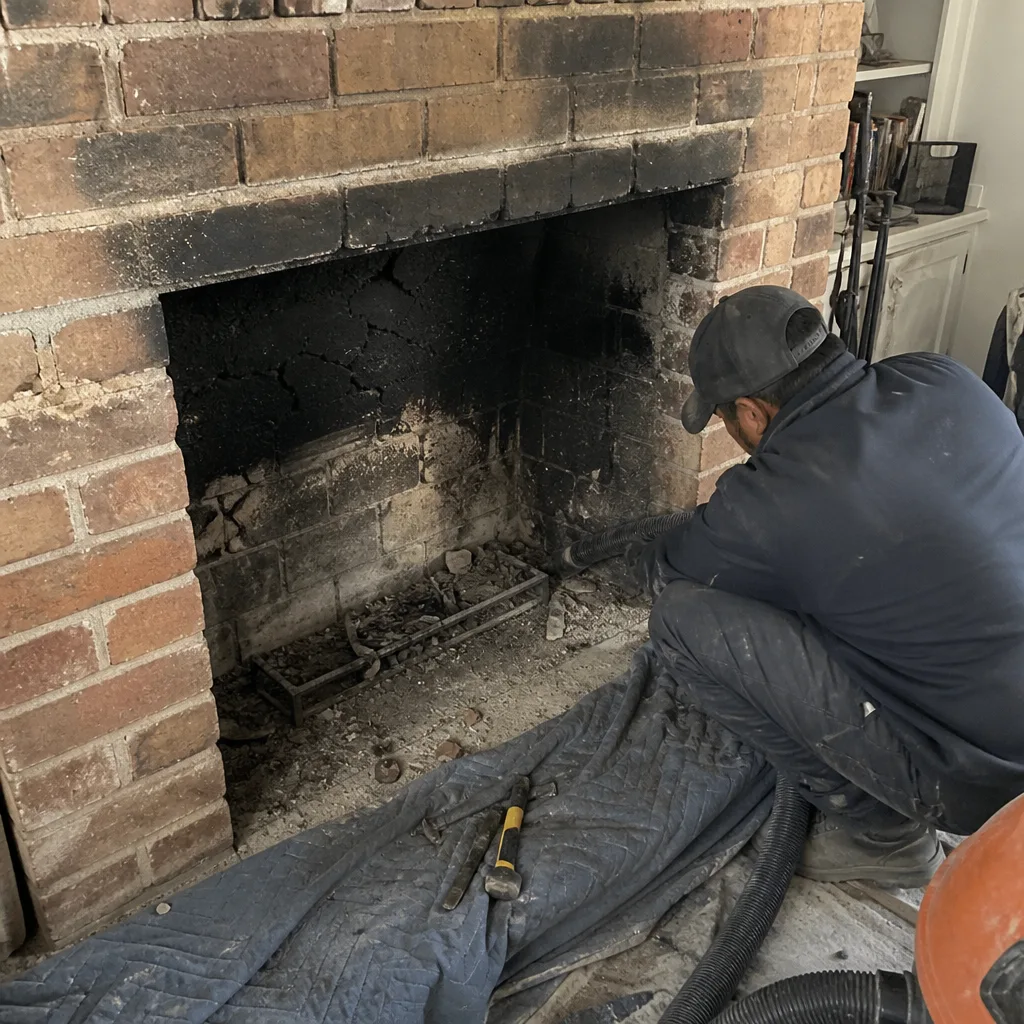
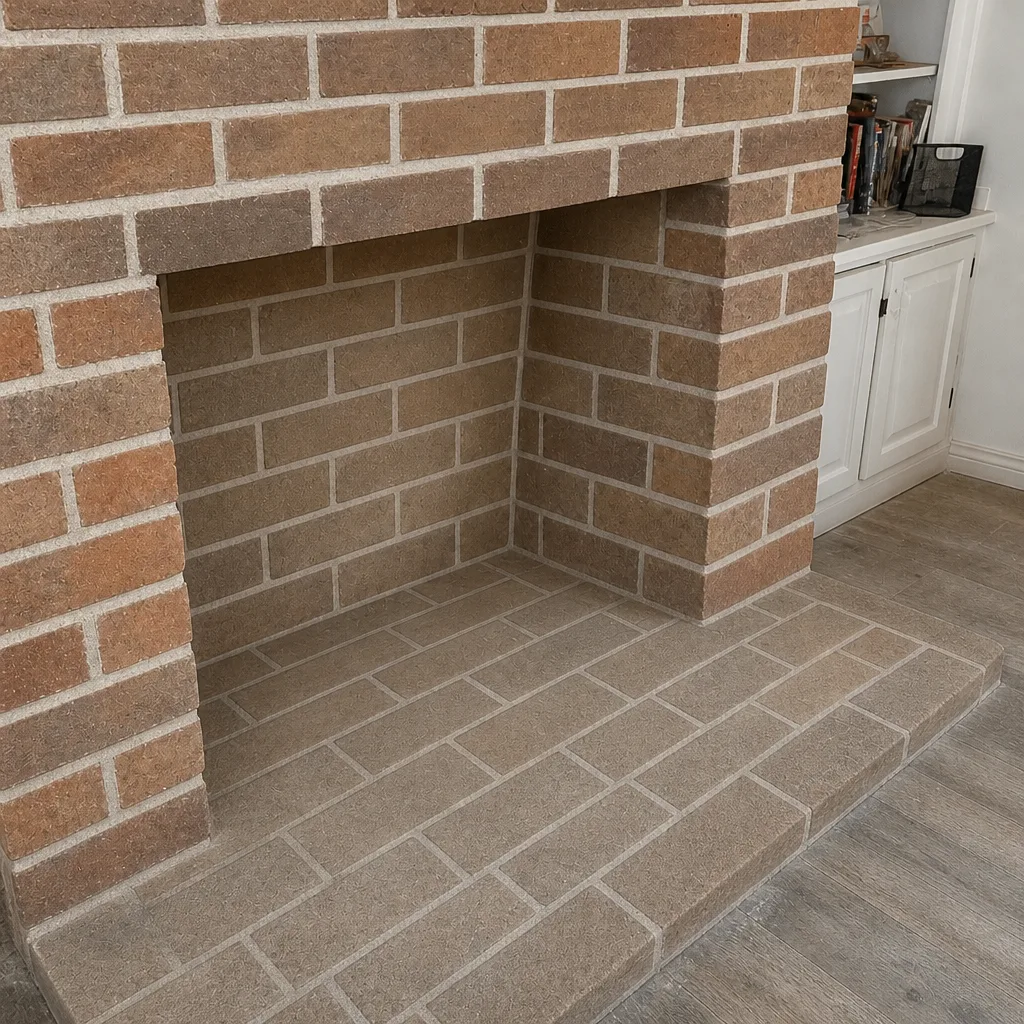
See the difference
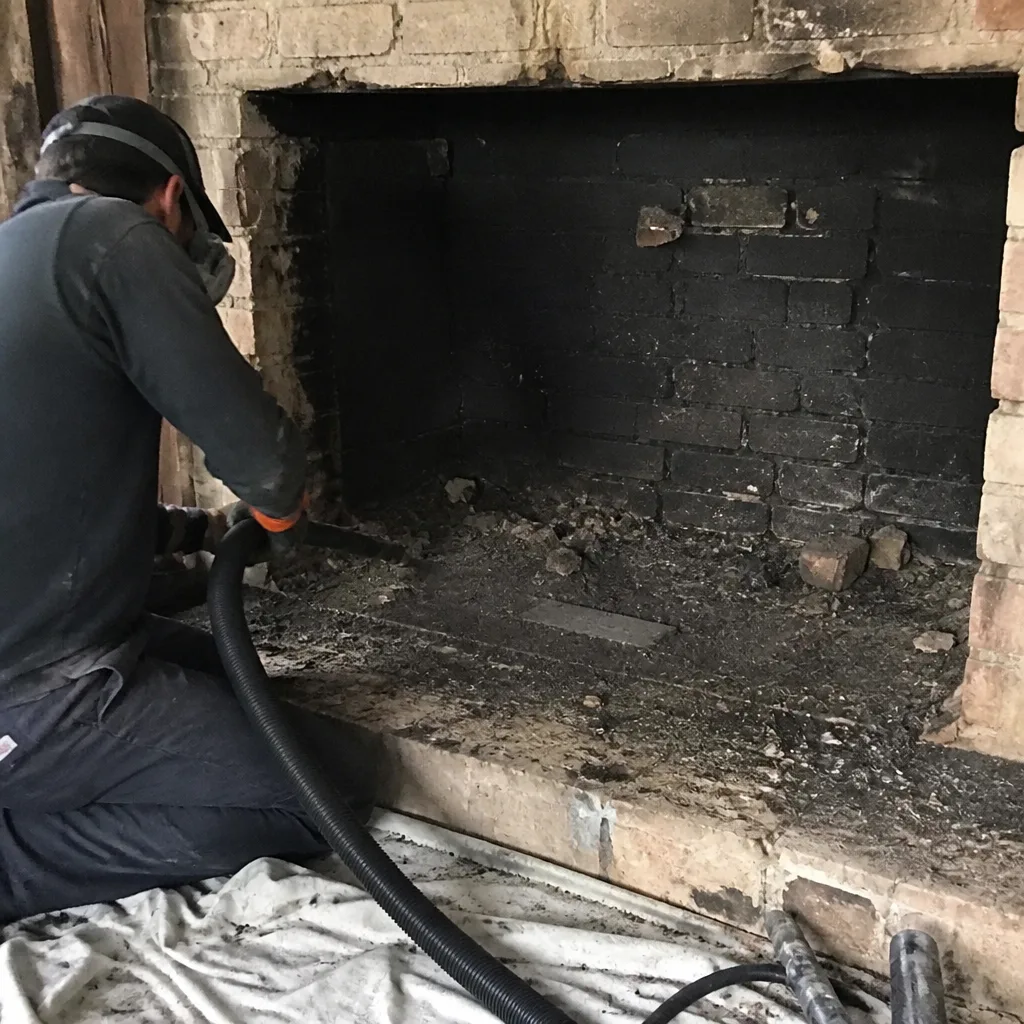 Before
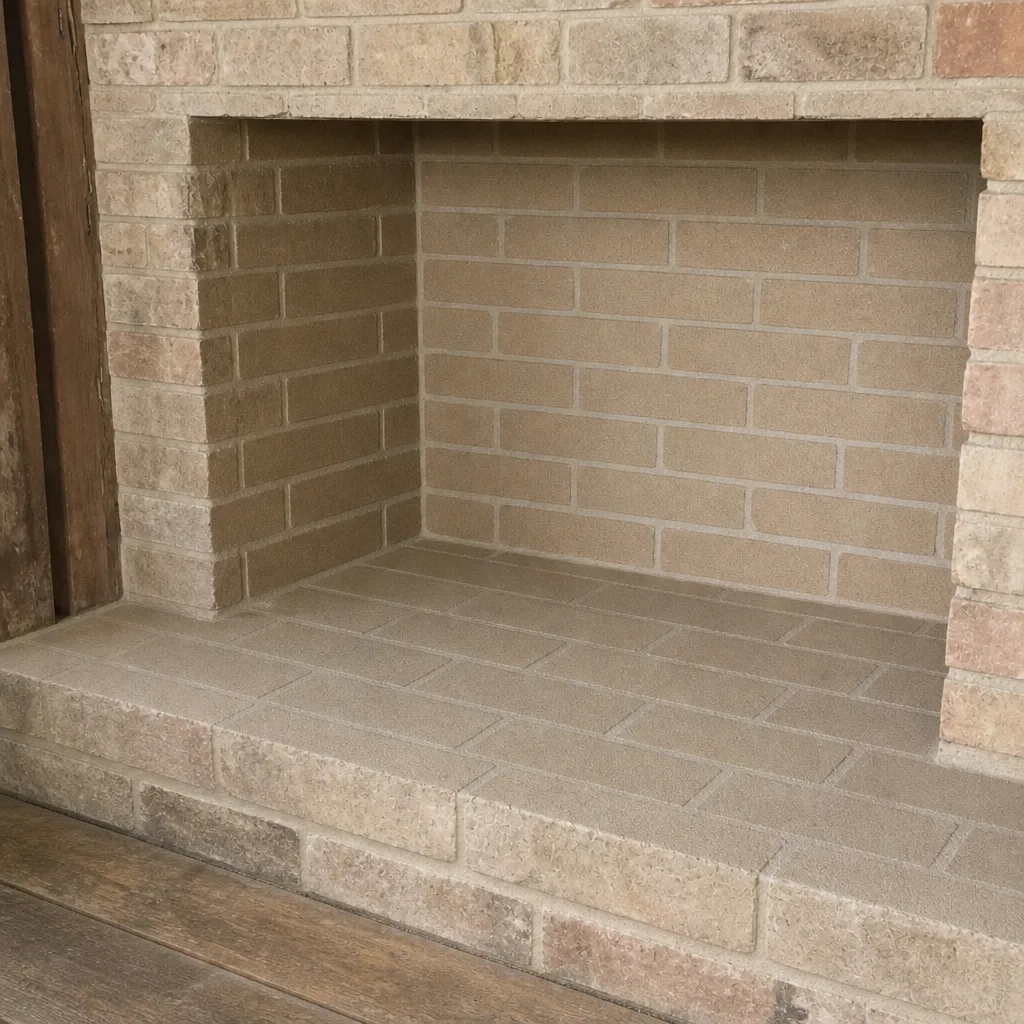 After
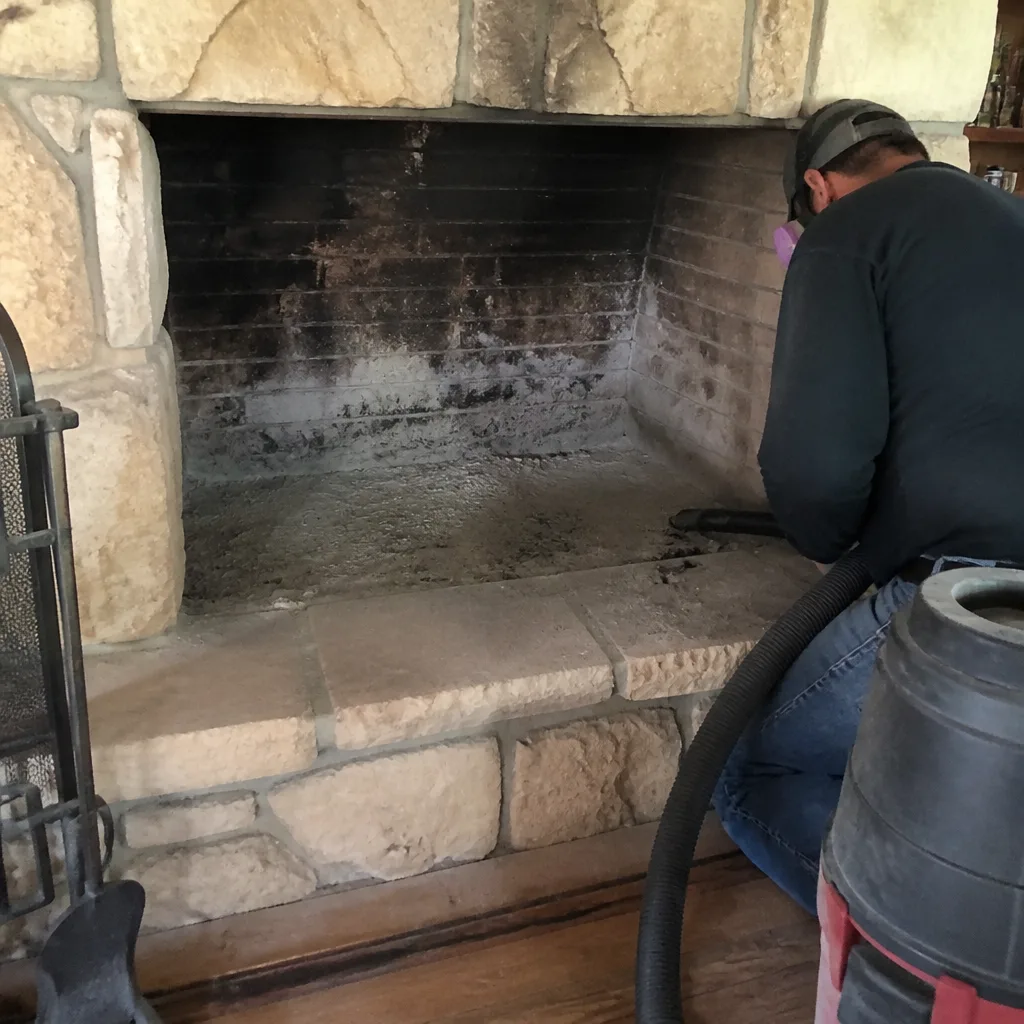 Before
 After
 Before
 After
When to Call a Professional
Call a chimney specialist if any of the following is true: the chimney has never been inspected in your ownership, a fire, earthquake, or severe wind event has affected the chimney or the roof, you see new cracks, spalling, or a leaning chimney, you smell smoke in the house from another room, or you can’t recall the last sweep date. Also call if you’re about to buy or sell a home in El Paso with a fireplace – documenting the chimney’s condition before closing is far cheaper than after. El Paso Chimney Sweep offers free estimates in El Paso – call (888) 849-7238. We answer 24/7. Fast dispatch from 7am to 7pm. We repair what we find, so a chimney sweep and any needed repair stay with one specialist rather than two contractors. Every inspection comes with camera evidence and a photo report, so you can see exactly what we found and whether work can safely wait. Written estimates set the final price – there’s no fee to call, and no pressure to do more than your chimney actually needs.
Frequently Asked Questions
Get everyone out of the house and call 911 from outside – extinguishing the fire comes only after everyone is safe. Close the fireplace doors or damper if you can do so without stepping into heavy smoke, shut off the gas on a gas fireplace if the valve is safely reachable, and never put water on a suspected chimney fire. Then note the time and what you saw; a fire investigator will want that information.
You should keep every inspection report, every sweep invoice, and every repair record with the brand and type of any material installed. Add appliance spec sheets for your fireplace or insert, a photo of the gas shutoff, and the El Paso Fire Department non-emergency line. Keep one copy in a fireproof location at home and one in the cloud – both are needed after any emergency.
It’s safe only if a professional has inspected it, because visible damage from the ground doesn’t reveal the state of the crown, flashing, or flue liner. New cracks, spalling, a leaning stack, or a displaced cap are reasons to stop using the fireplace immediately. A camera inspection settles the question in one visit.
Find the appliance shutoff valve – usually in the wall beside or beneath the fireplace, sometimes behind an access panel – and turn it perpendicular to the pipe. If the gas smell is strong or you hear hissing, leave the house and call the gas utility from outside. The whole-house meter shutoff is at the meter outside and needs a wrench; practice the motion once in daylight so it’s automatic under stress.
A wood-burning chimney should be swept and inspected once a year, and more often if you burn mesquite or oak frequently or notice a heavy creosote buildup. Gas fireplaces need annual inspection too, even though they produce little creosote, because vent condition and appliance clearances still matter. If you don’t know the last sweep date, schedule one now – call (888) 849-7238 for a free estimate.
Yes, but only after an inspection if smoke, heat, or embers reached your roof or chimney. Check the exterior for new charring, staining, or displaced caps and flashing, and have the flue camera-inspected before the first fire. If there’s any doubt, treat the chimney as out of service until a specialist clears it – call (888) 849-7238 for an exact quote, and estimates are free.
The Bottom Line
Chimney emergency preparedness in El Paso is built on four things: a swept and inspected flue so a fire is unlikely, a rehearsed first-sixty-second plan so a fire is contained, a documented records folder so any investigation moves faster, and a specialist relationship already in place so a post-event inspection isn’t a scramble. None of that is costly or complicated. It’s a yearly sweep, a walk-through of the home with the family, a folder of paperwork, and a phone number on the refrigerator. Do those, and you’ve turned an emergency from a blind guess into a managed response. We work across the city with professional-grade materials from Copperfield, Gelco, DuraFlex, and HeatShield, and we’re ready to help build that readiness plan when you are.
Call (888) 849-7238 for a free estimate. We answer 24/7. Fast dispatch from 7am to 7pm, Sunday through Friday. Visit El Paso Chimney Sweep to see the full scope of chimney sweeping, chimney repair, and dryer vent cleaning – handled by one specialist.
Written by the team at El Paso Chimney Sweep.