
Last updated November 14, 2026
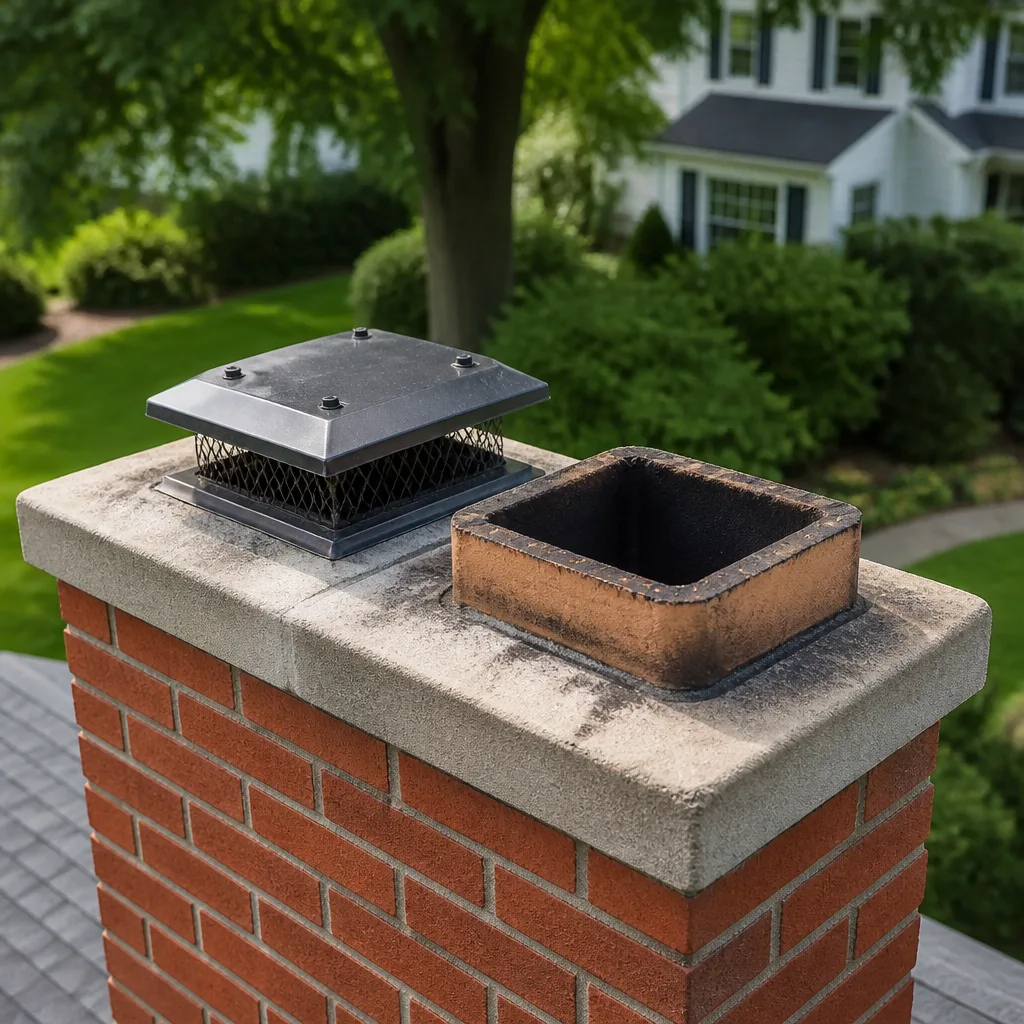 Sweep & inspection
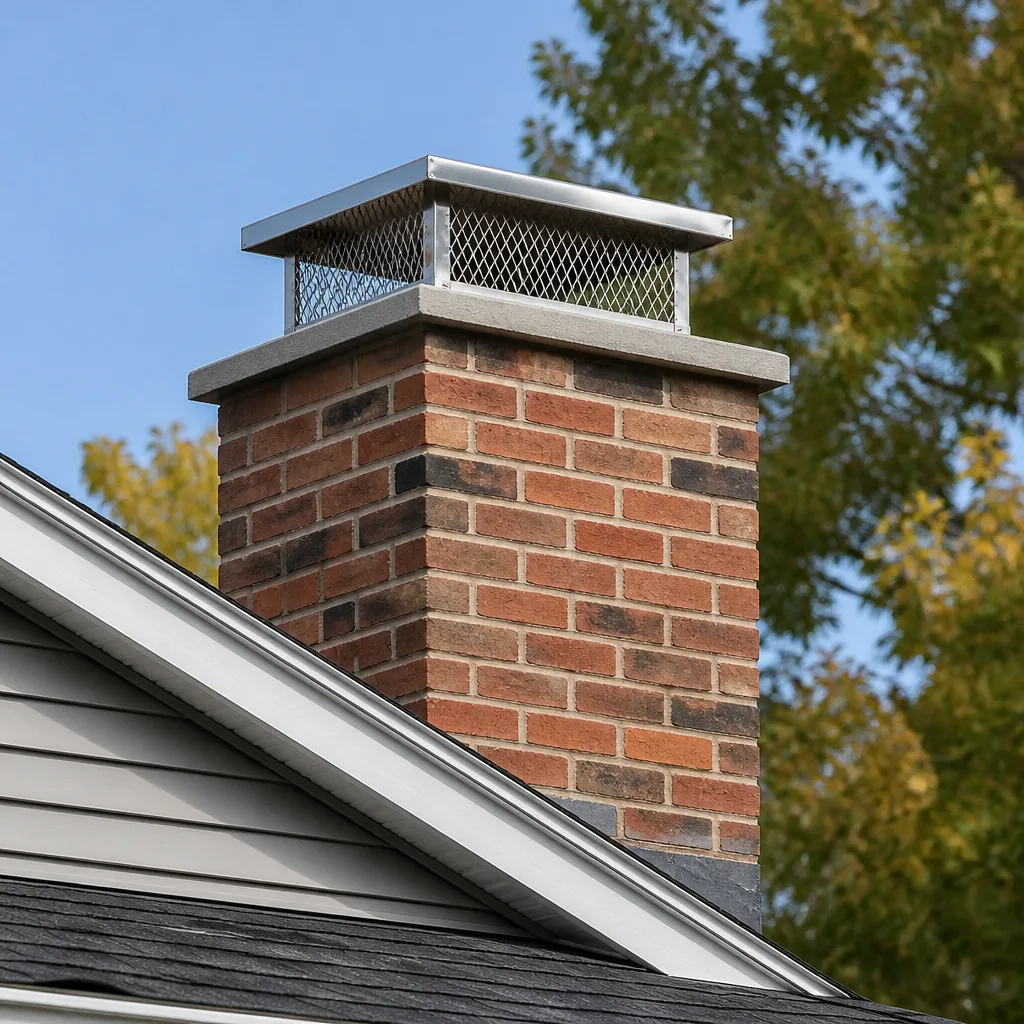 Caps & crowns
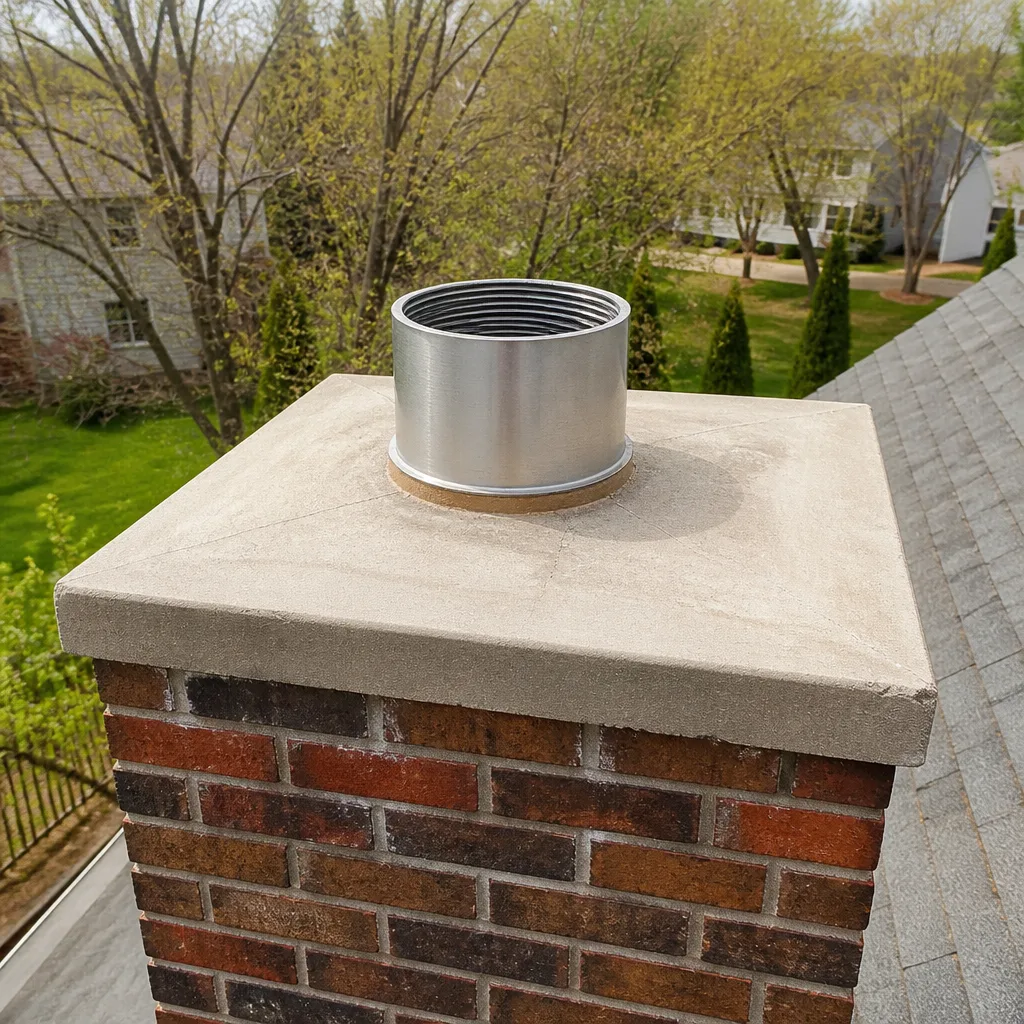 Flue relining
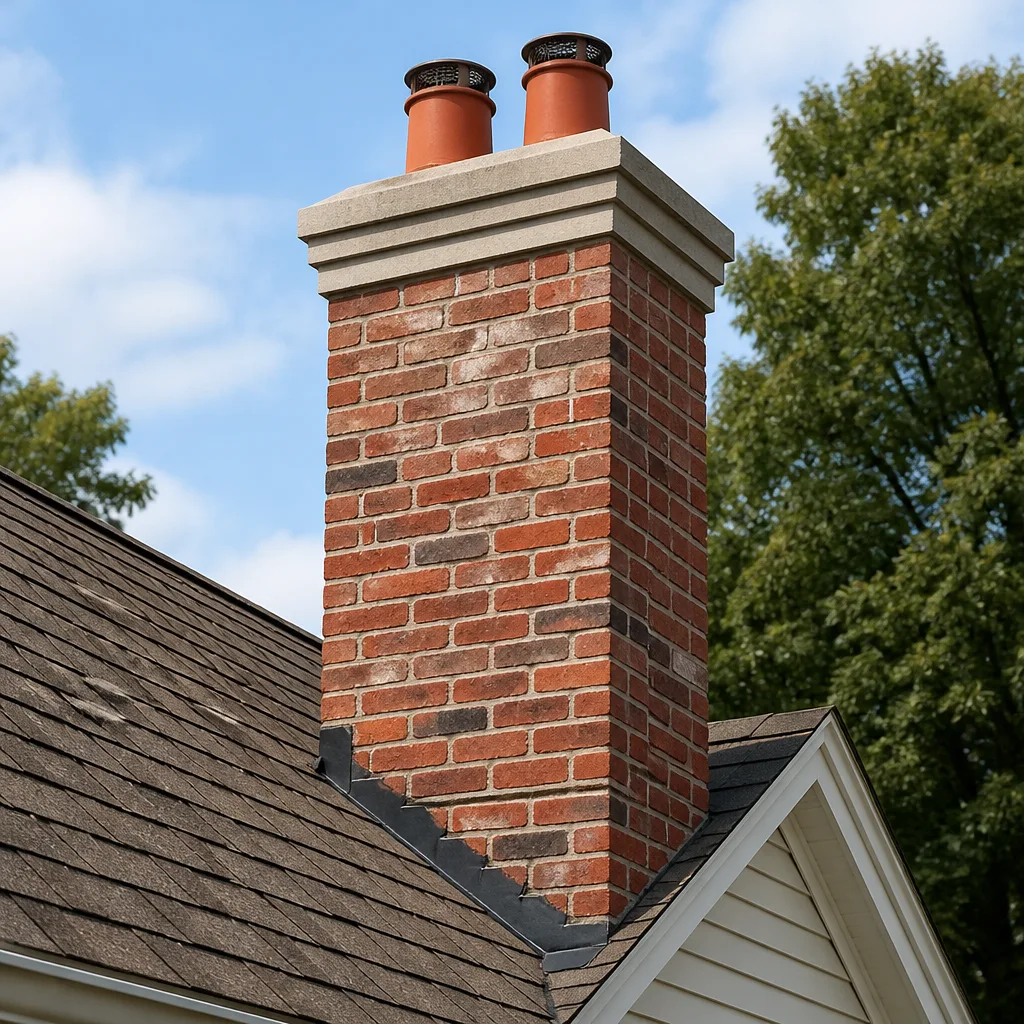 Masonry repair
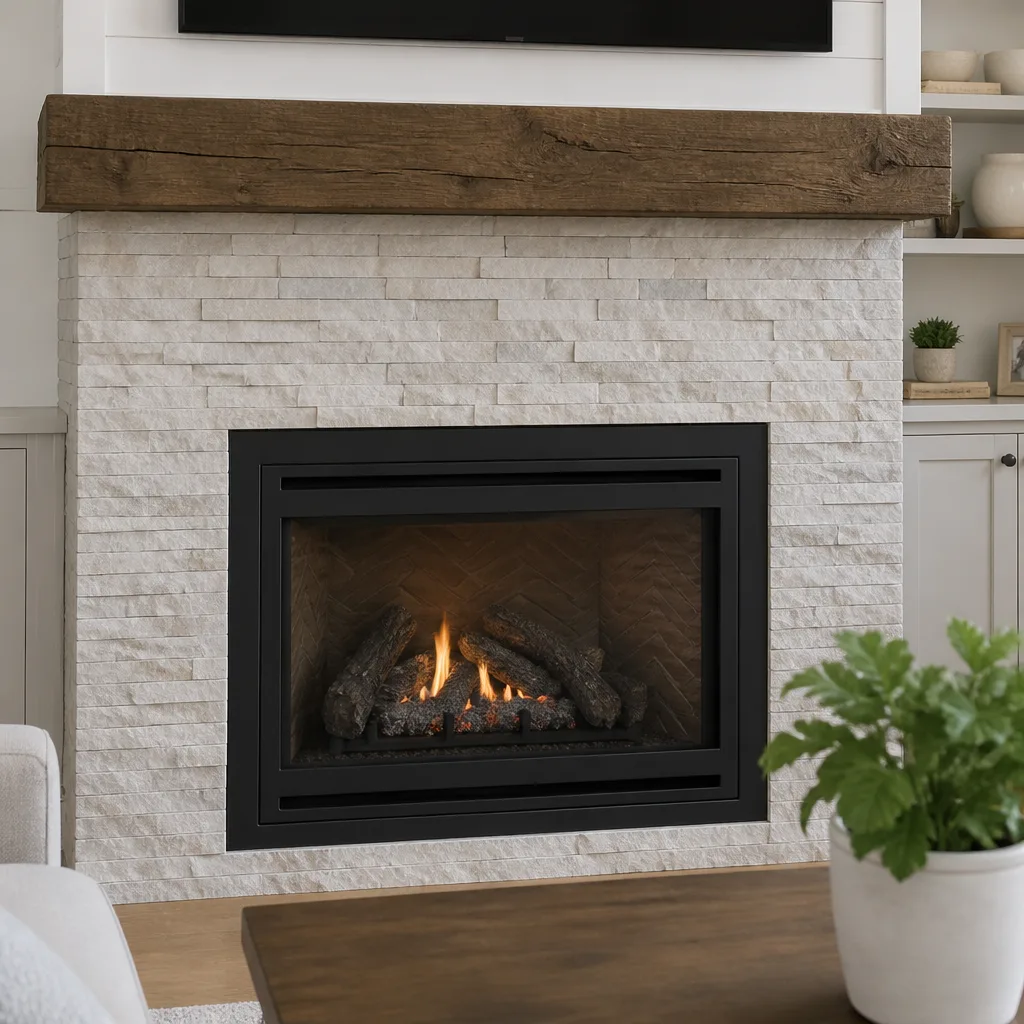 Gas fireplace service
Level 1 sweep and inspection to the NFPA 211 annual standard - flue, crown, cap, and flashing checked and photographed
Chimney sweep logs do not sweep chimneys. They loosen some creosote - which then falls where a brush and vacuum still have to collect it.
How to Hire a Chimney Cleaning Contractor in El Paso: A Step-by-Step Guide
Most homeowners assume the person arriving with a brush and a shop vac has been vetted somewhere along the way. In practice, chimney sweeping is one of the least regulated trades in Texas. No statewide license exists for sweeps, no single agency inspects their work, and the title “chimney professional” can be claimed by anyone who prints it on a business card. That means the brush is not the credential. The certification, the repair capability, and the willingness to show you what they found are what separate a specialist from a handyman borrowing the job title. This guide walks through the exact questions and verification steps that tell the two apart, with market context specific to El Paso.
Quick Answer
To hire a chimney cleaning contractor in El Paso, verify three things before booking: that the technician holds certification from a recognized body such as the CSIA or NFI, that the company can both sweep and repair (not only report problems), and that the estimate is itemized in writing. Ask what camera equipment they use and request to see the inspection footage. A quote given without a physical inspection is not a quote – it is a guess.
Styles & brands we work with
- Sweep & inspection
- Caps & crowns
- Flue relining
- Masonry repair
- Gas fireplace service
Table of Contents
- What Do Chimney Certifications Actually Require?
- 10 Questions to Ask Before You Book
- Red Flags in the El Paso Chimney Market
- How to Read a Chimney Service Estimate
- Why Sweep-and-Repair Together Matters
- What El Paso Weather Does to a Chimney
- What a Typical Sweep Visit Involves
- How to Verify a Contractor Before Booking
What Do Chimney Certifications Actually Require?
Chimney certifications fall into three rough categories, and each one tells you something different about the technician holding it. When a company can name the certifying body without hesitation, that is a strong signal. When they say “we’re certified” and stop there, you have learned nothing.
CSIA certification is the benchmark credential in the chimney industry. The Chimney Safety Institute of America requires a technician to pass a written exam covering codes, venting, and combustion, and to earn continuing education credits to keep the credential active. The renewal requirement is what makes it valuable: a certified sweep is being re-tested on current standards, not coasting on a certificate from 2009.
NFI certification comes from the National Fireplace Institute and focuses more on installation and venting of solid-fuel and gas appliances. An NFI-certified technician is typically the person you want evaluating whether a stove or insert was installed correctly, not just whether the flue is clear.
Uncertified does not automatically mean unskilled. Plenty of competent technicians have years of hands-on experience without the paper. But when you’re hiring a stranger to work on a chimney, the certification is the only independent evidence of skill available to you. Everything else is a claim.
Here’s the specific thing to check: ask the company whether their technician is CSIA-certified, and then ask when that certification was last renewed. A genuine certified sweep will answer instantly. A company that dodges is telling you something.
10 Questions to Ask Before You Book
These are the questions in the order we’d recommend asking them. They are designed to be answered in a single phone call. If a company can’t answer four or five of them clearly, that is useful information on its own.
- Who certifies your technician, and when was the certification last renewed? You want the name of the body, not a general claim of certification.
- What camera equipment do you use? A proper inspection involves a chimney camera or video scope. An eyes-up-the-flue look from the firebox is not a full inspection.
- Can you repair what you find, or only report it? This is the single most important question. A company that only sweeps hands you off to a second contractor when a crack or gap shows up. We repair what we find, so the diagnosis and the correction stay with one specialist.
- What does the written estimate include? Itemized, line by line, before any work begins. Not a lump sum over the phone.
- Do you inspect the chimney exterior, chase, and cap? Interior flues are only half the system.
- Will I get photos or video of what you found? Ask to see the footage yourself. Plainly, if it’s not photographed, it’s not proven.
- Do you carry liability insurance? Ask for the certificate if it isn’t on the website.
- Is the technician an employee or a subcontractor? Employee technicians are trained and vetted by the company; subcontractors can be anyone.
- What happens to the debris? A proper sweep uses containment. Ask how the dust stays in the chimney and not in your living room.
- What is the written estimate’s final price and what could change it? The estimate should set the final price unless a genuine surprise is found and approved by you first.
In our experience, question three is where the conversation sorts itself out. A sweeping company that also repairs will answer instantly and describe the process. A company that outsources repair work will usually get vague here, or say “we’ll see if we can find someone.” Knowing that before booking saves a second visit and a second estimate from a contractor who never saw the chimney.
Red Flags in the El Paso Chimney Market
The El Paso chimney market differs from what you’d find in, say, a cold-climate city, because most homes here burn intermittently rather than through a hard winter. That creates a set of local pitfalls worth knowing about specifically.
- Seasonal or out-of-state crews. Sweeping services sometimes travel into a market for a few weeks, work without a local business address, and disappear before any follow-up is possible. Ask where the company is based, ask for a physical business address, and look it up.
- Quotes given without a physical inspection. If a sweep quotes a specific repair price from a phone description, the number is invented. Any real quote requires the technician on-site with a camera.
- No local business address or phone line you can call before booking. A chimney sweep operating as a service business should have a business address you can verify. A burner phone and a Facebook page is not a business.
- Door-knocking offers. Companies that show up at your door saying they noticed your chimney from the street are selling, not diagnosing. Chimney condition cannot be assessed from the street.
- Upsells before inspection. If the company tells you before any inspection that you’ll need a liner or a rebuild, walk away. Problems are found with a camera, not a guess.
- Pressure on scheduling. “We can fit you in today only” is a sales tactic, not a service reality. Chimney work is seasonal in El Paso, and a good contractor books out – which is honest, if less convenient.
- No repair capability listed anywhere. If sweeping is the only service, every problem found becomes a second appointment with a second contractor you’ve never vetted.
El Paso winters are mild, which means a flue that hasn’t been swept in years can sit unnoticed because no one is burning every evening. That makes the discovery of creosote buildup and cracked mortar less likely to happen through casual use. The red flags above matter more, not less, because the chimney isn’t demanding your attention the way it would in a colder climate.
How to Read a Chimney Service Estimate
A legitimate chimney service estimate should always include the same core line items. If any of them are missing, or if the estimate is a single lump sum with no detail, that is a problem. Here’s what should always appear:
- Sweeping scope: which flue or flues, which appliance (fireplace, insert, wood stove), and what level of creosote is expected to be removed.
- Inspection scope: interior flue, firebox, damper, smoke chamber, and exterior chase or cap. A sweep-and-inspect should cover all of it.
- Any recommended repairs, itemized separately: this is where the estimate must be specific. “Liner work” is not a line item – “6-inch flexible liner, length, brand, plus fittings” is.
- Materials and brand names: HeatShield resurfacing, Gelco caps, Olympia Chimney components, Famco liners. You should know exactly what is going into your chimney and why.
- Labour separately from materials. One combined number hides the price of parts.
- What is not included. A good estimate will name the things it excludes – chase repair after a cap install, for example – so nothing surprises you mid-job.
- The written final price. The estimate sets the final price unless a new issue appears, is photographed, and you approve the additional work before it starts.
Vague language in an estimate is where trouble hides. “Complete chimney service” and “full restoration” tell you nothing. “We’ll see what we need once we’re up there” is worse – it means the quote was never real. And note that the written estimate, not the phone number, is the actual price. Any estimate that changes only after the work has begun is a red flag, not a discount.
It also pays to look at the estimate for what isn’t there. If a repair recommendation appears with no photo or video evidence attached, ask for it. Nothing should be recommended without a camera image you can see for yourself. If the technician can’t produce one, the recommendation isn’t ready.
Why Sweep-and-Repair Together Matters
A company that can only sweep is a company that stops at diagnosis. When the sweep finds a cracked flue tile, a rusted damper, or a top-sealing cap that has come loose, that problem becomes a handoff. You wind up dealing with a second contractor you’ve never vetted, whose estimate you have no way to interpret, and who is working from a note rather than their own inspection.
A sweep-and-repair company works differently. The technician who saw the problem on camera is the one who quotes and corrects it. That creates a direct line of accountability: no second diagnostic fee, no “the other guy said,” no gap between the two companies that lets a problem slide. In practice, we’ve found this is where the value shows up most clearly in El Paso, where the alternative is coordinating between a sweeping company and a repair crew with no shared incentive to finish the job cleanly.
The brands matter here for a specific reason. Working with HeatShield, Gelco, Olympia Chimney, and Famco means the company has access to professional-grade liner systems, resurfacing products, caps, and venting components. A HeatShield-capable contractor can resurface a damaged flue and extend its service life without a full relining – a process that requires specific training and material supply. A company that only brushes cannot offer that option, so the only repair path left is the more expensive one. A sweep-and-repair specialist gives you the full menu of options, not just the one they happen to have.
Ask the question this way on the phone: “If you find a cracked flue tile, can you repair it, or will I need to call someone else?” The answer tells you whether you’re hiring one contractor or two.
What El Paso Weather Does to a Chimney
El Paso sits in the Chihuahuan Desert, in the Rio Grande valley, at roughly 3,800 feet. Winters are mild and summers are hot. That climate affects chimney condition in ways that are easy to miss, because the stresses are gentler than in cold-winter regions but persistent.
Wood burning here happens more in the shoulder seasons than through the depths of a cold winter, which means the flue reaches full operating temperature less consistently. Cool flues produce more creosote on the walls, and intermittent use means that creosote sits for long stretches between burns. That’s where the fire risk builds up, quietly, across a heating season. The sweeping schedule many El Paso homeowners need is usually annual, not because the chimney burned every night but because intermittent burning is its own kind of problem.
The dry climate also affects masonry and mortar joints. The region gets dust and wind, and the exterior chase of a chimney takes the weathering, especially on the windward face. Small cracks in mortar or crown can widen over successive seasons, and once water finds a route into the flue structure, the damage moves faster than the eye can see from the ground. That is the argument for an inspection that includes the exterior, not only the firebox.
For homeowners looking at a first-time sweep, we’d note the El Paso chimney market also has a high share of gas inserts alongside wood-burning fireplaces. Each type needs its own inspection approach. Gas inserts vent differently, and a technician who only sweeps wood-burning flues should say so before booking.
What a Typical Sweep Visit Involves
Knowing what actually happens during a sweep makes it far easier to judge whether the visit you received was thorough. Here is the general sequence, and this is roughly what a professional chimney sweep should walk you through on the phone before they ever arrive.
- Pre-inspection of the firebox and firebox-opening clearances. The technician checks the damper, the firebox masonry, and the smoke chamber before any brushing starts.
- Protection and containment. Drop cloths and a containment system at the flue opening to keep dust in the chimney. If a technician doesn’t set up containment, that’s a flag.
- Manual sweeping of the flue. A rotary brush or equivalent tool runs the length of the flue, removing creosote and soot from the tile walls.
- Interior camera inspection. A chimney camera run the full flue length to document the tile joints, any cracks, and the damper condition. This is where the technician finds the problems worth quoting.
- Exterior inspection. Cap, chase, crown, and any visible mortar joints from the roofline or ground level.
- Photo or video report. A written summary with the photos attached. You should be able to see what the technician is describing.
- A written estimate for repairs, if any. Itemized separately from the sweep, with brand names and scope.
The photo report is the step that separates a real inspection from a sweeping visit. Without photos, you have no way to verify that the recommended work is connected to a genuine problem in your chimney. With them, you can make your own decision. We’ve found that the anxiety most El Paso homeowners feel about chimney work isn’t the price – it’s the suspicion that someone is selling repairs they can’t see. The camera report resolves that before the estimate does.
A full sweep-and-inspect typically takes under two hours for a standard residential chimney with a single flue.
How to Verify a Contractor Before Booking
Verification is a five-minute task, not a research project. Do these checks in this order, and if a company fails one of them, that tells you everything you need to know:
- Search the company’s name plus “complaints” or “reviews.” Look past the star ratings – read the actual complaints. Patterns matter.
- Ask for the business address and look it up. A physical address should appear in a real-estate directory or mapping service. A P.O. box alone is a yellow flag, especially in a seasonal market.
- Ask the technician’s CSIA renewal date. If the technician can’t name a certifying body at all, that is your answer.
- Request the certificate of insurance. Responses to this request are the single best filter in the trade.
- Ask how the visit ends. “We’ll tell you what your chimney actually needs – and why” is the right answer. Vague reassurance isn’t.
One more point about El Paso specifically: ask whether the company offers dryer vent cleaning as a separate service. If they do, it’s a sign of a chimney-and-vent specialist, not a generalist who happens to own a brush. Dryer vents are a common fire risk in homes that use a machine regularly, and most chimney-only companies don’t touch them. A specialist who handles both is showing you the scope of what they know.
Common Mistakes to Avoid
- Booking on the phone without asking about certification. A phone call is the only free filter you have before a technician arrives at your door. Ask about CSIA certification before you book, not after.
- Treating the lowest quote as the best one. The price spread in the El Paso market reflects different service scopes, not different quality levels of the same job. A quote that’s a third of the next one is usually not including the inspection or the containment.
- Accepting a quote given without an inspection. If a sweep quotes a repair price without a camera visit, the price is invented. This is the single most common mistake we hear about.
- Hiring a sweep-only company when you already know the chimney has issues. If an inspection has already found a cracked flue tile or rusted damper, a sweep-only company is not who you want. You’ll pay twice.
- Skipping the photo report. If the technician doesn’t offer photos or video, ask for them. Declining is a signal.
- Scheduling in a rush of urgency that a seasonal crew has created. Chimney fires are a real risk, but the urgency here is seasonal, not hourly. If a company is pressuring you to book today because “we’re leaving town soon,” that’s a reason not to.
- Overlooking the exterior entirely. El Paso dust, wind, and sun weather the chase, cap, and mortar over time. A sweep that only touches the inside leaves half the system unexamined.
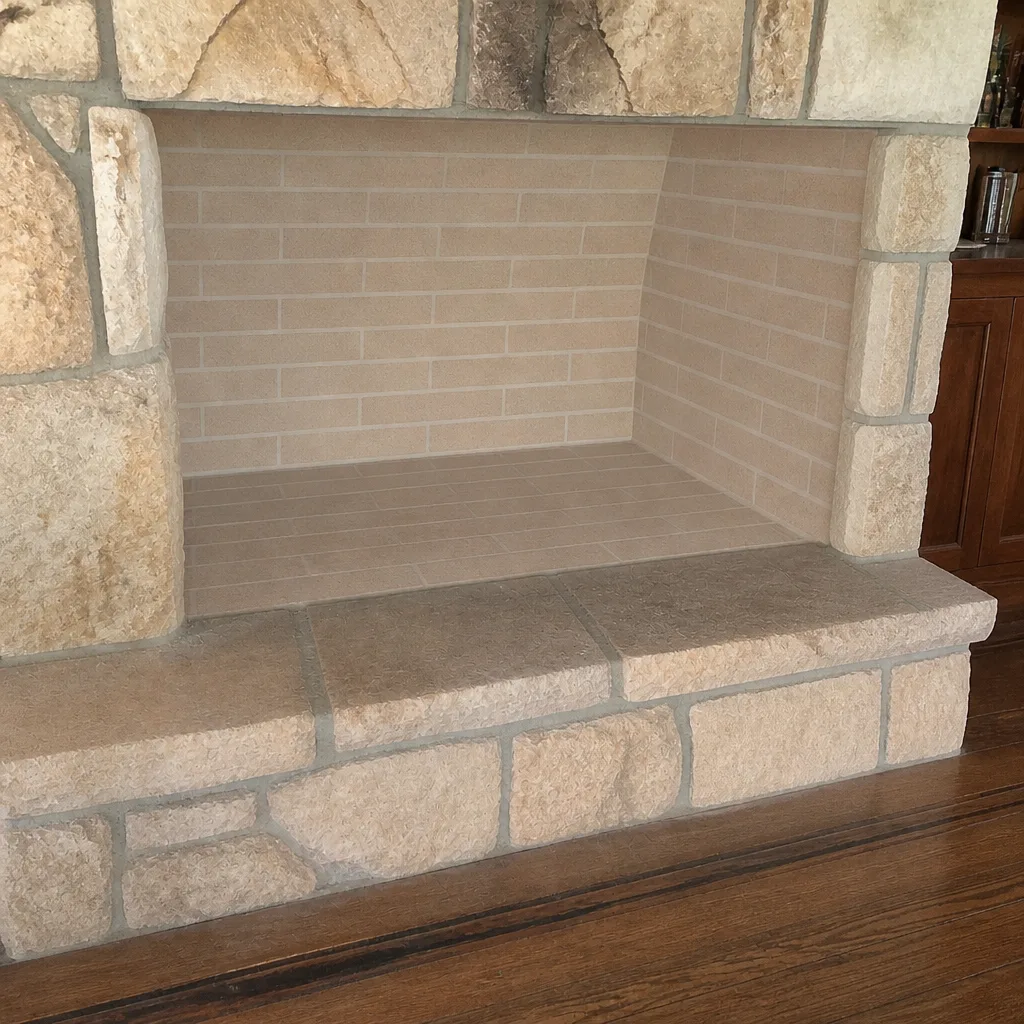
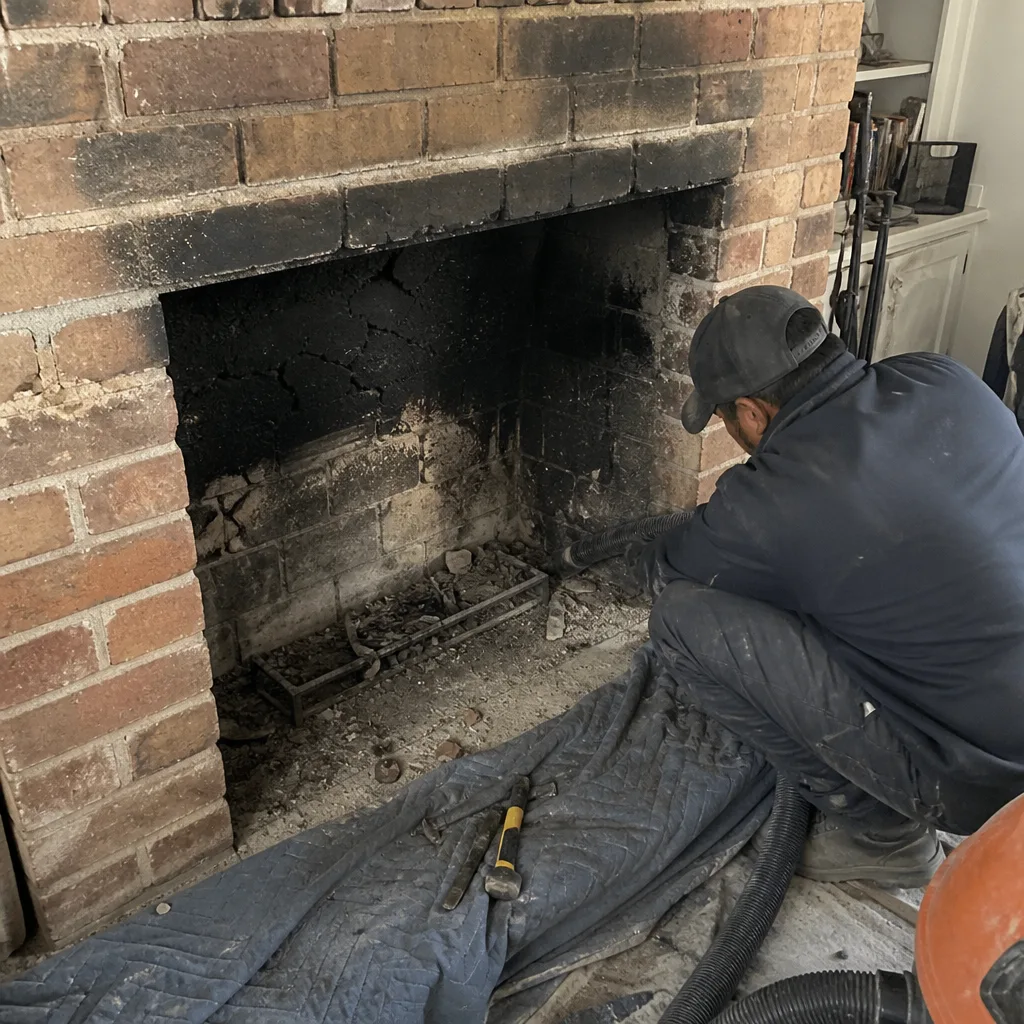
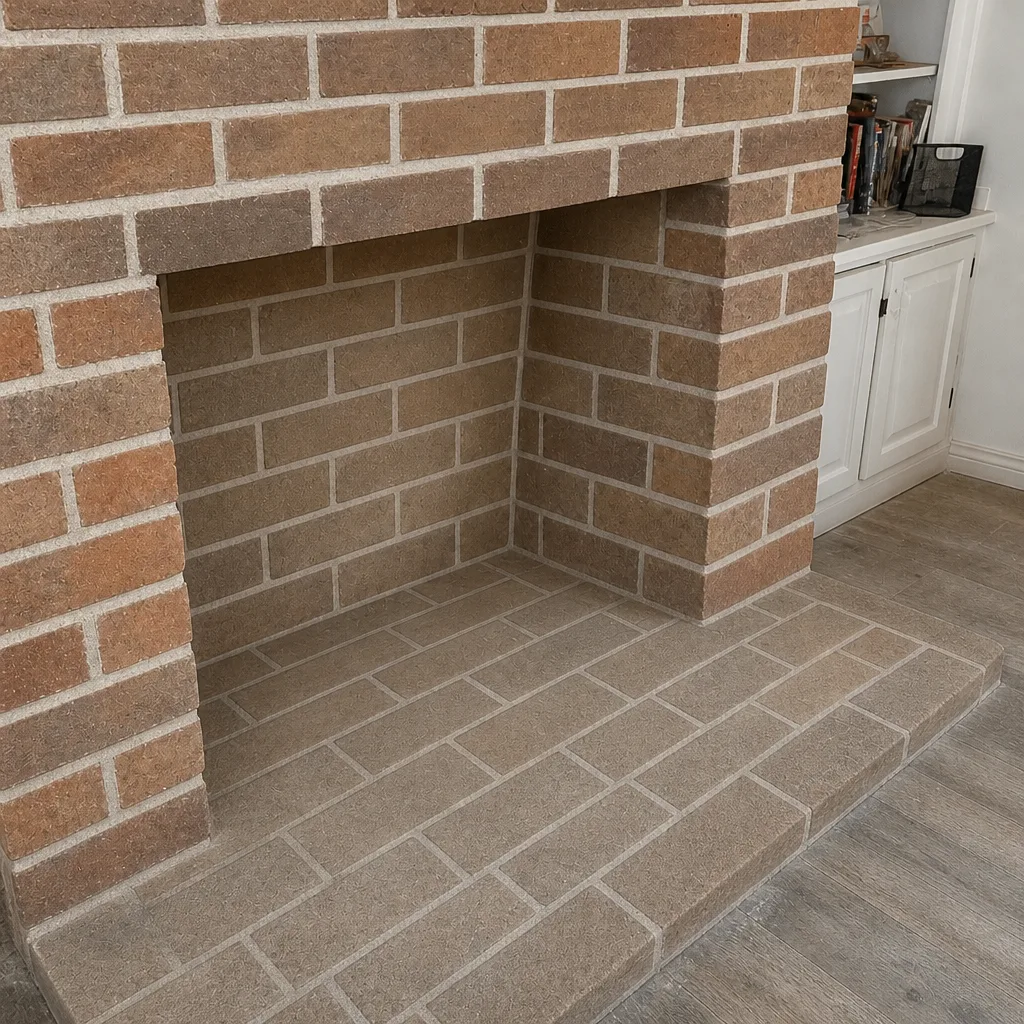
See the difference
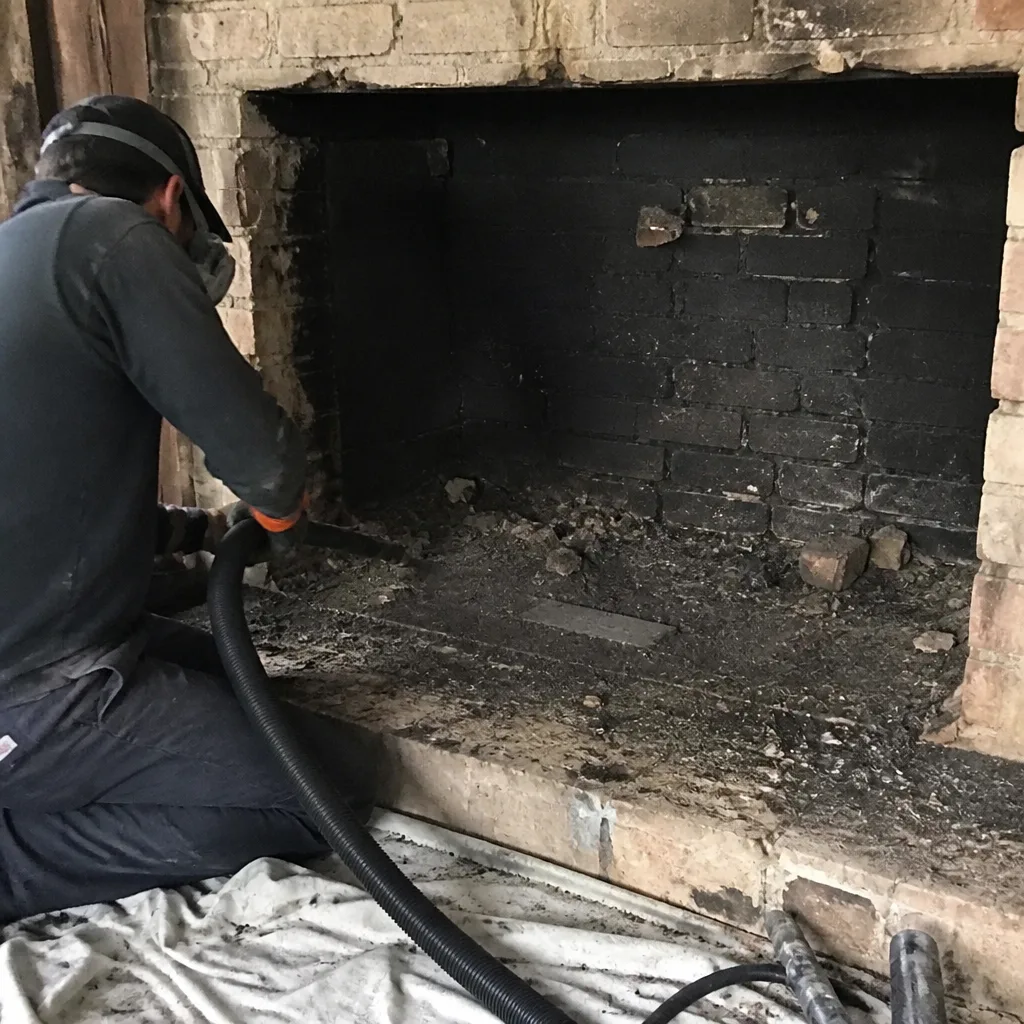 Before
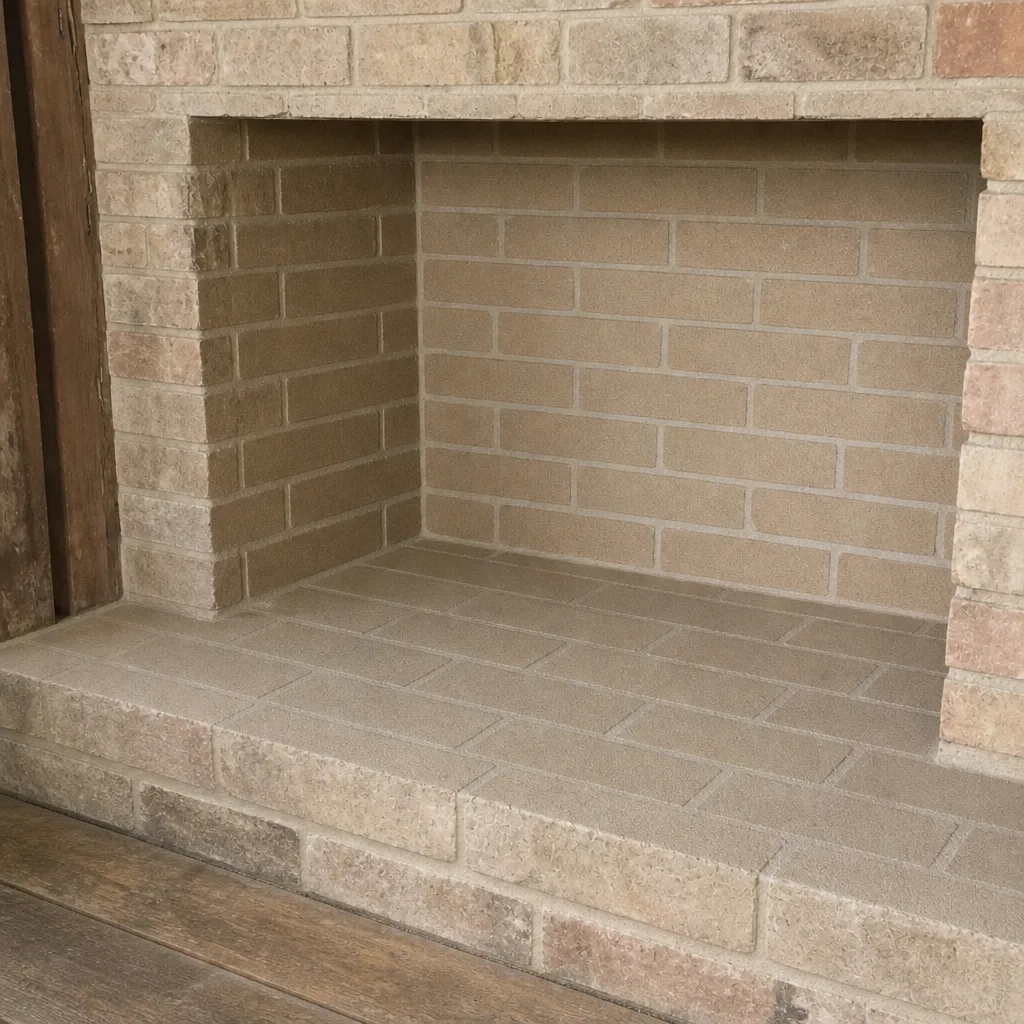 After
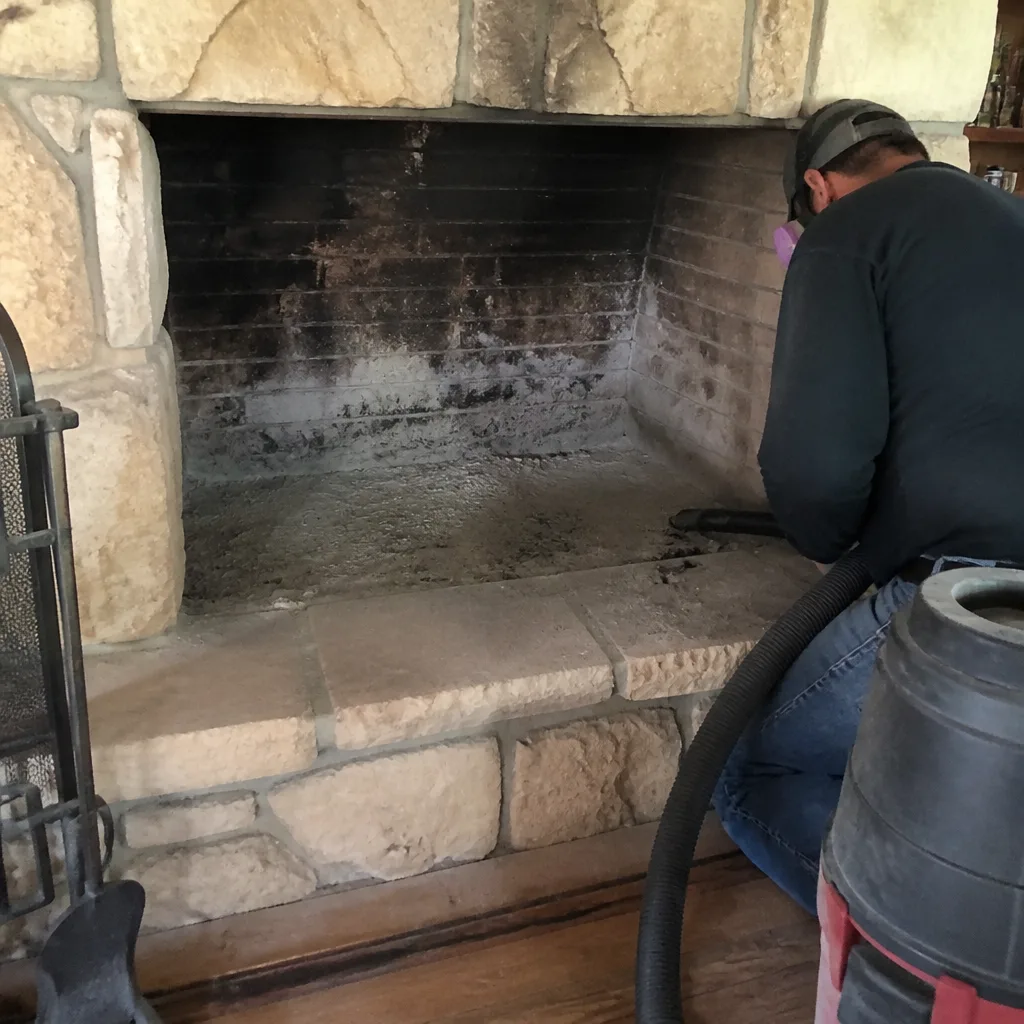 Before
 After
 Before
 After
When to Call a Professional
There are specific situations where a professional should be involved and DIY is not the answer. High-tension components, open flues, and any question of structural integrity are not the place for homeowner troubleshooting. The dangerous parts of chimney work are the parts you can’t see.
Call a professional if you haven’t had a sweep in over a year, if you burned heavily through the last heating season, if you notice a strong smoky smell in the house after use, if the firebox or mantle shows soot streaks, if the damper is stiff or no longer seals, if you see loose mortar or a cracked crown from the ground, or if you’ve moved into a home in El Paso and don’t know when the chimney was last serviced. Call a professional before you light the first fire of the season, not after.
El Paso Chimney Sweep offers free estimates in El Paso – call (888) 849-7238. We answer 24/7. Fast dispatch from 7am to 7pm, Sunday through Friday. If you’re already looking for a specialist to handle the El Paso area, our team has up to 15 years of technician experience and works with HeatShield, Gelco, Olympia Chimney, and Famco materials worth knowing about before the visit.
Frequently Asked Questions
A standard chimney sweep in El Paso typically costs in the range of a general service call, and that price usually includes the sweep itself and a basic inspection. Repair or relining work is quoted separately, in writing, after the technician has seen the interior with a camera. Call (888) 849-7238 for an exact quote – estimates are free.
CSIA certification is the strongest independent evidence available of a technician’s qualifications, but it is not a legal requirement. That means you have to ask for it yourself. A technician who can name the Chimney Safety Institute of America and tell you when their certification was last renewed is showing you something a nonspecific claim cannot. Call (888) 849-7238 with any questions before booking – we answer 24/7.
Most El Paso chimneys should be swept once a year, even if the fireplace only sees occasional use. Intermittent burning actually produces more creosote buildup per fire because the flue runs cooler. If the fireplace is used more than a few times a month through the shoulder seasons, an annual visit is the right baseline. Call (888) 849-7238 to schedule a sweep before the heating season starts.
Skipping annual sweeps lets creosote accumulate, and once it builds to a thick, glazed layer, it becomes fuel for a chimney fire. Beyond the fire risk, an unswept chimney hides developing cracks in flue tiles and mortar that lead to structural damage – and those problems cause more expensive repairs the longer they sit. Call (888) 849-7238 for an inspection with a camera report you can see for yourself – estimates are free.
No. A quote given over the phone without a physical visit, camera inspection, and photo report is a guess, not an estimate. The chimney’s real condition is only visible to a technician who looks up the flue with the right equipment. If a company gives you a repair price sight-unseen, treat that as a red flag. Call (888) 849-7238 to schedule the inspection first – the estimate comes after, in writing.
A sweep-and-repair specialist keeps diagnosis and correction with the same contractor – no second checkup, no gap in accountability, and no second estimate from a company that never saw your chimney. We work with HeatShield, Gelco, Olympia Chimney, and Famco for liner systems, caps, and resurfacing, so the technician who finds the problem can quote and fix it in one relationship. Call (888) 849-7238 to talk through what your chimney needs.
The Bottom Line
The chimney sweep you hire should be checked against three things before you ever let them in the door: certification from a body you can name, the ability to repair what the inspection finds, and a written, itemized estimate backed by photos you can see. El Paso’s mild winters make it easy to forget about the chimney for a season, which is exactly why the annual sweep and inspection matters as a habit, not a crisis response. Ask the questions on this list, insist on camera evidence before any repair quote, and treat a phone-only price as a reason to hang up. When you’re ready to book, the El Paso Chimney Sweep team can walk you through the process from the first call.
Contact us today at (888) 849-7238 for a free estimate. We answer 24/7. Fast dispatch from 7am to 7pm, Sunday through Friday, and we’re closed Saturday. If we can’t get to you immediately, we’ll book you into the next available opening.
Written by the team at El Paso Chimney Sweep.