
Last updated November 14, 2026
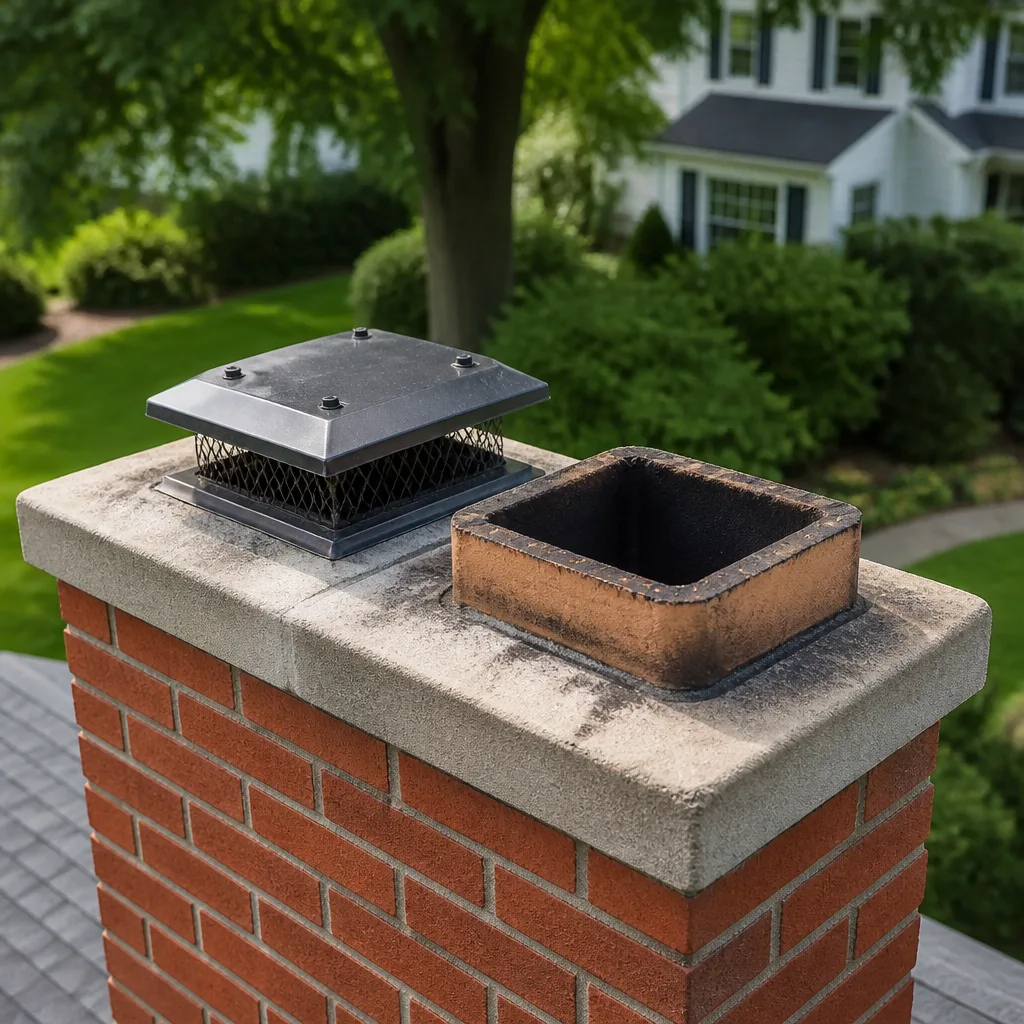 Sweep & inspection
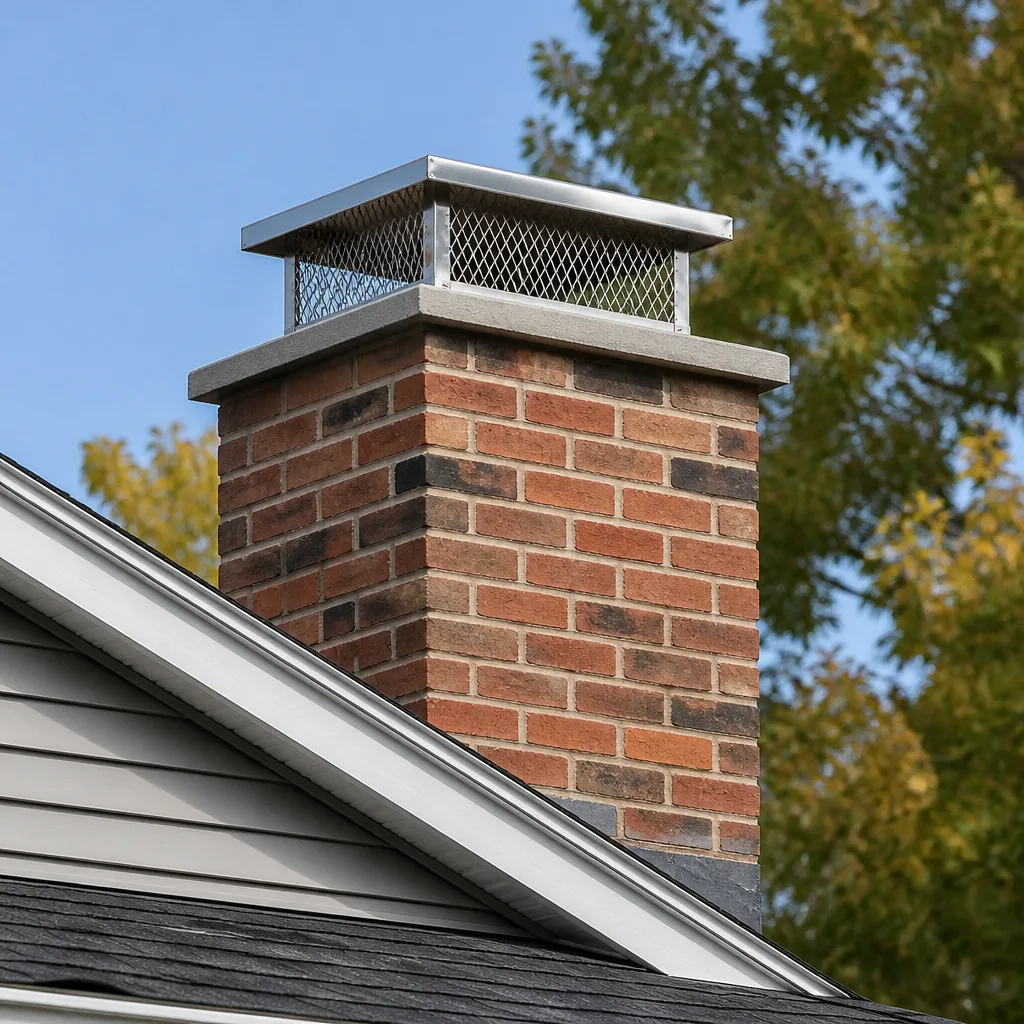 Caps & crowns
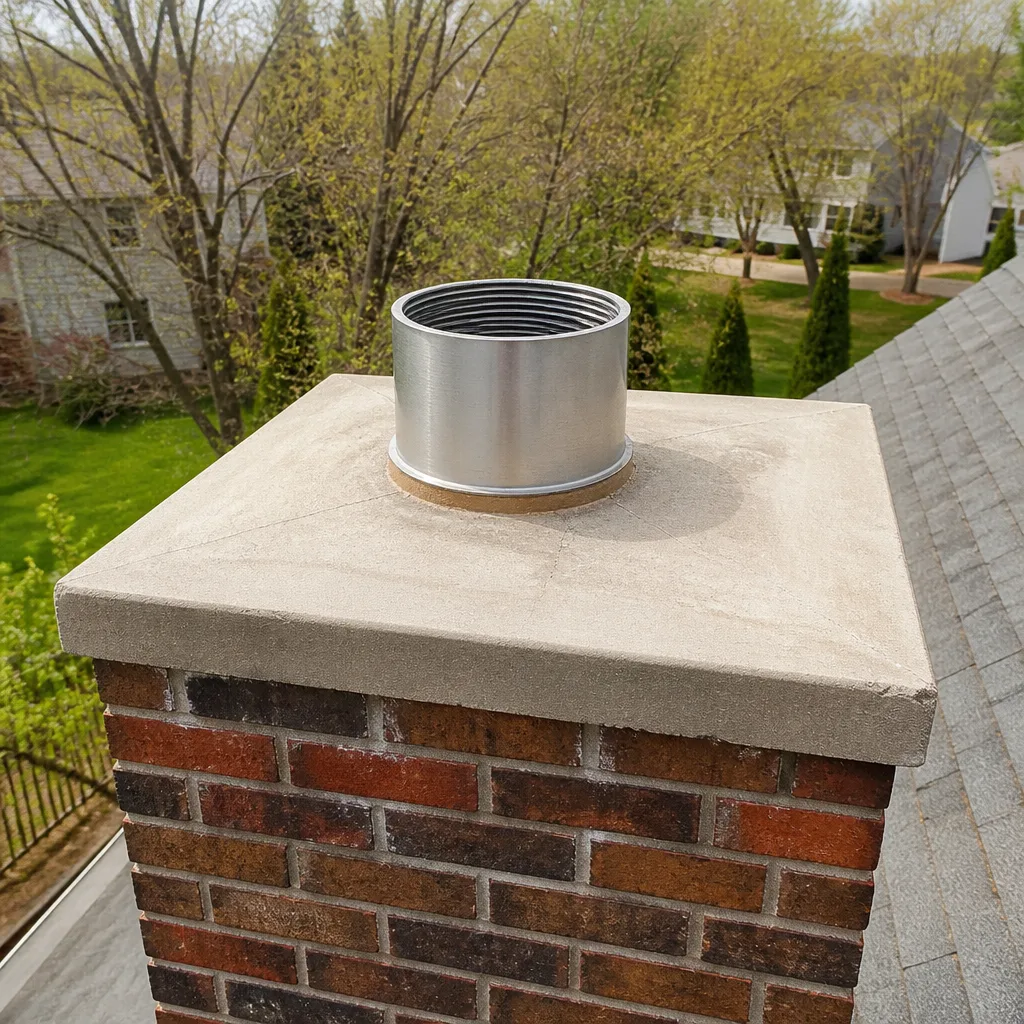 Flue relining
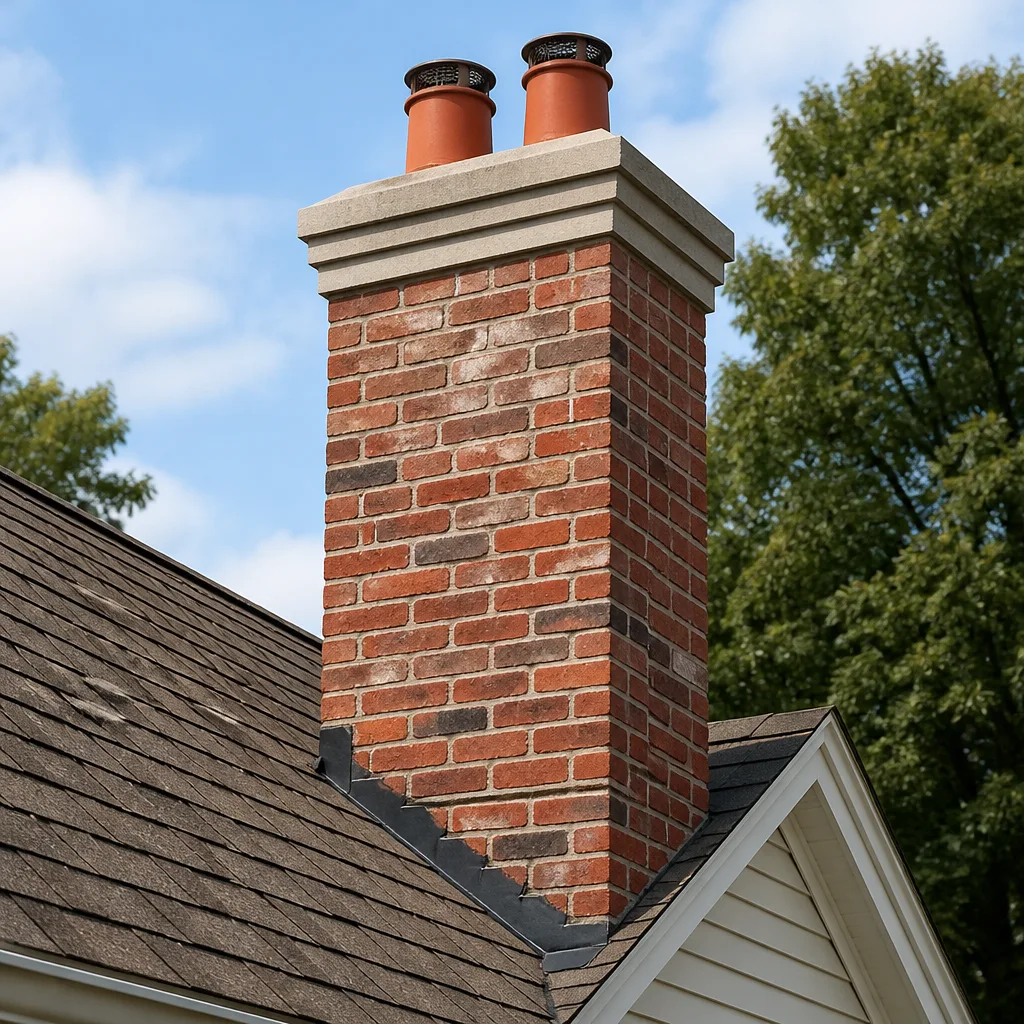 Masonry repair
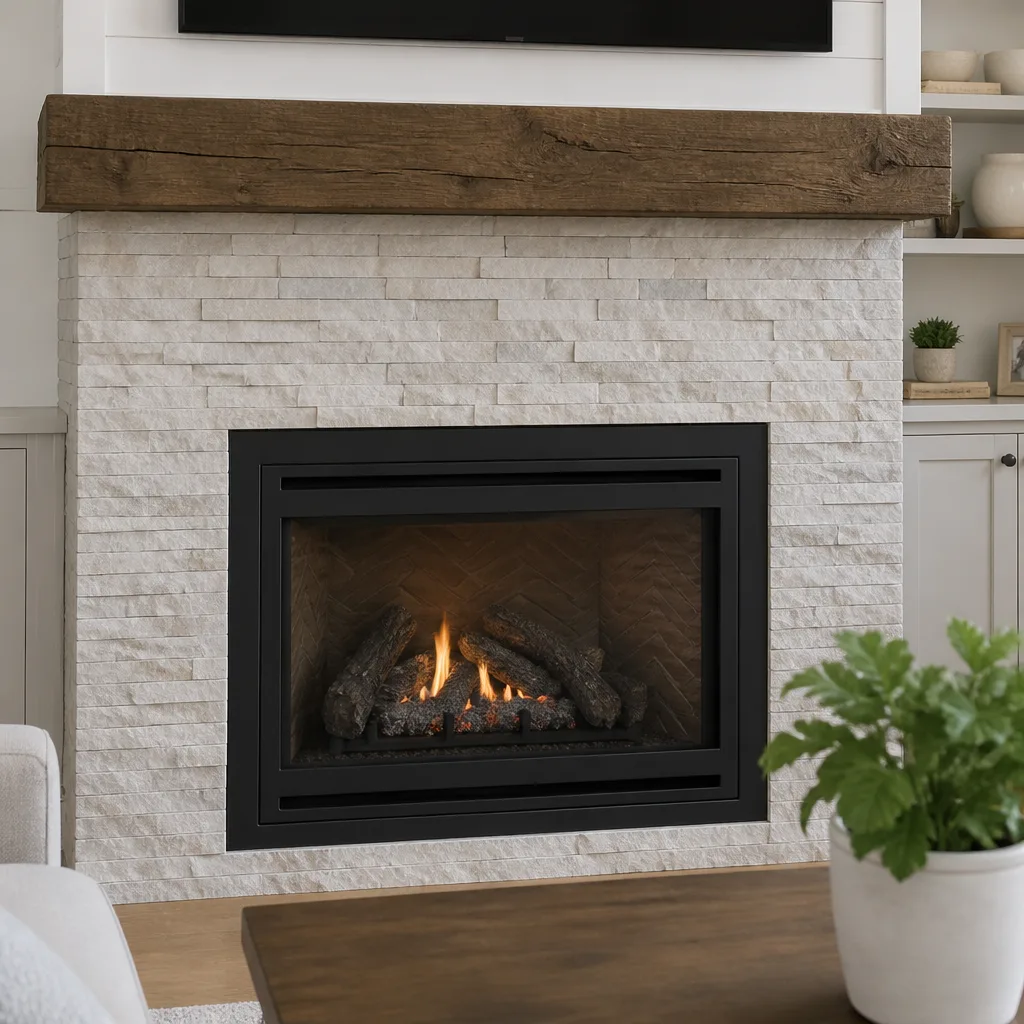 Gas fireplace service
Level 1 sweep and inspection to the NFPA 211 annual standard - flue, crown, cap, and flashing checked and photographed
Chimney sweep logs do not sweep chimneys. They loosen some creosote - which then falls where a brush and vacuum still have to collect it.
Chimney Cleaning Permits, Codes & Inspections in El Paso, TX: What You Need to Know
Most homeowners assume chimney work is entirely permit-free, and for a basic sweep, they’re right. But that assumption quietly breaks the moment a job crosses from maintenance into liner repair, chase reconstruction, or a fireplace insert installation. Texas and El Paso city code requirements kick in at that line, and work done without them can sit unnoticed in a house for years – until a home inspector flags it during a sale, and you’re suddenly renegotiating price or pulling permits retroactively under a buyer’s deadline. This guide maps exactly where the line sits. You’ll learn which chimney services in El Paso need a city permit and which are plain maintenance, what the venting codes actually require in plain language, and how to verify that work on your chimney was permitted and passed inspection.
Quick Answer
A routine chimney sweep in El Paso does not require a permit – it’s classified as maintenance. Permits become necessary when the work changes the structure or venting system: liner replacement, chase or masonry reconstruction, and new fireplace insert installations all typically require a city permit and inspection through the El Paso City Development Department. Any contractor doing that structural work should be able to tell you which permit applies before the job starts. If they can’t, that’s your answer.
Styles & brands we work with
- Sweep & inspection
- Caps & crowns
- Flue relining
- Masonry repair
- Gas fireplace service
Table of Contents
- Where the Permit Line Falls: Maintenance vs. Construction
- What Texas Mechanical Code and the IRC Require for Venting
- How El Paso Handles Chimney Permits and Inspections
- Code-Compliant Venting: Wood-Burning vs. Gas Appliances
- How to Verify Permitted Work – and What to Do If It Wasn’t
- Why El Paso’s Climate and Housing Stock Change the Conversation
- What a Sweep Covers, and Where Inspection Begins
Where the Permit Line Falls: Maintenance vs. Construction
Here’s the distinction that matters most, and it’s simpler than most people expect. Permits follow the structure, not the soot. Cleaning the inside of a flue is maintenance. Changing what the flue is made of, or how the appliance connects to it, is construction.
A standard sweep – brushing the flue, removing creosote, checking the cap and the firebox – doesn’t alter your chimney’s structure or its venting pathway. Nothing about it needs a permit, and no city inspector needs to see it. The same is true of a dryer vent cleaning, even though that’s a separate system with its own fire risk.
The moment the scope shifts, so does the paperwork:
- Liner replacement or relining changes the venting system itself. In El Paso, this typically requires a permit.
- Chase reconstruction or masonry repair that affects the chimney’s structure falls under construction permitting.
- Fireplace insert installation – wood or gas – connects a new appliance to the venting system and usually needs both a permit and an inspection.
- Flue resurfacing with a product like HeatShield is a gray area worth asking about directly. It restores the existing flue rather than replacing it, but because it changes the interior surface the appliance vents through, it’s worth confirming the local requirement before work begins.
If you’re hiring a company for a straightforward chimney sweep, the permit question shouldn’t come up at all. If it does come up, you’re not buying a sweep anymore – you’re buying construction work, and it should be treated that way.
What Texas Mechanical Code and the IRC Require for Venting
Chimney venting in Texas is governed primarily by the International Residential Code (IRC), adopted and amended at the state and local level and enforced locally. You don’t need to memorize code sections to protect yourself, but you should understand what the code is actually trying to accomplish, because it explains why certain jobs need inspection.
The IRC’s venting chapters exist to answer one question: does combustion exhaust leave the house safely, every time, under real conditions? That breaks down into a handful of practical requirements:
- A continuous, intact flue pathway. The vent has to run from the appliance to the termination point without gaps, breaks, or offsets that trap exhaust.
- Correct sizing for the appliance. A flue that’s too large for the appliance runs cold and drafts poorly; one that’s too small won’t carry the exhaust volume. Sizing is matched to the appliance’s venting requirements, which is why replacing a liner isn’t a generic job.
- Proper termination. The chimney has to terminate at the correct height above the roof and away from openings, so exhaust doesn’t re-enter the home.
- Clearance from combustibles. The venting system must maintain the required separation from wood framing and other combustible material. This is a large part of why liner systems are tested and listed as assemblies.
- Listed and labeled components. Liners, caps, and connectors are supposed to be manufactured and tested to recognized standards – which is why the brand of material going into your chimney matters. A liner system from DuraFlex or Olympia Chimney is a tested assembly. A generic flexible pipe from an unknown source is not the same product, even if it looks similar in a photo.
When a job involves relining, the code question and the inspection question are the same question: has an independent party confirmed this assembly meets the requirements? That’s the whole point of the permit and the inspection that follows it.
How El Paso Handles Chimney Permits and Inspections
Chimney-related permits in El Paso run through the El Paso City Development Department, the same office that handles residential construction permits generally. Chimney work isn’t carved out into its own separate system – it’s processed as part of residential construction permitting, which means the process is standard even though the trade is specialized.
Here’s how the sequence usually goes for a permitted chimney job:
- Scope is defined and the permit type is identified. The contractor determines whether the work is a liner replacement, structural repair, or appliance installation, and files the matching permit application.
- The permit is issued before work begins. Permits are pulled up front, not after the fact. A contractor who offers to “handle the permit later” is telling you something.
- Work is performed to the permitted scope. The scope on the permit should match what’s actually being installed or repaired.
- Inspection is scheduled and completed. The city inspects the work – typically the concealed portions first, then the finished assembly – before the job is signed off.
- The job is closed out. A passed inspection leaves a record attached to the property, which is exactly what you want if you ever sell.
Inspections are scheduled through the Development Department, and timing depends on their queue rather than your contractor’s calendar. It’s worth asking any contractor doing structural chimney work in El Paso to tell you, before the job starts, which permit applies and roughly how the inspection gets scheduled. A specialist who does this work routinely should answer without hesitation. If you want a sense of how we sequence repairs around that process, our main page on El Paso Chimney Sweep lays out the services.
Code-Compliant Venting: Wood-Burning vs. Gas Appliances
“Code-compliant” means different things depending on what’s burning in the fireplace. Wood-burning appliances and gas appliances vent under different requirements, and the inspection criteria aren’t interchangeable.
Wood-burning systems are judged primarily on their ability to contain a hot fire and creosote-laden smoke. That means a masonry or listed flue designed for solid fuel, proper clearances to framing, a full-height liner in good condition, a correctly fitted cap, and enough draft to carry smoke up and out. Creosote accumulation is part of the compliance picture too: a flue that sweeps clean is one thing, a flue loaded with glazed creosote is a fire risk that no permit can fix. When a wood flue has deteriorated, resurfacing with a product like HeatShield can restore its interior surface where the walls are still structurally sound, which is a different repair than a full reline.
Gas appliance venting is governed by its own requirements, because gas exhaust is different in temperature and composition. A gas insert needs venting listed for that appliance, proper draft, and correct termination. Problems here tend to be subtler than with wood – a gas vent can look fine and still spill exhaust into a room under the wrong conditions. That makes carbon monoxide the real concern, and it’s the reason gas appliance installations belong in the permitted, inspected category.
One practical point for El Paso homeowners: a house that once had a wood fireplace and later got a gas insert may have had that conversion done under a different code cycle, or not permitted at all. When we inspect a chimney and see a gas appliance venting through a system built for solid fuel, that’s a question worth resolving before the next heating season rather than after.
How to Verify Permitted Work – and What to Do If It Wasn’t
Verifying that chimney work was permitted is straightforward, and the records belong to the property, not the contractor. You start with the city, not with the company that did the job.
- Contact the El Paso City Development Department and ask for the permit history on your address. You want to know whether a permit was issued for the chimney or venting work, and whether it was inspected and closed out.
- Match the permit to the work. A permit for “masonry repair” that doesn’t mention a liner replacement isn’t proof the liner work was permitted. The scope has to line up.
- Compare what’s physically installed against what the paperwork says. Brand, type, and installation details should be consistent.
If you find prior work that wasn’t permitted – a common discovery during home sales, when an inspector’s report surfaces a liner with no paper trail – the fix isn’t panic. It’s a sequence:
- Have the existing work professionally inspected so you know what’s actually installed and whether it’s serviceable.
- If the work is structurally sound and code-compliant, ask the city what’s required to bring it into the record, which may involve a retroactive permit and inspection.
- If it isn’t compliant, the correction gets scoped, permitted, and inspected properly this time.
This is why we install liner systems from brands like DuraFlex and Olympia Chimney and keep the documentation – the materials are tested assemblies, and the paper trail matters as much as the steel when a house changes hands. In our experience, a missing permit surfaces at two moments: during a sale, and after a problem. Neither is a good time to discover it.
Why El Paso’s Climate and Housing Stock Change the Conversation
El Paso sits in the Chihuahuan Desert, and desert conditions put a different kind of stress on a chimney than the wet, cold climates most chimney advice is written for. Dry air and sun aren’t the threat. The swing is.
Warm days and cold winter nights work a masonry chimney’s exterior through repeated thermal cycling. Stucco and masonry at the chimney crown and shoulders crack over time, and a cracked crown lets water into the structure during the summer monsoon season, when El Paso gets most of its yearly rain in a short window. That’s a slow problem – a crown crack doesn’t fail loudly – and it’s often what a sweep finds first when we’re up on the roof.
Housing stock matters too. El Paso has a deep inventory of older adobe and masonry homes alongside newer construction, and these two categories reach the code question from different directions:
- Older masonry chimneys often have unlined or clay-tile-lined flues that predate modern liner requirements. When they’re sound, resurfacing can extend their life; when they’re not, the reline is the real conversation – and a permitted one.
- Newer construction typically has a factory-built metal chimney or a listed liner, where the venting system’s compliance depends on the listed assembly being installed as specified, with the correct cap and components from a maker like Gelco or Famco rather than whatever fit at the time.
Wood smoke matters differently here too. In a desert city where the heating season is short, many wood-burning fireplaces sit idle most of the year, which means creosote deposits can age and dry between burns – and that’s the state in which a flue fire is more likely, not less. A yearly look at the flue before the heating season starts is cheap compared to the alternative.
What a Sweep Covers, and Where Inspection Begins
A sweep is maintenance, and the scope is defined by what it removes rather than what it changes. Here’s the practical difference between a cleaning and a true inspection, because the two get blurred in advertising.
A sweep covers: brushing the flue to remove creosote and soot, clearing the firebox, checking the damper, the cap, and the firebox for obvious cracks or obstructions, and – on our end – a camera look at what the brush can’t show you. What it doesn’t do is decide the chimney’s future. That’s what an inspection does.
An inspection goes further: it assesses the liner’s condition, the flue’s internal surface, the crown and masonry at the roofline, the venting assembly for a gas appliance, and whether any of it complies with current requirements. It’s the step that tells you whether you’re looking at a sweep-and-carry-on situation or a repair that needs a permit.
For dryer vent cleaning, the same logic applies. Lint accumulation in a dryer duct is a leading cause of residential house fires, and clogged vents are maintenance territory – but a dryer vent that’s crushed, improperly terminated, or routed through a space it shouldn’t be may need a correction that goes beyond cleaning.
We do all three of these services – chimney sweep, chimney repair, and dryer vent cleaning – and we repair what we find, so you’re not handed off to a second contractor when the inspection turns up something. That’s the reason we carry professional-grade materials from HeatShield, Fakmo, Gelco, and Olympia Chimney: so the diagnosis and the correction come from the same place.
Key Takeaways
- A routine chimney sweep in El Paso is maintenance and doesn’t require a permit.
- Liner replacement, chase reconstruction, and fireplace insert installation generally do require a permit through the El Paso City Development Department.
- Permits belong to the property, not the contractor – the records are available to you before you ever hire anyone.
- Wood-burning and gas appliance venting are governed by different requirements, and gas systems deserve particular attention for carbon monoxide risk.
- Unpermitted work tends to surface during a home sale, so verifying the record early is far cheaper than renegotiating later.
See the difference
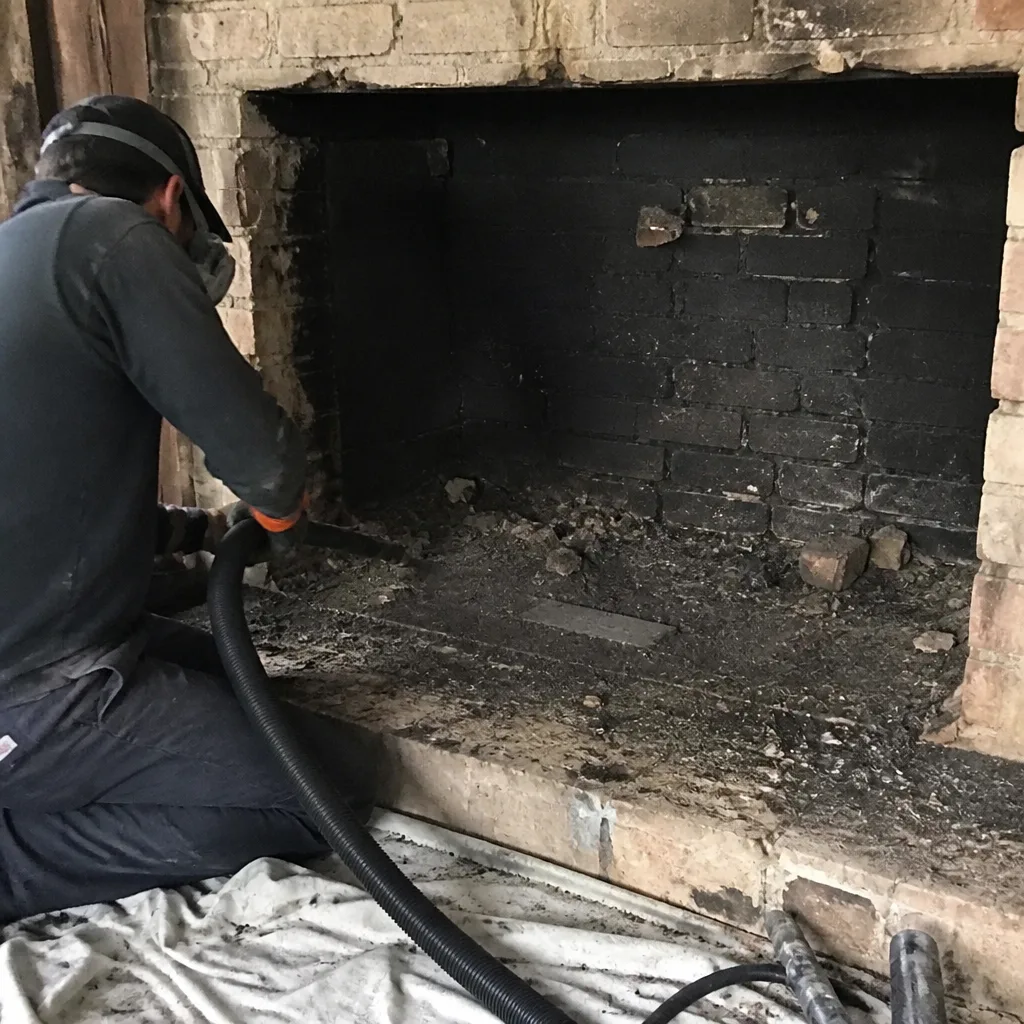 Before
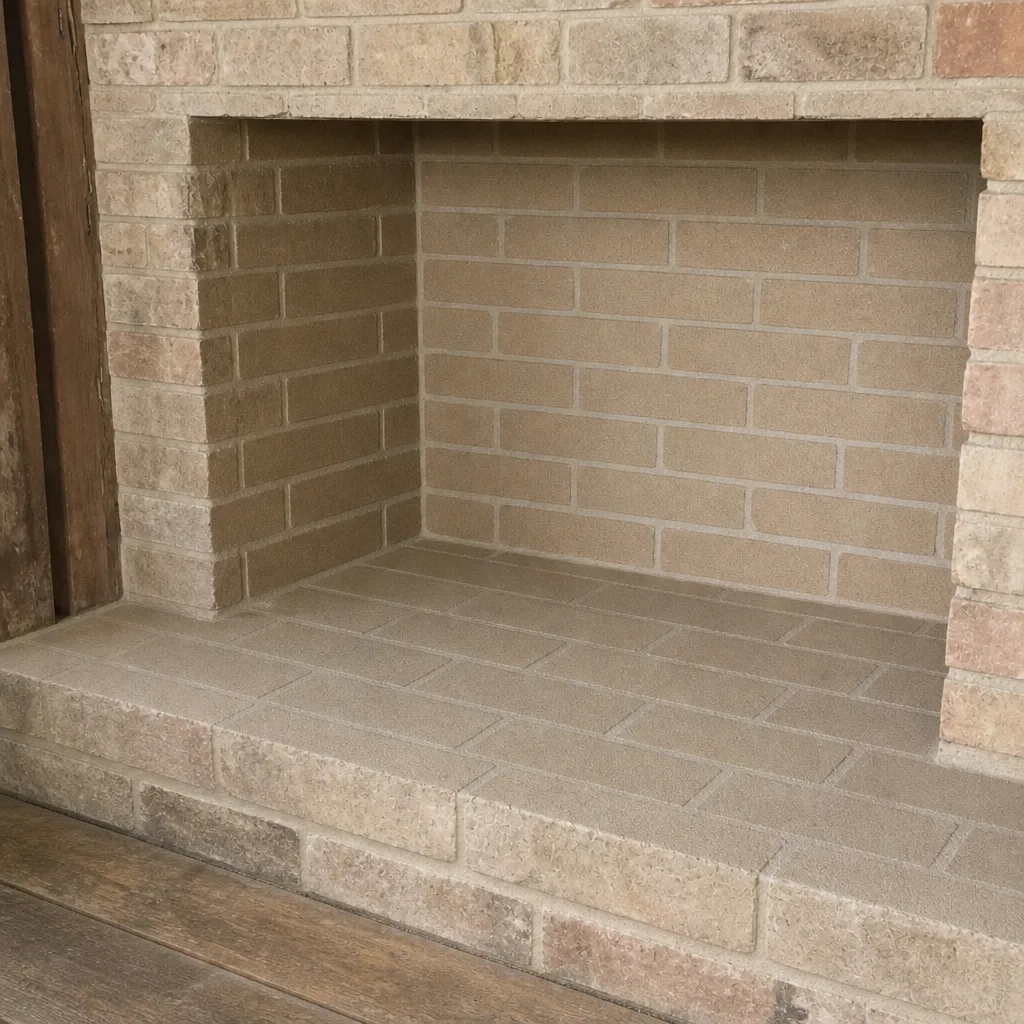 After
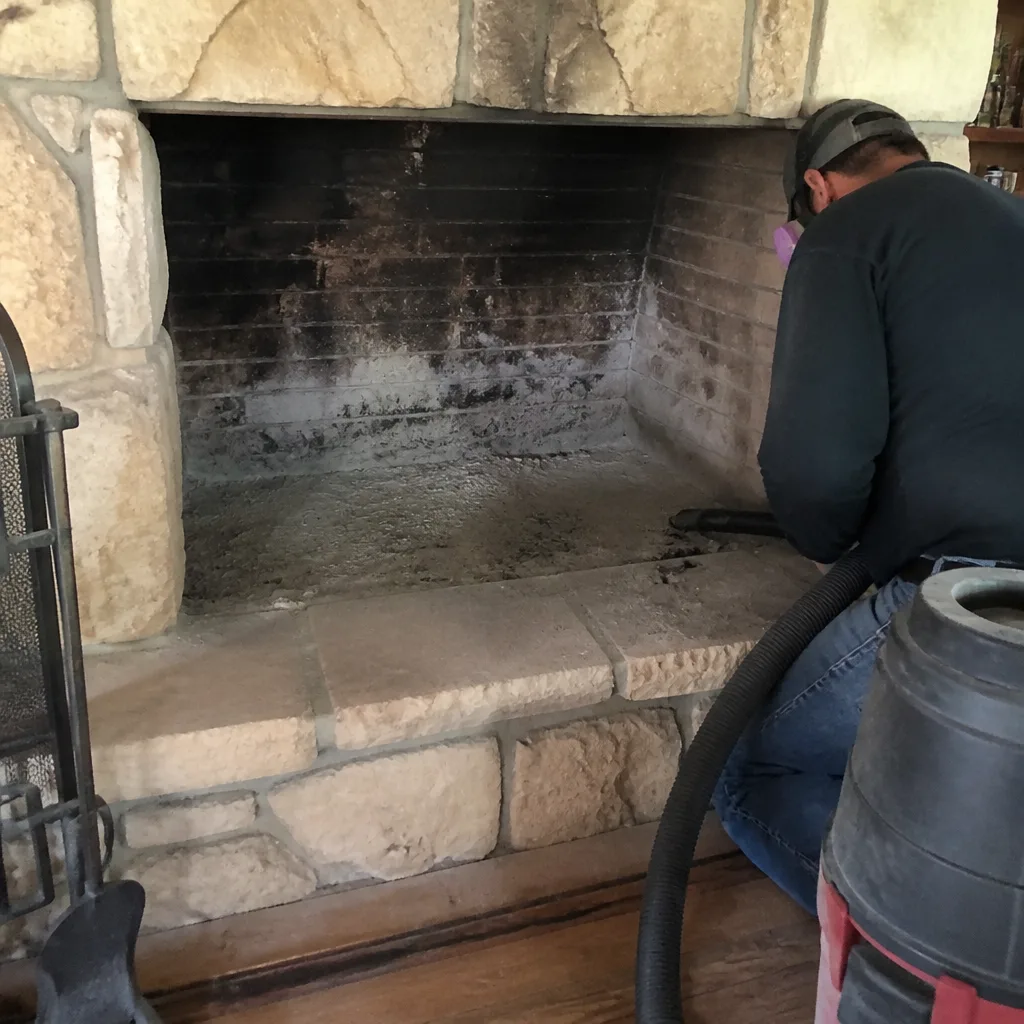 Before
 After
 Before
 After
Common Mistakes to Avoid
- Assuming all chimney work is permit-free. A sweep is. A liner replacement isn’t. Treating them as the same category is how unpermitted work gets installed in the first place.
- Accepting “we’ll pull the permit after.” Permits for structural chimney work are supposed to be issued before the work starts. A contractor who offers to handle it afterward is offering you a liability.
- Confusing a sweep with an inspection. A brushed flue tells you it’s clean. It doesn’t tell you the liner is intact or that the venting complies. If nobody looked with a camera and wrote it down, you don’t have an inspection.
- Skipping the permit lookup when buying an El Paso home. Ask the Development Department for the permit history on the address before closing. Chimney work often isn’t on the seller’s disclosure, and it isn’t always on the buyer’s radar either.
- Installing an insert without matching the venting. A gas or wood insert connected to a flue not listed for that appliance is a code issue and a safety issue at the same time – and the record doesn’t exist if nobody pulled a permit.
- Assuming the short heating season means low risk. In El Paso, a wood fireplace that sits unused most of the year can carry dried creosote from season to season. Idle isn’t clean.
- Taking brand claims on faith without the documentation. Materials from a maker like HeatShield or DuraFlex come with the paperwork. If the liner has no documentation, treat it as unknown until inspected.
When to Call a Professional
Some jobs are a brush and a camera. Others aren’t, and knowing the difference protects your home and your paperwork. Call a professional when:
- You’re planning any work that changes the venting system – relining, insert installation, or converting a wood fireplace to gas.
- Your chimney shows interior damage, visible cracks in the flue, or a damaged crown at the roofline.
- Smoke back-drafts into the room, or a gas appliance produces odd odors or headaches after use.
- You’re buying or selling a home in El Paso and the chimney’s permit history is unknown.
- It’s been more than a year since the last sweep, or creosote has built up heavily between burns.
- Your dryer is taking longer than it used to, or the vent termination is blocked – a El Paso household issue worth treating as a fire risk until checked.
El Paso Chimney Sweep offers free estimates in El Paso – call (888) 849-7238. We’ll tell you what your chimney actually needs, and whether it needs a permit to get there. Our technicians have up to 15 years of experience.
Frequently Asked Questions
No. A standard chimney sweep in El Paso is maintenance and does not require a city permit. Permits apply when the work changes the chimney’s structure or venting system, such as a liner replacement, chase reconstruction, or an insert installation. Call (888) 849-7238 for an exact quote – estimates are free.
Yes, in most cases. A liner replacement changes the venting system, which triggers residential permitting through the El Paso City Development Department and an inspection afterward. Ask your contractor which permit applies and confirm it’s pulled before work begins. Call (888) 849-7238 – estimates are free.
The El Paso City Development Department handles residential permits and inspections, including chimney-related work. Permits are filed before the work starts, and the inspection is scheduled through the department’s queue – so the timeline depends on the city, not just the contractor. Call (888) 849-7238 with questions about your project’s scope.
Request the permit history for your address from the El Paso City Development Department. You’ll see whether a permit was issued, whether it matched the work performed, and whether it was inspected and closed out. If the record is missing or the scope doesn’t match, have the work professionally inspected before deciding on corrections. Call (888) 849-7238 to book that inspection.
A sweep removes creosote and soot; it doesn’t evaluate the liner, the crown, or code compliance. When we sweep, we also use a camera to see what the brush can’t, and we tell you plainly if the flue is sound or if repair comes into the picture. Call (888) 849-7238 to schedule a look before the heating season.
Wood-burning and gas venting are governed by different code requirements. Wood systems are judged on containment of a hot fire and creosote buildup; gas systems are judged on proper draft and termination because carbon monoxide is the concern. An insert connected to venting not listed for it is a code and safety problem. Call (888) 849-7238 to have yours checked.
The Bottom Line
The permit question in El Paso comes down to one distinction: does the work change the chimney, or just clean it? Cleaning is maintenance, and it doesn’t need a permit. Relining, rebuilding, or installing an insert does, and the permit and inspection record belongs to your property. Verify it before you hire and before you sell. Use materials from recognized makers like DuraFlex or Olympia Chimney, and make sure the installation documentation matches. Most of what makes a chimney safe is invisible from the living room – which is exactly why the paperwork, the camera, and the inspection record matter as much as the flame.
El Paso Chimney Sweep offers free estimates in El Paso. Call (888) 849-7238. We answer 24/7. Fast dispatch from 7am to 7pm, Sunday through Friday.
Written by the team at El Paso Chimney Sweep.