
Last updated November 14, 2026
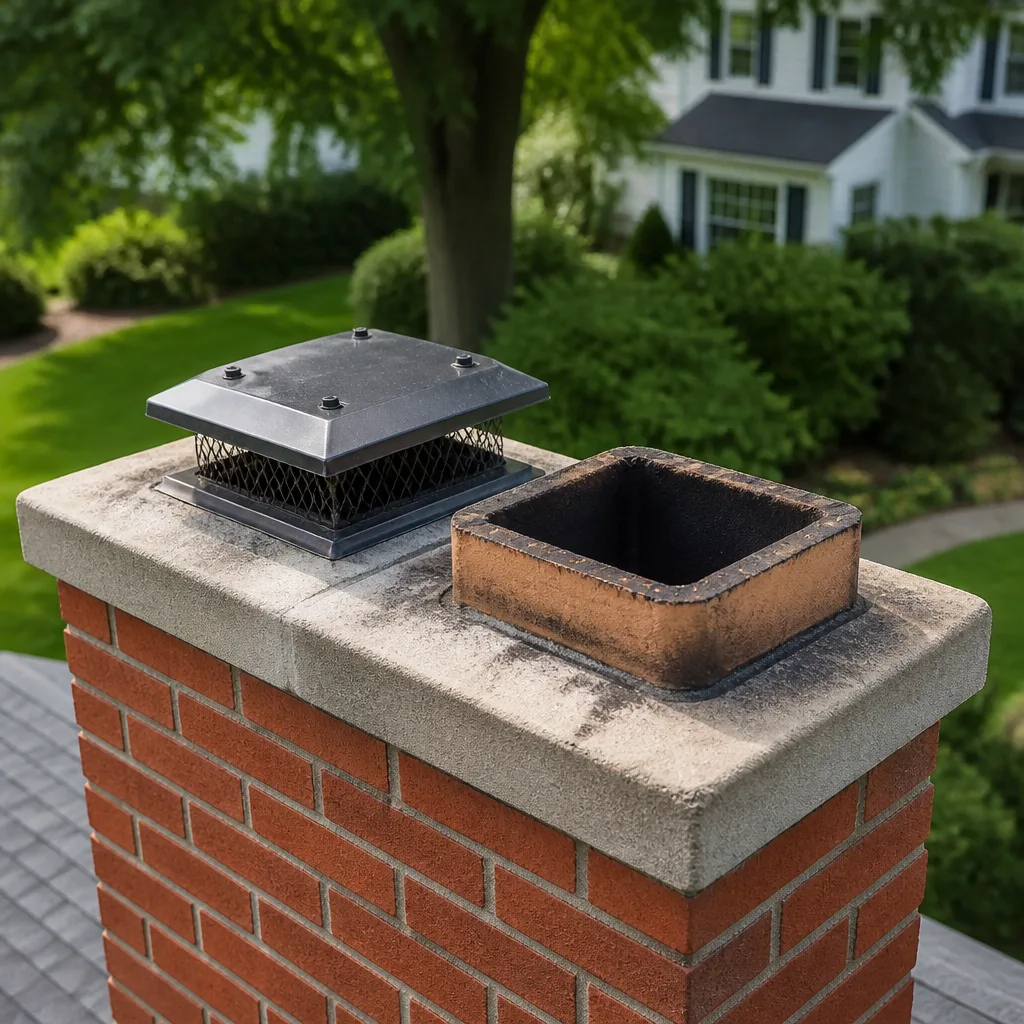 Sweep & inspection
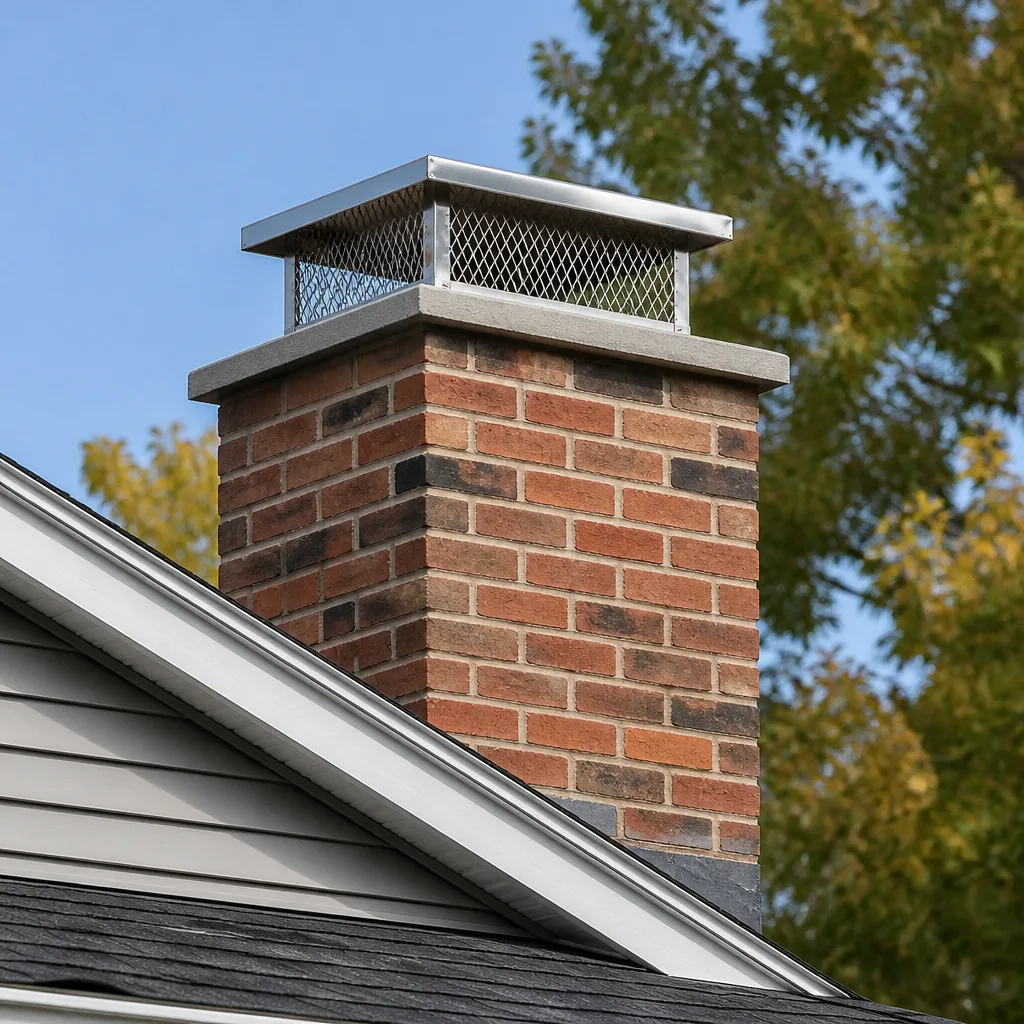 Caps & crowns
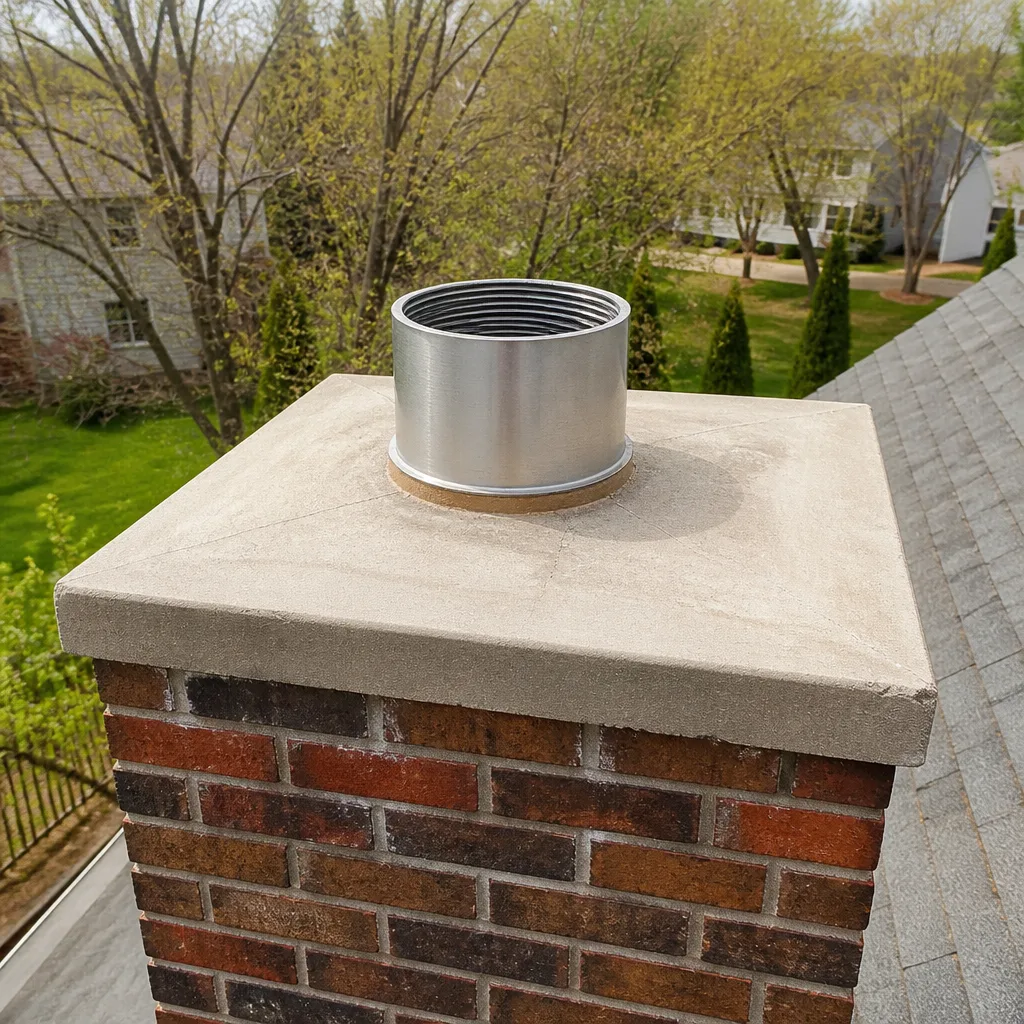 Flue relining
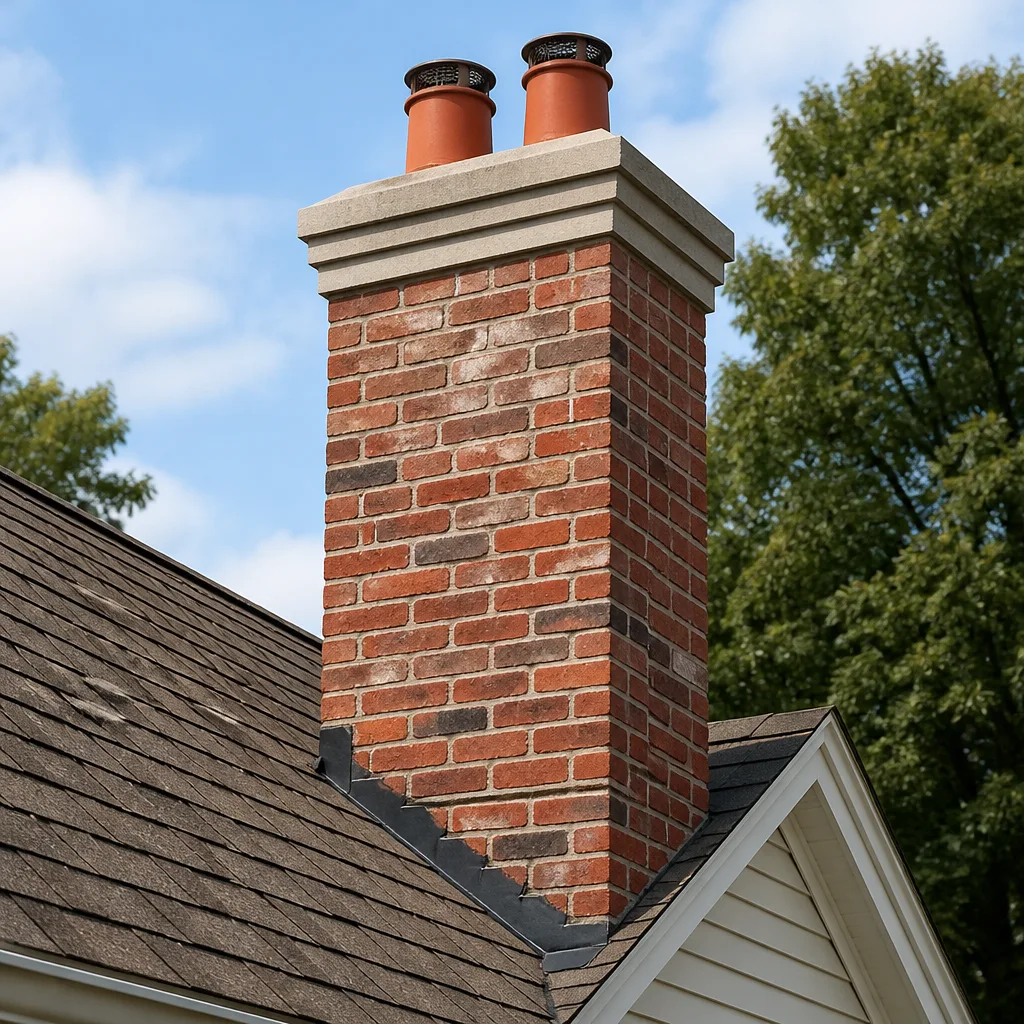 Masonry repair
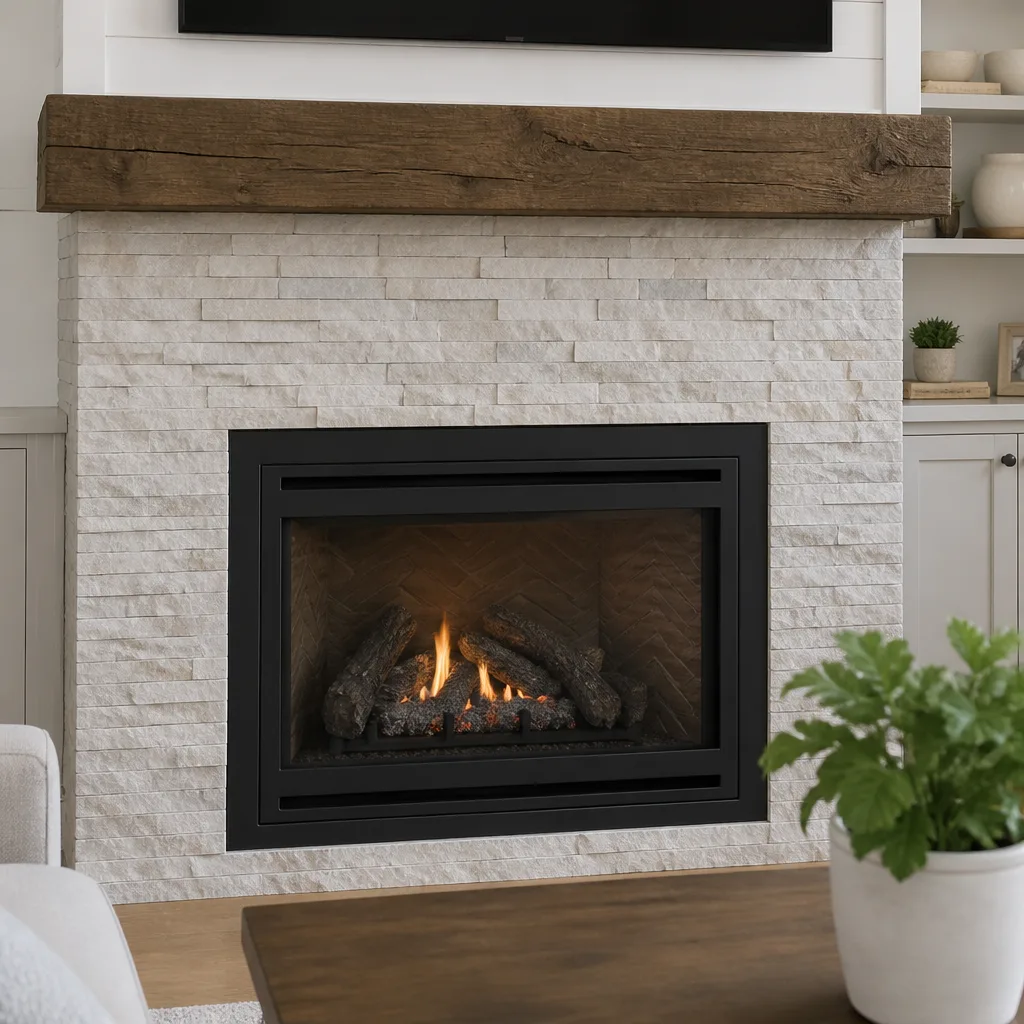 Gas fireplace service
Level 1 sweep and inspection to the NFPA 211 annual standard - flue, crown, cap, and flashing checked and photographed
Chimney sweep logs do not sweep chimneys. They loosen some creosote - which then falls where a brush and vacuum still have to collect it.
Chimney Sweep Maintenance Schedule: What to Do and When
Most chimney advice you’ll find online is written for a house that burns four or five cords of hardwood every winter. El Paso doesn’t work that way. Our fireplace season runs roughly November through February, and a lot of homes burn mesquite, which is dense, hot-burning wood that can deposit more creosote from a single cord than softer hardwoods leave behind over a longer season. So the “sweep it once a year in the fall and forget it” rule doesn’t map cleanly onto how homes here actually run. This guide lays out a maintenance calendar built around El Paso’s short burn season, our late-summer monsoon moisture, and the gas appliances that vent year-round whether anyone thinks about them or not. You’ll learn what to do each month, what you can check yourself, and when to bring in a professional.
Quick Answer
In El Paso, a wood-burning chimney should be swept once a year before the burn season, ideally in October, plus a cap inspection after the monsoon rains in September and a mid-season check in January. Gas fireplace inserts, furnace flues, and dryer vents follow a different rhythm and should be inspected on their own schedule, at least annually, because they run year-round rather than during a short winter window.
Styles & brands we work with
- Sweep & inspection
- Caps & crowns
- Flue relining
- Masonry repair
- Gas fireplace service
Table of Contents
- Why El Paso’s Chimney Schedule Differs From National Advice
- The Month-by-Month Calendar
- The Mesquite Factor: How Local Firewood Changes Your Creosote
- Gas Inserts and Furnace Flues: The Schedule Nobody Follows
- Dryer Vents: The Other Vent in Your Home
- What You Can Do Between Professional Visits
- How to Document Your Chimney Year Over Year
- What a Professional Sweep Actually Involves
Why El Paso’s Chimney Schedule Differs From National Advice
Chimney maintenance advice from national outlets assumes a climate with long, cold winters and wood stacked and burned for six months straight. El Paso sits in the Chihuahuan Desert, where heating season is short and mild, and many homes run a fireplace for ambiance as much as for warmth. That changes the math on how often you sweep.
Two things drive creosote buildup: the amount of wood burned and how efficiently it combusts. A short season means less total wood, which is why some homeowners reasonably assume they can skip a year. But efficiency matters as much as volume. A fire that burns cool and smolders deposits far more creosote than one that burns hot. In a desert climate where nights swing cold fast after warm days, homeowners tend to run smaller, dampered-down fires, and that pattern is exactly what produces dense, sticky creosote.
Then there’s moisture. The late-summer monsoon season brings humidity and rain to El Paso, and chimneys that sat unused since spring take on water through an uncapped or poorly capped flue. Wet masonry and wet creosote both accelerate deterioration. By the time the first cold snap arrives in November, a chimney that wasn’t inspected in September can have a rusted damper, cracked crown, or waterlogged flue liner.
So the El Paso schedule isn’t just “sweep once.” It’s a sequence: inspect after the rains, sweep before the season, check mid-season, and keep gas appliances on their own year-round track. For a broader look at how we approach the work itself, see El Paso Chimney Sweep.
The Month-by-Month Calendar
Here’s the schedule we recommend for a typical El Paso home with a wood-burning fireplace. Gas-only and dryer-vent tasks are folded in where they belong. Adjust the exact timing to your burn habits, but the order holds.
- September: post-monsoon cap and crown inspection. After the summer rains, check the cap, spark arrestor, and crown for damage or debris. Monsoon winds can loosen a cap or drop debris into the flue. This is also when you confirm no water is getting in.
- October: pre-season sweep and full inspection. Get the flue swept and the whole system inspected before the first fire. Creosote from last season is still sitting in the flue; clear it now so you start the season clean.
- November: first-fire check. On the first burn of the season, watch the draft. If smoke rolls into the room instead of going up, stop and call. That’s a draft or blockage problem, not something to burn through.
- January: mid-season damper and creosote check. Halfway through the season, look up the flue with a flashlight. If you see more than a thin dusting of creosote, especially if it’s glazed or sticky, book a mid-season sweep. Check that the damper opens and closes fully.
- February or March: end-of-season assessment. After the last fire, sweep or inspect again if you burned heavily, and note the season’s buildup in your log. This closes out the wood-burning year.
- Spring and summer: gas appliance and dryer vent checks. While the fireplace sits idle, the furnace flue and dryer vent keep running. Inspect and clean the dryer vent, and have gas appliance vents checked.
That’s the core cycle. The next sections explain why each piece matters and where homeowners most often go wrong.
The Mesquite Factor: How Local Firewood Changes Your Creosote
Mesquite is everywhere in and around El Paso, and it’s a popular firewood here for good reason: it burns hot and long, and it’s readily available. But it doesn’t behave like the cordwood most national chimney advice is written around.
Mesquite is dense, and dense wood burns hotter. A hot fire, done right, actually burns cleaner and produces less creosote than a smoldering one. The problem is what happens when homeowners mix mesquite with a dampered-down fire or burn it green (not fully seasoned). Mesquite holds moisture longer than softer woods, and wet wood burns cool, which is the creosote-producing condition. The result is that a small amount of mesquite, burned poorly, can leave more buildup than a larger volume of seasoned hardwood burned well.
What does this mean for your schedule?
- Season your mesquite fully. Split it and let it dry well before burning. Wet wood is the main driver of creosote, and mesquite rewards patience.
- Burn hot, not smoldering. Small, hot fires with good airflow beat a packed firebox dampered down overnight.
- Check the flue mid-season if you burn mesquite heavily. Dense wood means more frequent visual checks. A January look-up the flue is worth the two minutes.
- Don’t assume a short season means a skipped sweep. This is the most common mistake in El Paso. A few cords of mesquite can deposit more creosote than a longer, lighter season in a colder climate.
Also watch what you burn. Trash, cardboard, and treated or painted scrap produce creosote and corrosive compounds and should never go in a fireplace. If you’re unsure whether your flue has enough buildup to be safe, that’s exactly the kind of thing a professional chimney sweep can answer with a camera and a clear view.
Gas Inserts and Furnace Flues: The Schedule Nobody Follows
Here’s the gap we see most often in El Paso homes: a homeowner has a gas fireplace insert or a gas furnace, assumes “gas doesn’t make creosote, so there’s nothing to maintain,” and never books an inspection. That reasoning is incomplete.
Gas appliances don’t produce creosote the way wood does, true. But they do produce moisture, and their flues and vents handle byproducts of combustion year-round. Gas inserts and furnace flues can accumulate debris, rust, and corrosion, and a blocked or deteriorating vent can allow combustion gases, including carbon monoxide, to back up into the home. That’s a safety issue, not a cosmetic one. Gas vents also don’t get the seasonal “off” period a wood fireplace does; they run whenever the appliance runs.
The schedule for gas appliances:
- Annual inspection of the vent and flue, done on its own track rather than folded into the wood-burning sweep.
- Professional cleaning when the inspection calls for it, not on a fixed calendar, because gas vent buildup depends on the appliance and how it’s used.
- Immediate attention if you notice soot, corrosion, a strange smell, or a change in how the appliance vents.
Carbon monoxide is odorless, so you can’t rely on smell to tell you a gas vent is failing. Have working CO alarms and keep the vent inspection current. If it’s been more than a year since the gas side was checked, that’s a real gap, and our El Paso team can inspect both the wood and gas sides of a chimney system in one visit.
Dryer Vents: The Other Vent in Your Home
Most chimney-only companies stop at the fireplace. But a clothes dryer’s vent is a lint-and-moisture channel that runs through the same house and carries a real fire risk when it clogs. Lint is highly flammable, and a blocked dryer vent traps heat, which is why dryer vent fires are a recognized cause of home fires. The vent also handles moisture, and a restricted vent makes the dryer work harder and run hotter.
El Paso’s dry climate doesn’t exempt you here; in fact, lint buildup happens regardless of humidity, and a long or winding vent run in a home makes clogs more likely. Our schedule recommendation:
- Clean the lint trap after every load. This is the baseline, not optional.
- Inspect the full vent run roughly once a year, and clean it when needed. Homes with long vent runs or heavy laundry volume may need it more often.
- Watch for warning signs: clothes taking longer to dry, the dryer feeling unusually hot, a burning smell, or lint visible around the outside vent hood.
Treat dryer vent cleaning as a real maintenance item, not an afterthought. We handle it as a dedicated service alongside chimney work, so dryer vent cleaning fits into the same annual rhythm as the rest of your home’s venting.
What You Can Do Between Professional Visits
You don’t need tools or training to do a lot of useful monitoring between professional visits. Here’s what’s reasonable for a homeowner to handle, and where the line sits.
Homeowner tasks (safe, useful, no special tools):
- Visual cap check from the ground. Look at the cap and spark arrestor after storms. If a cap is loose, missing, or clearly damaged, note it and schedule an inspection.
- Smoke-smell monitoring. Notice if smoke backs into the room on lighting a fire, or if you smell smoke when no fire is burning. Both are signals to stop and call.
- Ash pan management. Empty the ash pan when full, and leave a small bed of ash in the firebox as a base. Keep ashes in a metal container away from the house.
- Damper exercise. Open and close the damper a few times during the season so it doesn’t seize.
- Lint trap discipline on the dryer, every load.
Leave to a professional (needs tools, access, or training):
- Sweeping the flue. This needs the right brushes and a safe way to access and contain the soot.
- Inspecting the flue interior. A camera inspection shows what a flashlight from below can’t.
- Anything involving the liner, crown, flashing, or masonry repair.
- Anything involving gas appliance vents. Do not open or attempt to service a gas flue yourself.
One safety note worth stating plainly: never climb onto a steep roof or work at height without proper fall protection and experience. Roof work is a leading source of serious injury for homeowners. If a cap or crown needs eyes on it up close, that’s a job for someone trained and equipped for it.
How to Document Your Chimney Year Over Year
Chimneys deteriorate slowly. A small crack in the crown, a bit of rust on the damper, a little more creosote than last year: none of these is alarming on its own, but the trend over several seasons tells you when to act before a repair becomes an emergency. Documentation is how you see the trend.
A simple log works. Keep a notebook or a note on your phone with these entries each season:
- Date and type of visit (sweep, inspection, repair).
- What the technician found, in plain language: creosote level, any cracks, damper condition, cap and crown condition.
- Photos or a camera report. A photo report from a professional inspection gives you something to compare year to year.
- What was recommended and what you chose to do, including any work you deferred.
- How much wood you burned and roughly what kind. This connects your burn habits to the buildup you see.
When we inspect a chimney, nothing gets recommended without camera evidence you can see for yourself. If a liner or masonry repair is suggested, you should be looking at the same photos the technician is, not taking it on faith. And when work can safely wait a season, we say so. That record is your best tool for spotting gradual change and for knowing when a fast-growing problem needs a call.
What a Professional Sweep Actually Involves
A proper sweep is more than running a brush up the flue. It’s a check of the whole system, and it should leave you with a clear picture of what you have.
- Flue cleaning with the right brushes for your flue type.
- Camera inspection of the flue interior, with a photo report so you can see the condition yourself.
- Firebox, damper, and smoke chamber check.
- Cap, crown, and flashing review from the roof, done safely.
- A written assessment of what’s fine, what needs watching, and what needs repair.
When repair is needed, we handle it in the same relationship. That’s part of why we work with professional-grade materials from brands like DuraFlex for liner systems, HeatShield for flue resurfacing, and Famco for venting components. HeatShield resurfacing is worth knowing about: it restores a damaged flue without a full reline in the right cases, which can extend the life of a chimney. Knowing which brand and material fits your chimney, and why, is part of what a specialist brings that a generalist handyman doesn’t.
Our technicians have up to 15 years of experience, and El Paso Chimney Sweep offers sweeping, repair, and dryer vent cleaning under one roof, so you don’t get handed off to a second contractor when an inspection turns up a problem.
Common Mistakes to Avoid
- Skipping the sweep because the season was short. A short El Paso season with dense mesquite can still build significant creosote. Volume isn’t the only factor; burn quality is.
- Never inspecting the gas side. Gas inserts and furnace flues run year-round and need their own annual inspection. “Gas doesn’t make creosote” is not the same as “gas needs no maintenance.”
- Ignoring the cap after monsoon season. Late-summer rain and wind can damage or loosen a cap and let water into the flue. A September check catches it before the season.
- Burning green or unseasoned mesquite. Wet wood burns cool and deposits more creosote. Season it fully before it goes in the firebox.
- Treating the dryer vent as someone else’s problem. Lint buildup is a recognized fire risk and a moisture problem. Clean the full run, not just the lint trap.
- Taking a big repair on faith. Any recommendation should come with camera evidence you can look at yourself. If you can’t see the problem, ask to.
- Climbing the roof to save a call. Height work is genuinely dangerous. Leave cap and crown inspections to someone trained and equipped for it.
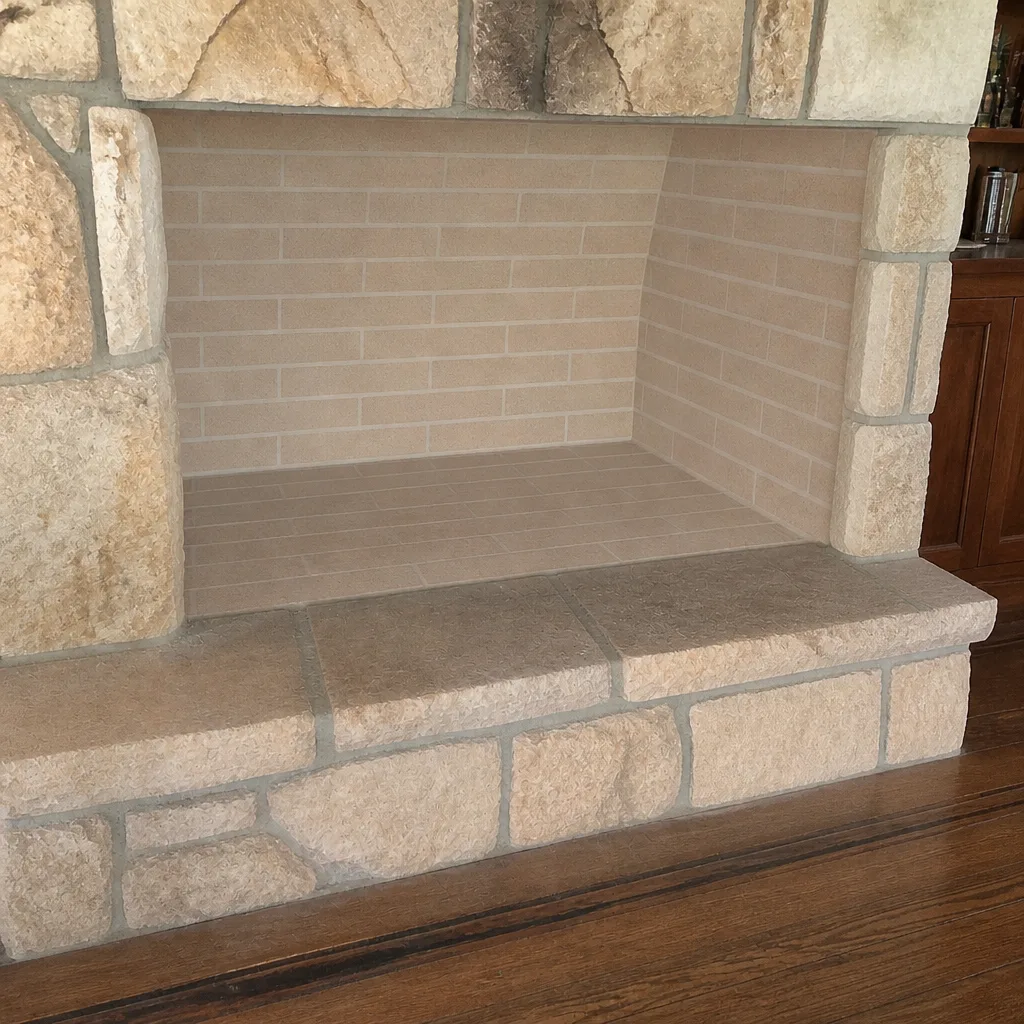
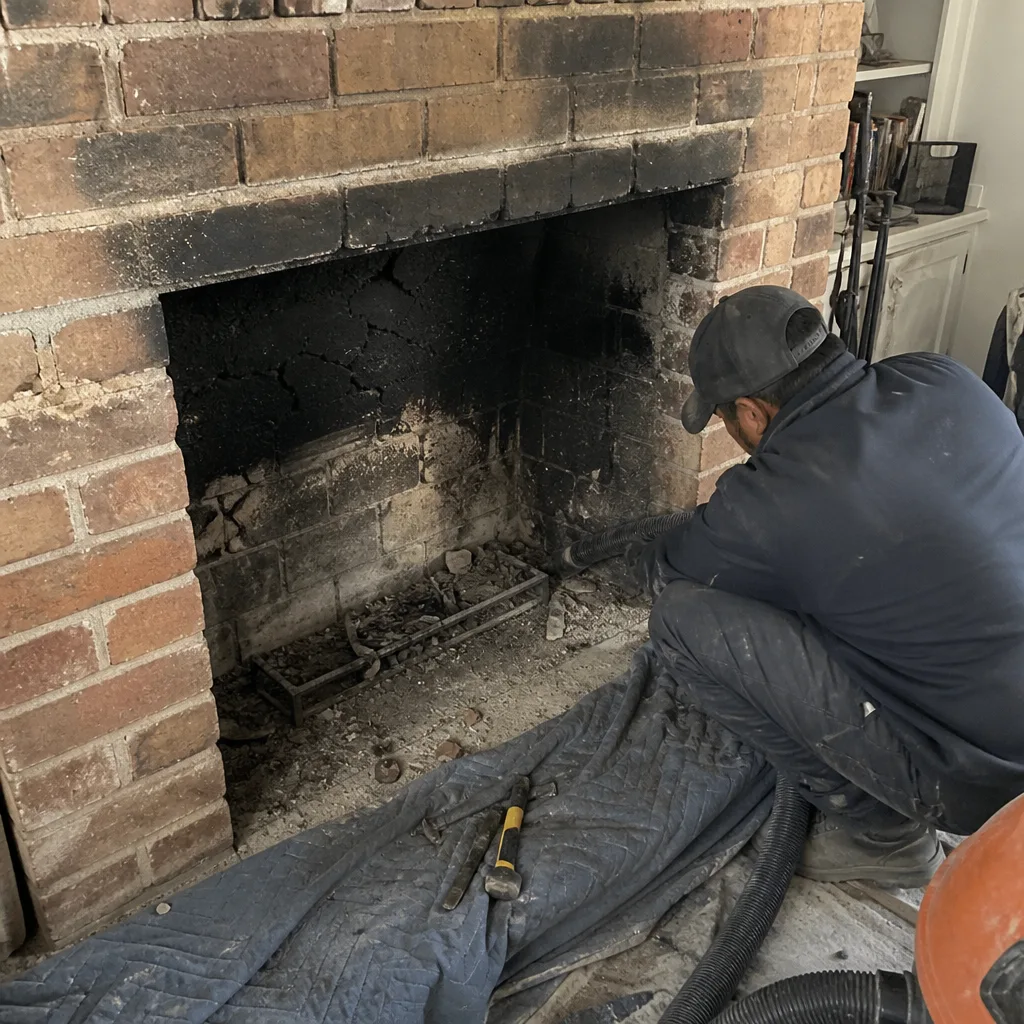
See the difference
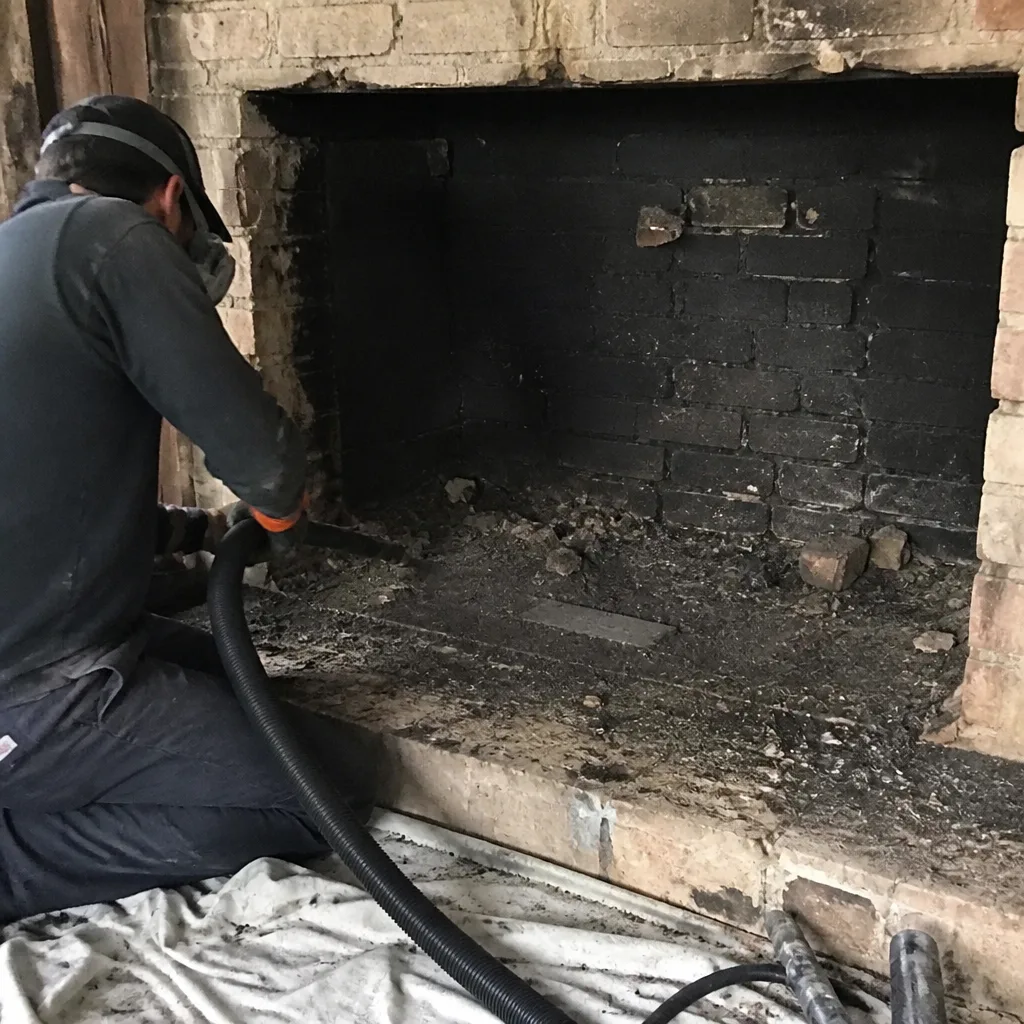 Before
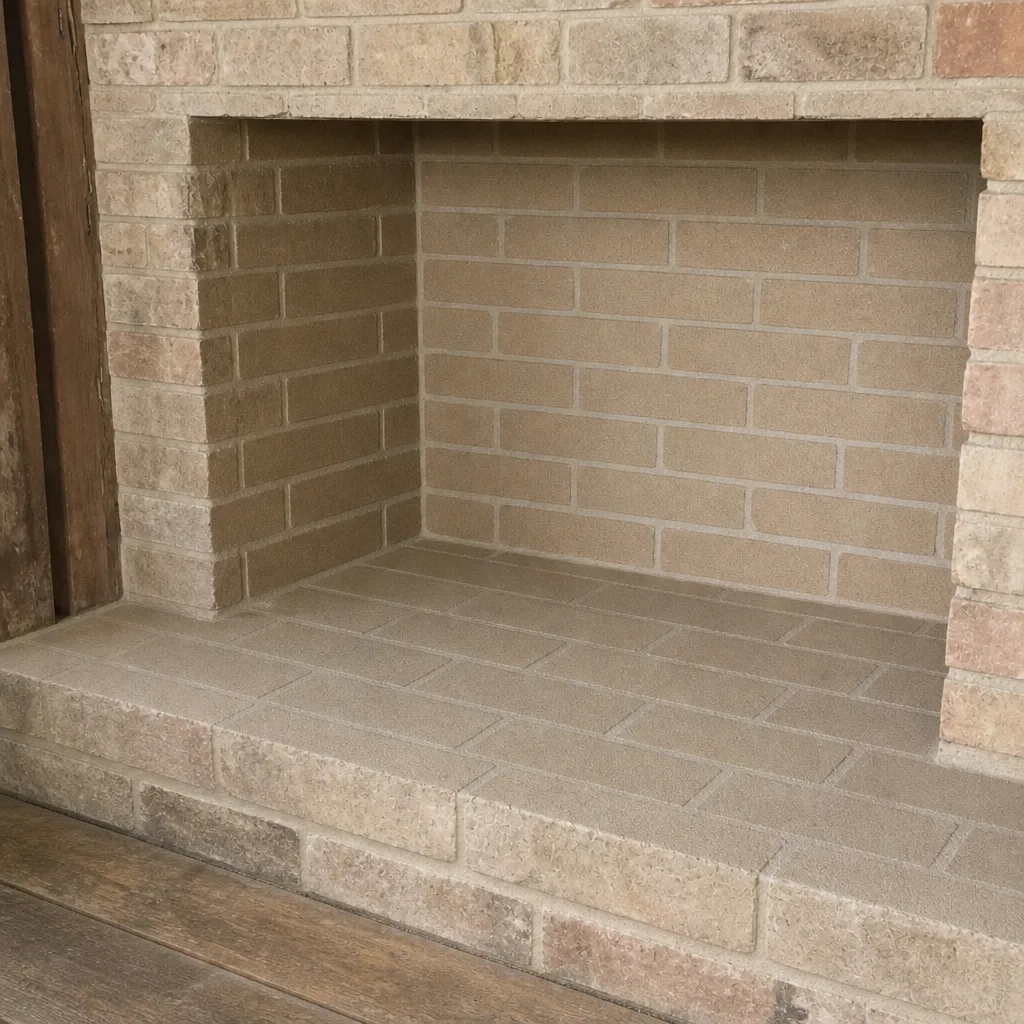 After
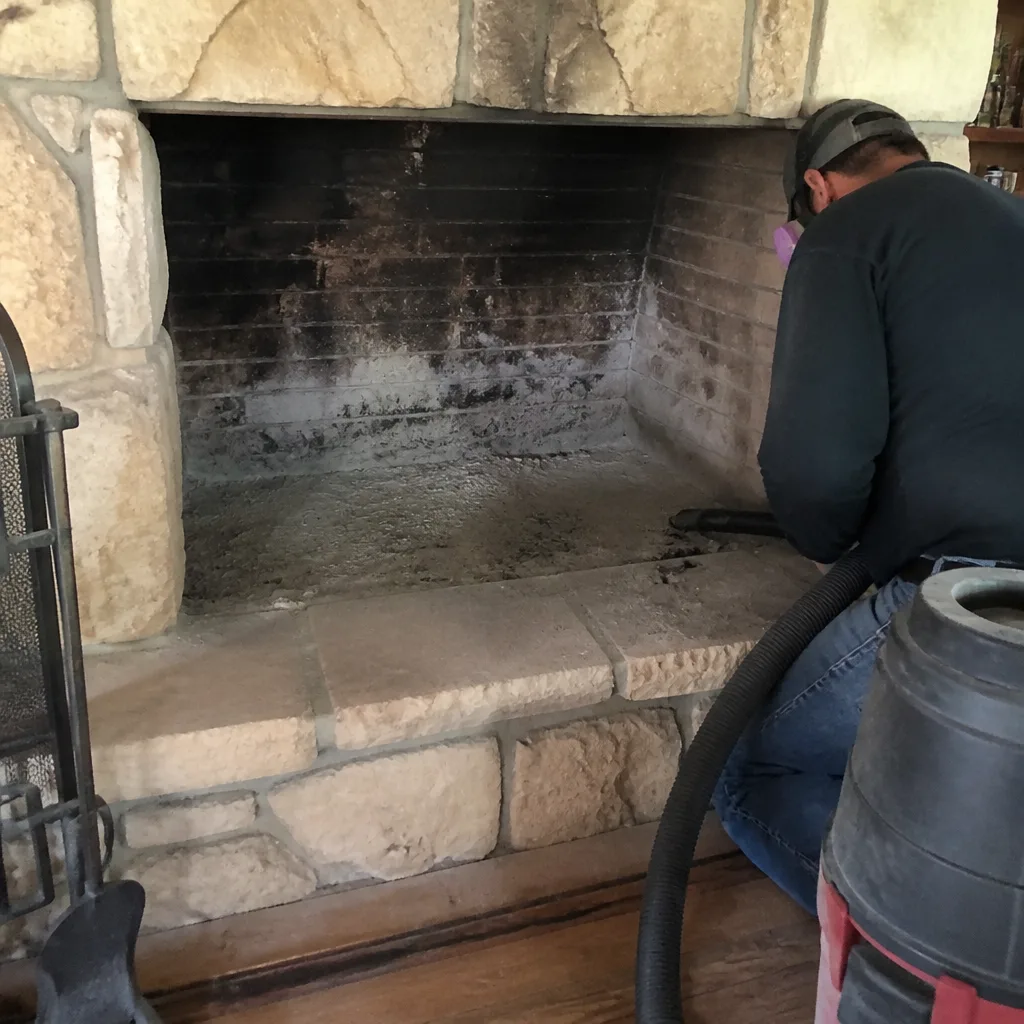 Before
 After
 Before
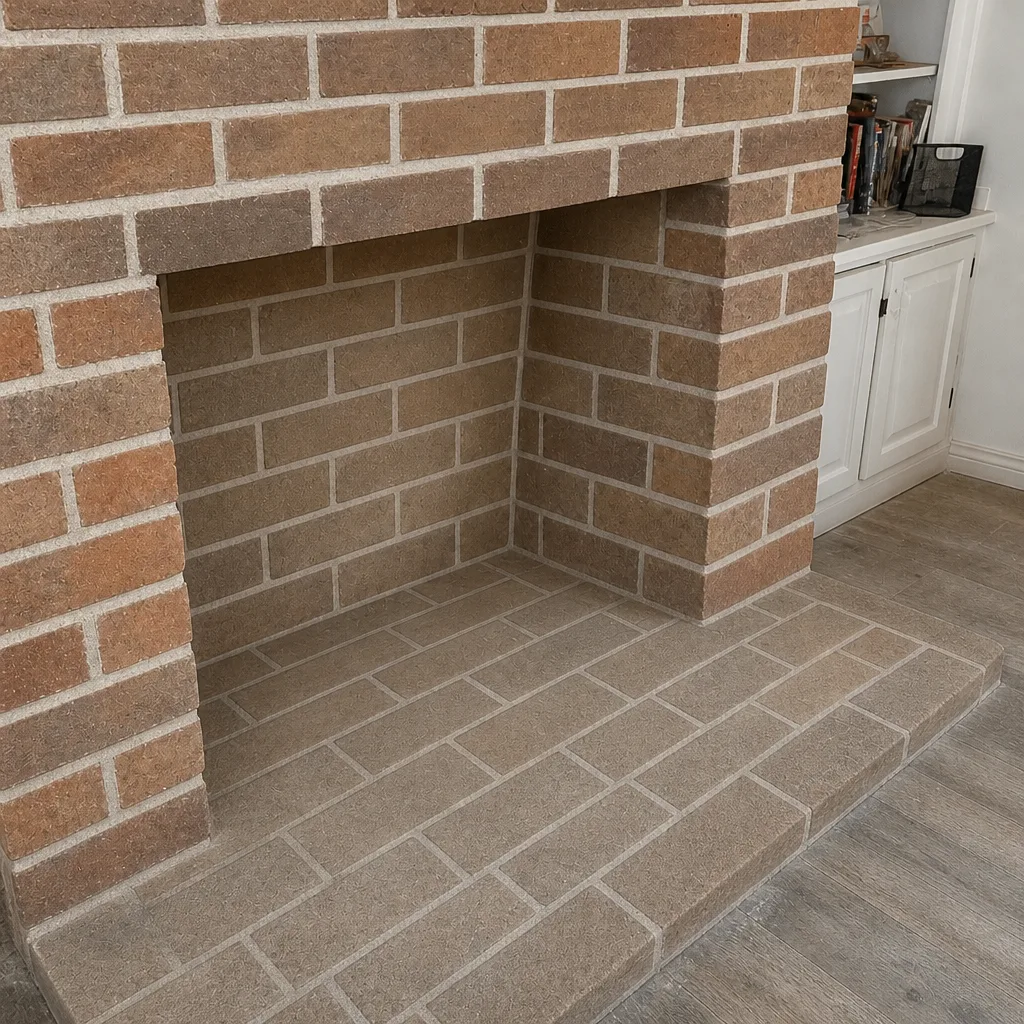 After
When to Call a Professional
Some things wait for the annual visit; others don’t. Call a professional if smoke backs into the room when you light a fire, if you smell smoke with no fire burning, if you see glazed or sticky creosote in the flue, if the damper won’t open or close, if you notice cracks in the firebox or masonry, if your dryer takes much longer to dry clothes or smells hot, or if it’s simply been more than a year since the wood or gas side was inspected. El Paso Chimney Sweep offers free estimates in El Paso. Call (888) 849-7238. We answer 24/7. Fast dispatch from 7am to 7pm, Sunday through Friday.
Frequently Asked Questions
Once a year for a wood-burning fireplace, ideally in October before the burn season, plus a post-monsoon cap inspection in September and a mid-season check in January. Homes that burn heavily or use a lot of mesquite may benefit from a mid-season sweep if buildup is visible. Call (888) 849-7238 for an exact quote; estimates are free.
Yes. Gas appliances vent year-round and can accumulate debris, rust, and corrosion even without creosote, and a failing vent can let combustion gases back into the home. Book an annual gas vent inspection on its own schedule. Call (888) 849-7238 to set one up.
Don’t assume a short season means a safe skip. Dense mesquite burned cool or green can deposit more creosote than a longer season of well-seasoned hardwood. A quick professional look is the only reliable way to know. Call (888) 849-7238 for an inspection.
Creosote builds up and becomes harder to remove and more flammable, water intrusion from monsoon season can damage masonry and the damper, and gas or dryer vents can clog unnoticed. The fixes get bigger and costlier the longer they wait. Call (888) 849-7238 for a free estimate before that happens.
You can handle ash, damper exercise, cap checks from the ground, and smoke monitoring yourself. Flue sweeping, camera inspection, and any liner, crown, or gas vent work need tools and training and should go to a professional. Roof work in particular is a serious fall hazard. Call (888) 849-7238 for a sweep.
You should see the evidence. A proper inspection includes a camera report and photos you can look at yourself, and if work can safely wait, we’ll tell you. Nothing gets recommended without camera evidence you can see. Call (888) 849-7238 with questions.
The Bottom Line
The right schedule for an El Paso home isn’t the national “sweep once in fall” rule. It’s a sequence built around our actual conditions: a post-monsoon cap inspection in September, a pre-season sweep in October, a mid-season damper and creosote check in January, and an end-of-season assessment in late winter. Gas inserts and furnace flues need their own annual inspection, because they run year-round and carry real safety stakes. Dryer vents need a full-run cleaning roughly yearly. Season your mesquite, burn hot, keep a log of what each inspection finds, and don’t take a big repair on faith. When you need a specialist who sweeps and repairs in one relationship, call El Paso Chimney Sweep at (888) 849-7238 for a free estimate. Clean flue. Sound liner. Clear vent. That’s the standard.
Written by the team at El Paso Chimney Sweep.