
Last updated November 14, 2026
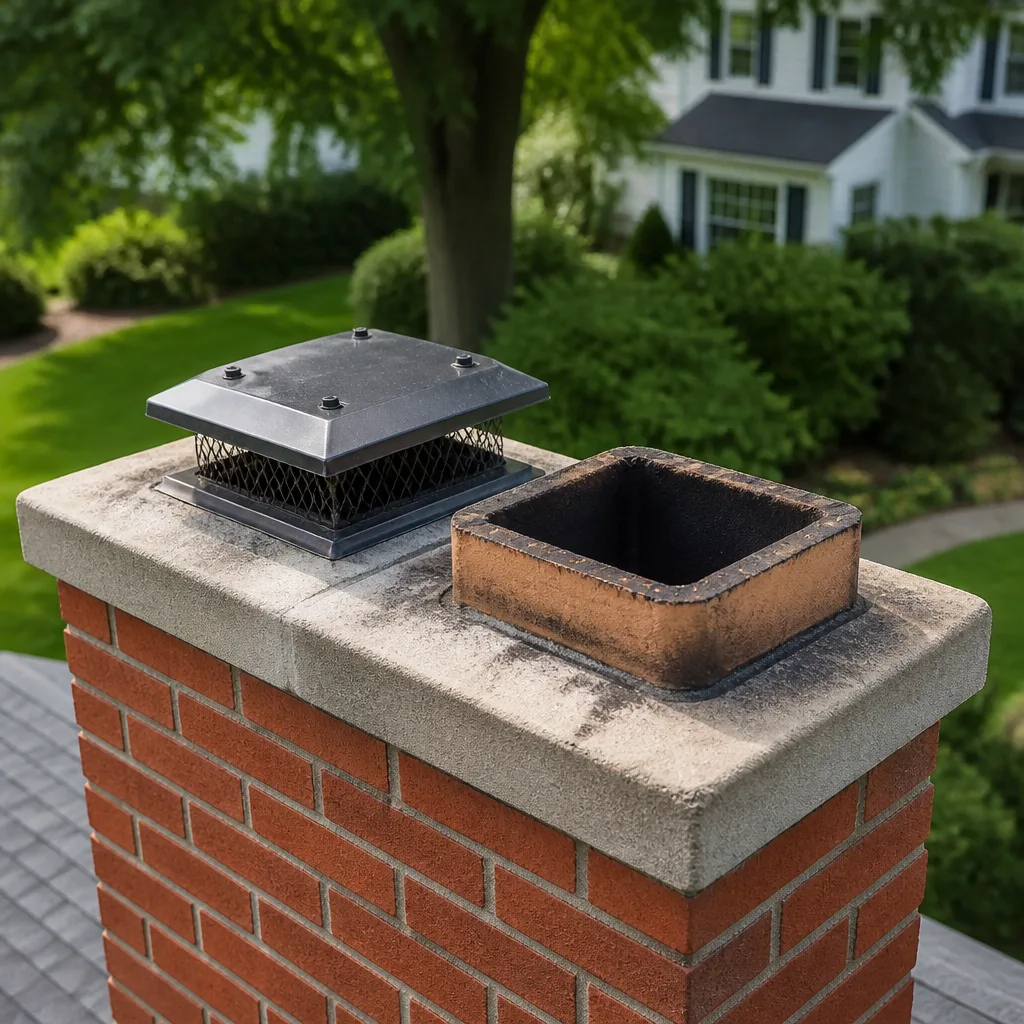 Sweep & inspection
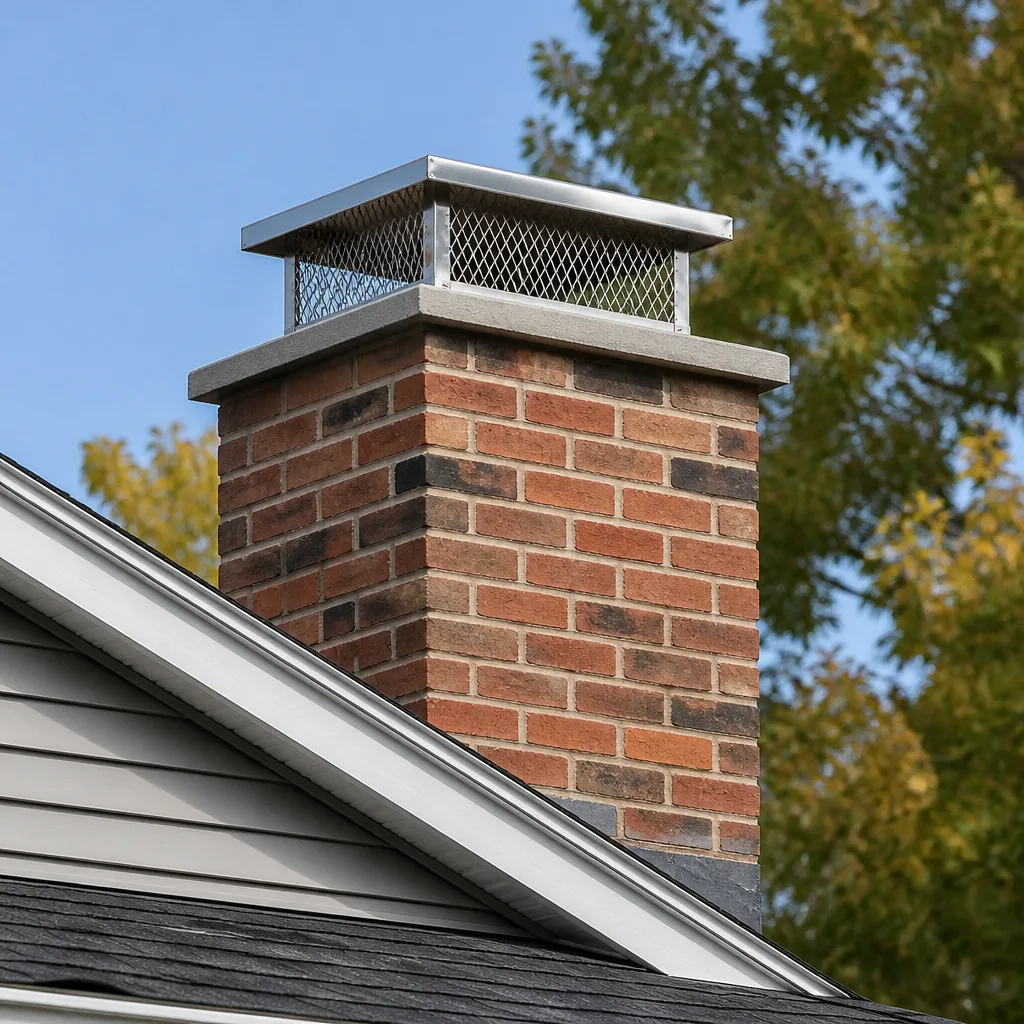 Caps & crowns
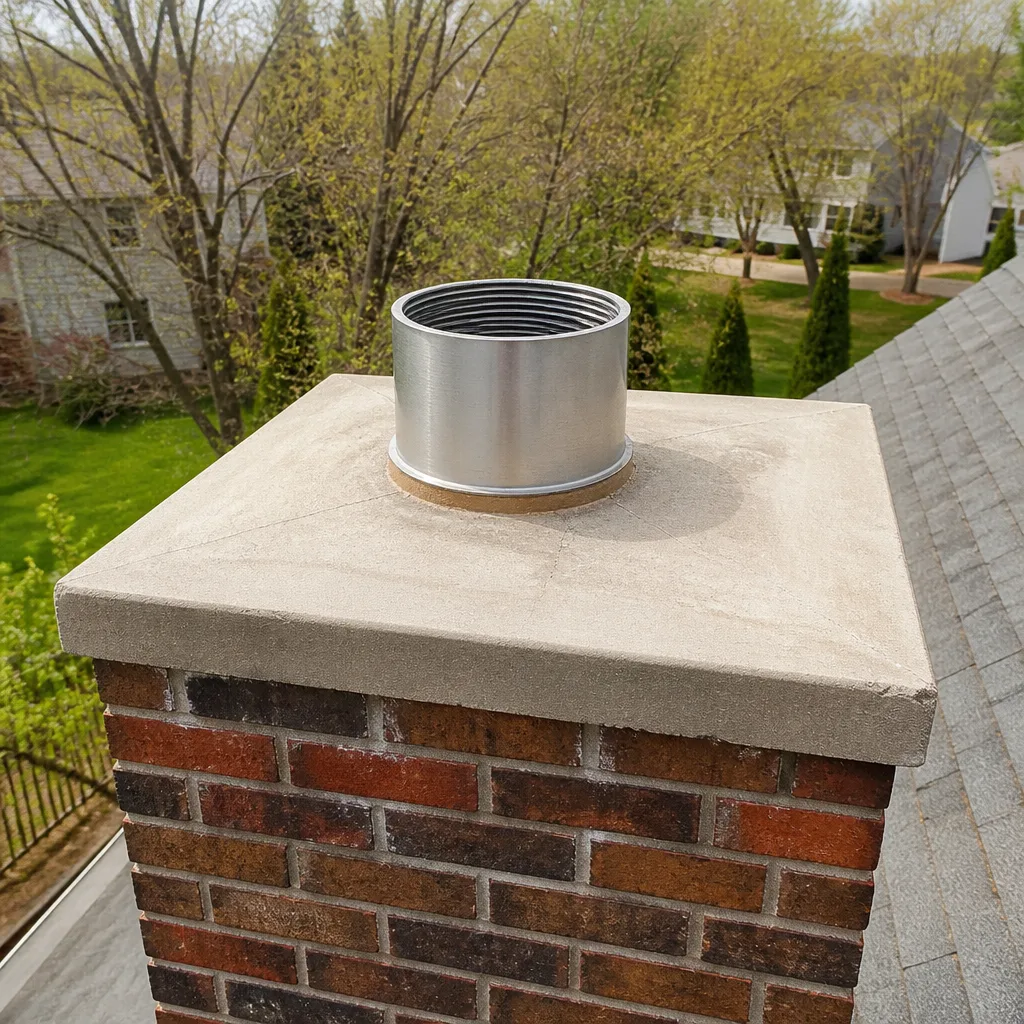 Flue relining
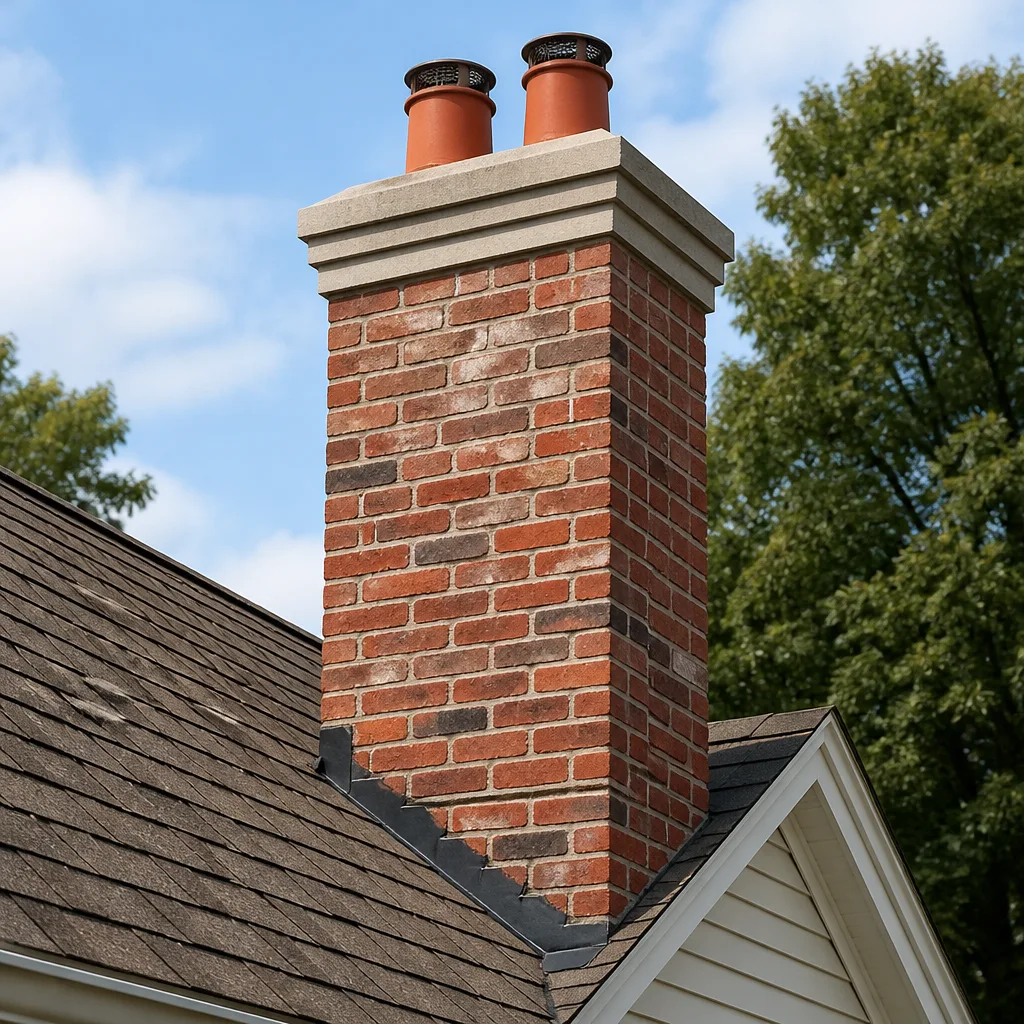 Masonry repair
 Gas fireplace service
Level 1 sweep and inspection to the NFPA 211 annual standard - flue, crown, cap, and flashing checked and photographed
Chimney sweep logs do not sweep chimneys. They loosen some creosote - which then falls where a brush and vacuum still have to collect it.
The Complete Guide to Chimney Cleaning in El Paso
Most homeowners think a chimney gets dangerous because it gets used too much. Here, the opposite is often true. Many fireplaces in El Paso sit cold for weeks at a time, then get fired up for a holiday or a cold snap, and that stop-and-start rhythm gives creosote, dust, and nesting animals long stretches of quiet to build up unseen. A chimney that burned every night of winter tends to get noticed. One that burns a dozen times a season can go years without anyone looking up the flue. This guide explains what chimney cleaning in El Paso actually involves, why the Chihuahuan Desert shapes the work differently than colder, wetter climates, and what you should expect from a real inspection.
Quick Answer
A proper chimney cleaning in El Paso is more than running a brush up the flue. It’s a full inspection of the firebox, smoke chamber, damper, flue liner, cap, and crown, backed by a camera look at the interior, so you know the condition of the whole system and not just the part you can see from the hearth. In our dry climate, the biggest issues come from low humidity, desert dust, monsoon-season moisture, and the nesting wildlife that treat an unused flue as prime real estate. That’s why an annual sweep and inspection matters here even if you only burn a handful of fires each winter.
Styles & brands we work with
- Sweep & inspection
- Caps & crowns
- Flue relining
- Masonry repair
- Gas fireplace service
Table of Contents
- How El Paso’s Climate Changes What Your Chimney Needs
- Creosote in a Desert Climate: Why It Accumulates Differently
- Level 1 vs. Level 2 Inspections and When You Need Each
- What Full-Service Chimney Cleaning Actually Includes
- Desert Dust, Monsoon Moisture, and Liner Wear
- Wildlife Intrusion and Why Sporadic Use Is a Risk
- What a Chimney Cleaning Visit Looks Like, Step by Step
- When Cleaning Turns into Repair: Liners, Resurfacing, and Caps
How El Paso’s Climate Changes What Your Chimney Needs
El Paso averages fewer than 300 fireplace-use days per year by typical homeowner habits, and that low number is exactly why so many chimneys here go overlooked. In a wet, cold climate, people burn constantly through winter and naturally think about their chimney. In El Paso, the burning season is short and fractured. The fire gets used on a few cold mornings, then sits idle for months. That pattern hides problems instead of creating them loudly.
Low annual humidity is the other big difference. Wet climates push a lot of moisture through a flue, and the creosote there tends to be softer and glazed differently. El Paso’s dry air pulls moisture out of masonry fast, which sounds like a good thing. In practice, it means creosote dries into harder, more brittle deposits that don’t wipe away easily. It also means the masonry itself expands and contracts with daily temperature swings. The result is a chimney that can look fine on the outside while the flue and smoke chamber carry deposits a homeowner never sees.
Our dry air also stirs up dust. Between spring winds and the fine desert dust that finds its way onto every surface, a fair amount of grit settles into fireboxes and smoke shelves over the course of a year. That grit doesn’t burn; it just accumulates and adds to the load on the flue. Between dry conditions and long idle stretches, the work we do at El Paso Chimney Sweep here is genuinely different from what a sweep in a colder climate is dealing with.
What does that mean for you?
- Annual inspection matters even if you burn rarely, because infrequent use masks buildup.
- Hard, dry creosote needs proper brushing technique, not a quick pass with a shop vac.
- Fine dust and grit settle into the smoke shelf and need clearing, not just sweeping.
- Masonry that swings between hot fires and dry, sunny days should be checked for hairline cracks each season.
Creosote in a Desert Climate: Why It Accumulates Differently
Creosote forms when wood smoke cools before it exits the chimney. That’s true everywhere. What differs in El Paso is the rate and the texture. Two things drive that. First, because chimneys sit idle for long stretches, the initial fire after a break often runs cool and smoky while the flue warms up. Cool smoke condenses on the flue walls and leaves a layer. Do that repeatedly over a season, and layers stack. Second, our dry air makes those deposits harder and more gummy-sticky than they would be in a humid climate, so they grip the flue wall instead of flaking off.
There are three stages of creosote, and they matter:
- Stage one: a light soot-and-ash film. This is normal and gets removed in a routine sweep.
- Stage two: a thicker, flaky or gummy layer. This needs more brushing effort and sometimes chemical treatment.
- Stage three: a hard, glazed finish that looks almost like tar. This is the most flammable and can’t always be removed with a brush alone; it often calls for professional treatment or, in the worst cases, a liner.
In cities where people burn daily through winter, stage-one buildup is expected and cleaned on a schedule. In El Paso, the stop-and-go pattern means a homeowner can go several seasons without a fire and still find stage-two or three crud when they finally inspect. Using properly seasoned wood, keeping the fire hot enough to burn clean, and scheduling an annual sweep keeps that buildup in check.
Level 1 vs. Level 2 Inspections and When You Need Each
Chimney inspections come in levels, and homeowners often don’t know what they’re getting. Here’s the difference and which fits an El Paso home.
Level 1 inspection is what comes with a routine annual cleaning. The technician checks everything accessible without special tools: the firebox, damper, smoke chamber, visible flue portions, cap, and crown. It’s right for a chimney that’s been in steady use and hasn’t had any changes.
Level 2 inspection is more thorough and includes a video camera scan of the flue’s full length plus a check of accessible areas like the attic, crawlspace, and any adjoining chimney chases. You need a Level 2 when:
- You’ve just bought or moved into a home (the previous owner’s burning habits are unknown).
- The chimney has sustained damage from a fire, earthquake, or weather event.
- A change is planned: new appliance, new fuel type (wood to gas or the reverse), or a liner replacement.
- You’re having an ongoing problem you can’t identify (smoke backdrafting, odors, draft problems).
- It’s been years since the chimney was last inspected.
For a typical El Paso homeowner with a fireplace and no known problems, a Level 1 with the annual sweep is the baseline. If the flue hasn’t been seen by a camera in a long time, or the chimney has been sitting unused across many seasons, a Level 2 is the right call.
What Full-Service Chimney Cleaning Actually Includes
There’s a big gap between a quick brush-and-vac and a real full-service cleaning. The first leaves you wondering. The second gives you a camera photo of what’s up there so you can see it yourself. Here’s what should happen on a proper visit:
- Exterior check. The technician examines the cap, crown, brickwork, flashing, and any visible cracks before touching the interior.
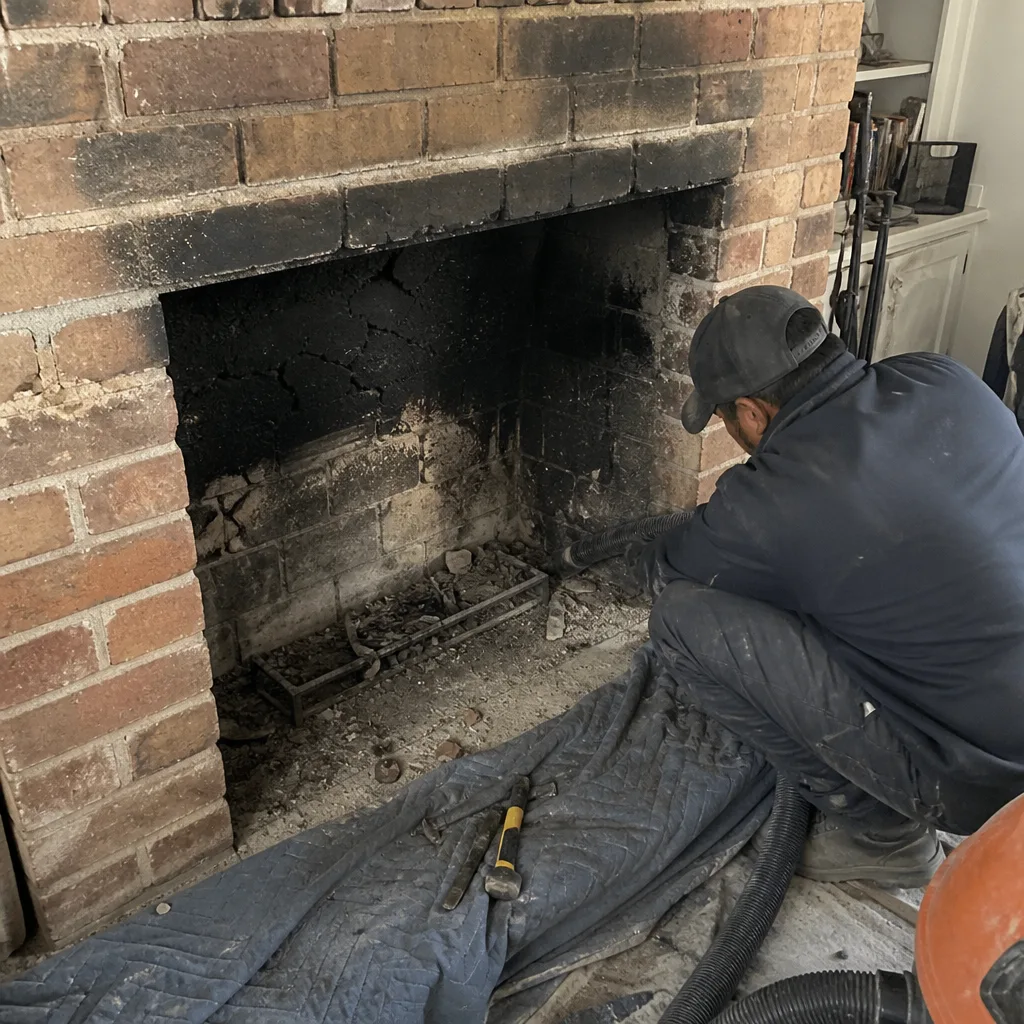
- Firebox and hearth prep. The area gets covered, and a high-powered vacuum with a HEPA filter runs throughout the job to contain soot and dust.
- Brush sweep of the flue. Correctly sized brushes on the right rods work from the top or bottom, depending on the setup, to dislodge creosote and soot.
- Smoke chamber evaluation. That sloped chamber just above the damper is where creosote and debris love to collect. It needs to be scraped and swept, not skipped.
- Camera inspection. A flue camera runs up the interior so the technician can see cracks, gaps in liner joints, and any glazed creosote that brushing alone won’t clear.
- Cap and crown check. A damaged cap lets water in and wildlife through; a cracked crown lets moisture seep into the masonry.
- Report and photos. A written summary with photos, so you know exactly what was found and what (if anything) needs to happen next.
That last step is the one homeowners value most, because it takes the guesswork out of whether more work is needed. Anyone can tell you a chimney “needs work.” A full-service visit shows you why.
Desert Dust, Monsoon Moisture, and Liner Wear
El Paso’s weather does two things to a chimney that colder climates don’t. First, the fine Chihuahuan Desert dust gets everywhere, and a chimney pulls it in even when it’s not burning. Dust settles in the firebox, smoke shelf, and damper area, and over a year it adds up. Second, monsoon season brings short bursts of intense rain. Water hitting a hot, dry chimney is one of the harder things you can put masonry through. Porous brick and mortar soak up moisture, then dry out quickly in the returning sun, and the cycle repeats.
Both forces accelerate wear on the flue liner. A clay tile liner can develop hairline cracks from thermal cycling, and those cracks let creosote seep into the masonry, where it can’t be brushed out. A metal liner can develop corrosion at joints if water gets in past a failing cap. Neither shows symptoms you’d notice without a camera.
What can you do about it?
- Keep the cap in good shape. It’s the first line of defense against water and wildlife.
- Watch the crown for cracks. A cracked crown funnels rain straight into the masonry.
- Get a camera inspection periodically, since liner condition can’t be judged by eye from below.
- If the liner’s already damaged, options include a HeatShield resurfacing or a new liner system; both restore flue integrity and keep the flue sealed.
Proactive repair is almost always cheaper than waiting for a damaged liner to fail.
Wildlife Intrusion and Why Sporadic Use Is a Risk
An unused chimney looks like a great home to a bird, squirrel, or raccoon. And in a climate with a short, sporadic burning season, there are long stretches when the chimney sits empty. That’s when a chimney becomes a nest site. A bird’s nest in a flue blocks airflow, holds creosote-catching debris, and, once the fire’s back on, can catch and drive smoke back into the house. Nesting material also holds moisture against the flue wall, which is a whole separate problem.
The telltale signs are straightforward once you know what to look for:
- Scratching or flapping sounds coming from the chimney, especially in the morning or at dusk.
- Droppings or nest material around the hearth or in the firebox.
- Smoke backing into the room on the first fire of the season.
- A strong odor from the firebox that doesn’t smell like normal wood smoke.
A proper cap with mesh screening keeps the wildlife out, and it’s one of the cheapest fixes in chimney work. If birds or animals have already moved in, the nest needs to be cleared by a professional before any fire is lit. In our experience, this is more common in El Paso than most homeowners expect, precisely because of how the burning season works here.
What a Chimney Cleaning Visit Looks Like, Step by Step
Here’s how a typical visit runs, from arrival to sign-off, so you know what to expect.
- Arrival and walk-through. The technician looks at the firebox, the exterior, and asks how often the fireplace is used and whether anything’s been burning oddly.
- Protection and setup. Canvas drop cloths go down; the HEPA vacuum runs to keep soot contained.
- Sweep. Correctly sized brushes clear the flue of soot and creosote. Any glazed sections get worked with the appropriate treatment.
- Smoke chamber and damper. These get scraped, brushed, and cleaned thoroughly.
- Camera check. The flue is scanned top to bottom. Liner joints, cracks, and anything else show up here.
- Cap, crown, and masonry. The exterior gets examined for cracks, missing mortar, or a damaged cap.
- Report and options. Any issues are explained, with photos, and a written estimate if repair is recommended.
For a straightforward chimney sweep on a well-maintained flue, that’s usually a few hours of work. If significant repair is needed, the technician will explain why, show you the evidence, and tell you honestly whether it can wait.
When Cleaning Turns into Repair: Liners, Resurfacing, and Caps
A cleaning visit frequently turns up something that needs repair, and that’s the point of doing it right. The upside to working with a company that sweeps and repairs is that you don’t get handed off to a second contractor if a problem is found. We diagnose and correct in one relationship.
The most common repairs we see in El Paso fall into a few categories:
- Flue resurfacing. When the interior of the flue has hairline cracks but the structure is sound, a HeatShield resurfacing restores it without a full liner replacement.
- Liner installation. When the original liner is damaged beyond what resurfacing can fix, a new system from a manufacturer like DuraFlex or Olympia Chimney restores the safe path for exhaust.
- Cap replacement. A properly fitted Gelco cap is cheap insurance against water and wildlife.
- Crown sealing or repair. A cracked crown is often the root of moisture problems, and fixing it stops the leak before it reaches the masonry.
All of these are “we can wait” decisions sometimes and “this can’t wait” decisions other times. The camera report is what tells you which one you’re looking at.
How Do You Know When Your Chimney Is Actually Ready for the Season?
A straightforward checklist makes it easy: no visible soot or creosote inside the flue, a clear and working damper, an intact cap and crown, no wildlife or nesting material, and a firebox free of cracked brick or loose mortar. If all of those are true, the chimney’s ready. If not, that’s the work for the year.
A pre-season check on a fireplace in El Paso matters because the first fire of the season is often the one that reveals the problem. If the chimney backed up last year or the flue smelled off during summer, those are signals not to relight it until the flue is looked at. Booking a chimney sweep here before the first cold snap is easier on the schedule and gives you time to plan any repair. Waiting means discovering the issue the same night you wanted a fire.
Many homeowners in El Paso are used to calling a single handyman for whatever’s needed. Chimney work is different. The flue liner, smoke chamber, and cap are all one integrated system, and problems compound if any one part is ignored. That’s why the diagnosis and the repair should be handled together.
Common Mistakes to Avoid
- Assuming a rare-use chimney doesn’t need a sweep. Infrequent burning is a risk factor here, not a reason to skip the annual visit. Idle chimneys are where nesting and unchecked creosote build up.
- Using a shop vacuum or a hardware-store brush for a “quick clean.” Fine soot goes everywhere, and the smoke chamber and damper don’t get properly cleared. You end up with a mess and no idea what shape the flue is in.
- Burning unseasoned or resin-heavy wood. Green wood produces cooler smoke, more creosote, and more buildup. Seasoned firewood burns hotter and cleaner.
- Buying a chimney “cleaner” that doesn’t include a camera inspection. Sweeping without looking is half the job. Camera evidence is what separates a real inspection from a guess.
- Ignoring a missing or damaged cap because “nothing’s happened yet.” A cap is the cheapest part of the chimney, and it’s the one that keeps out rain, dust, and animals.
- Letting a raccoon or bird move in, then lighting the fire anyway. Nest material in the flue blocks exhaust and can ignite. Animals get cleared before any fire.
- Assuming a chimney that looks fine on the outside is fine on the inside. Most serious problems, from cracked liner tiles to glazed creosote, are hidden from view until someone runs a camera up there.
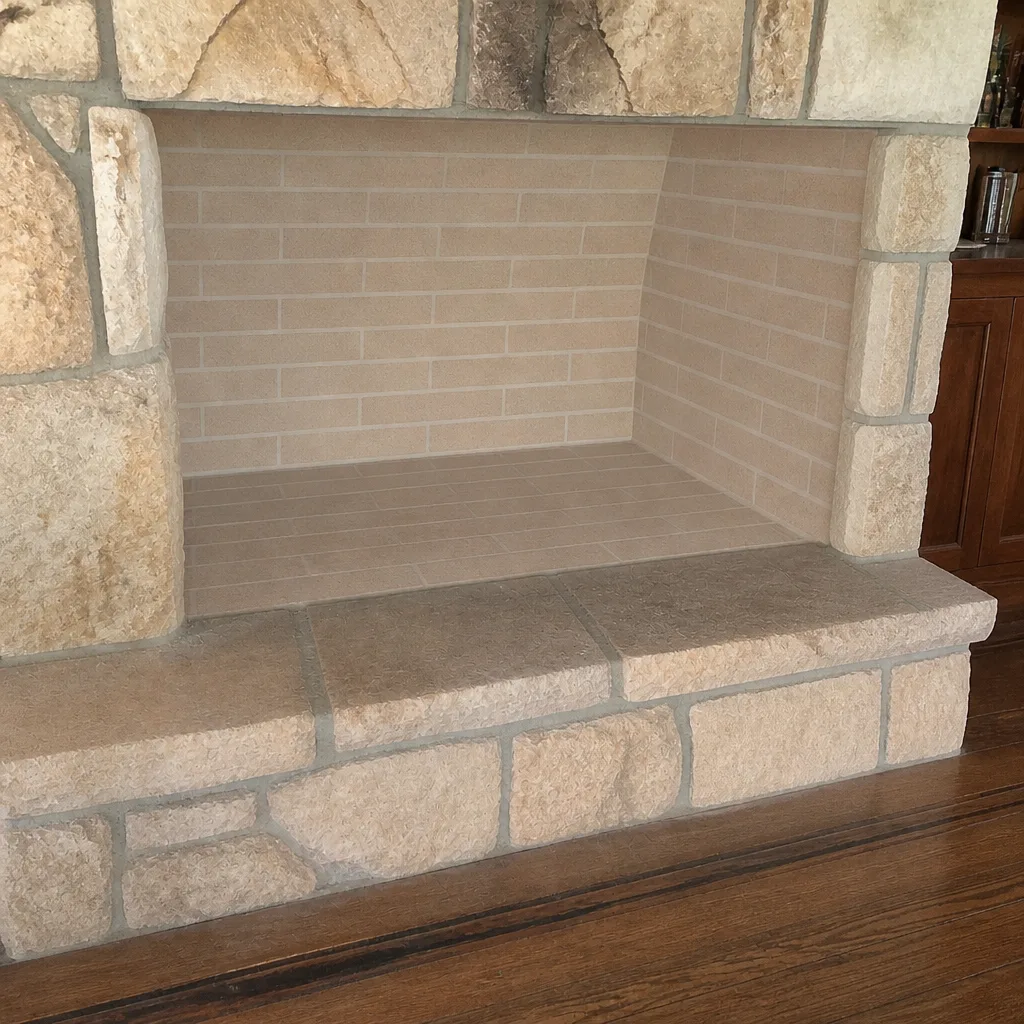
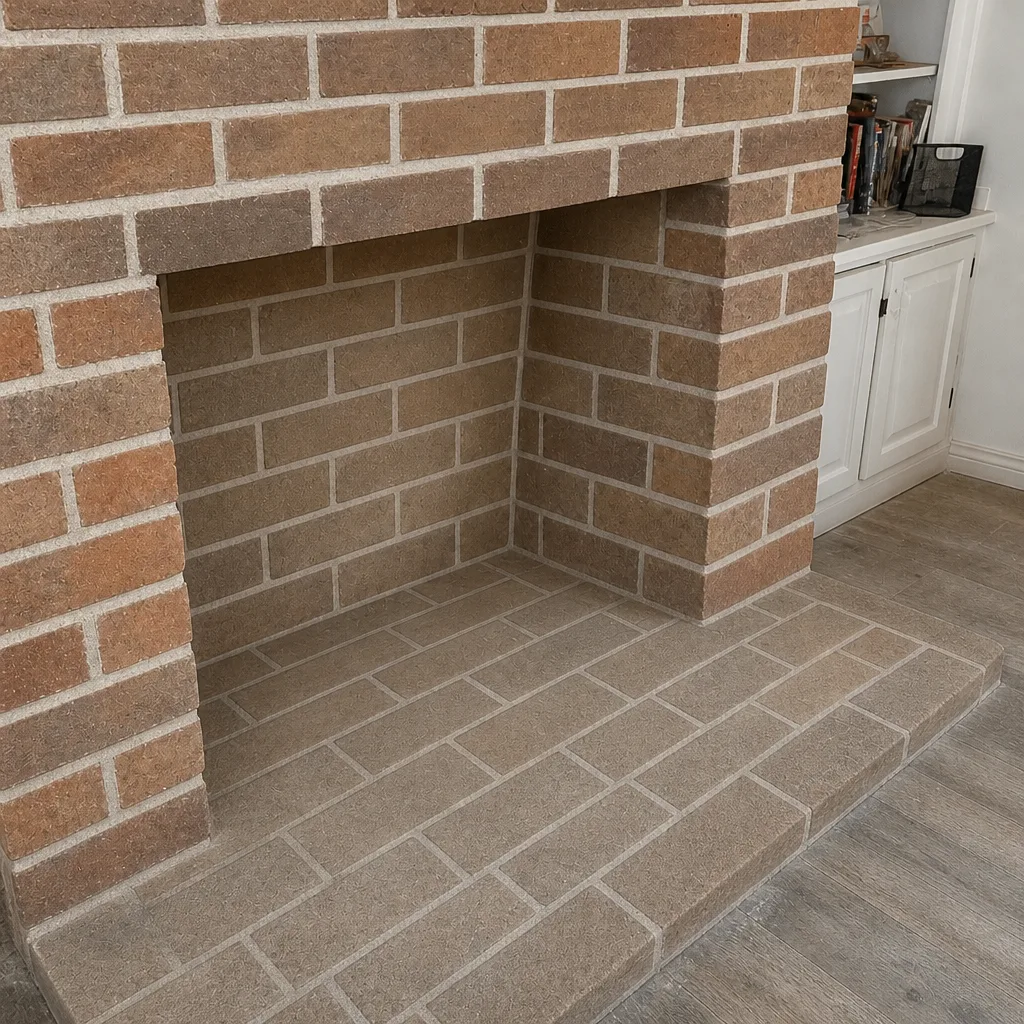
See the difference
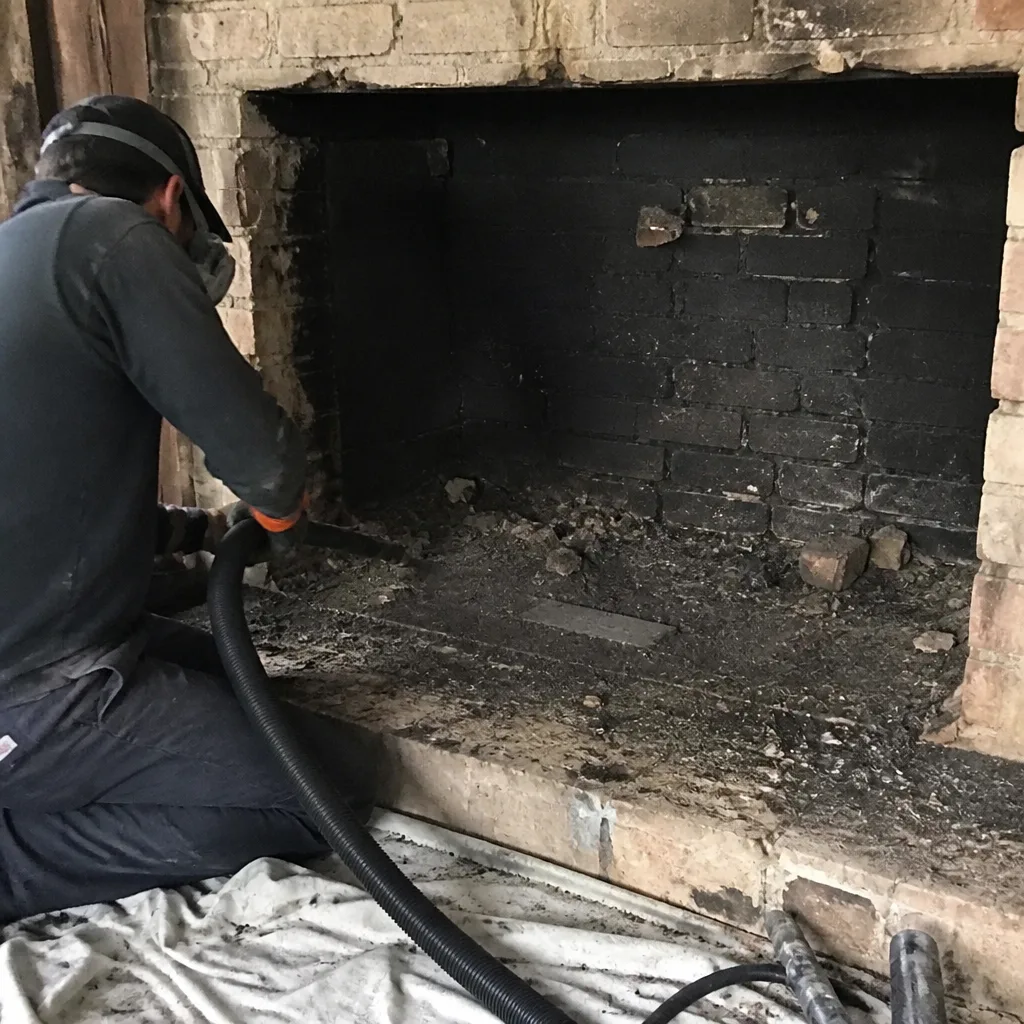 Before
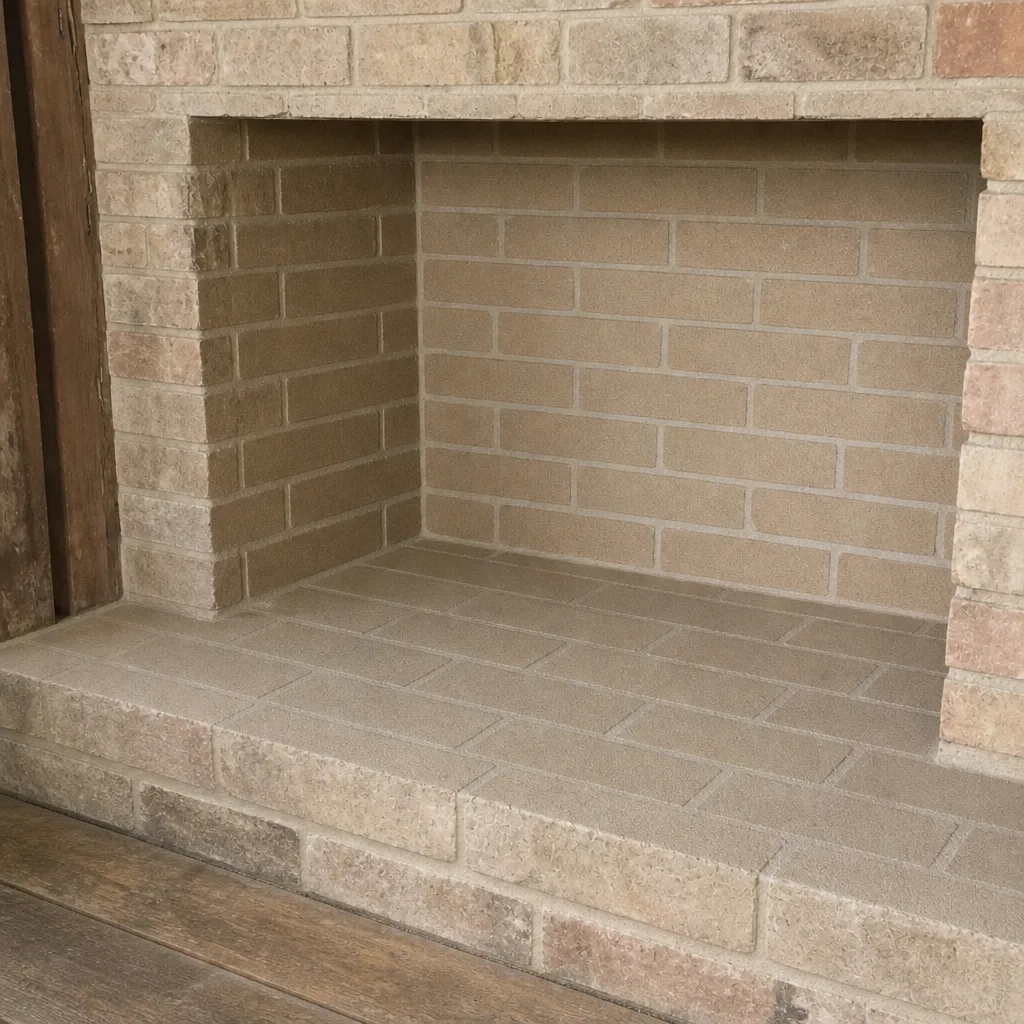 After
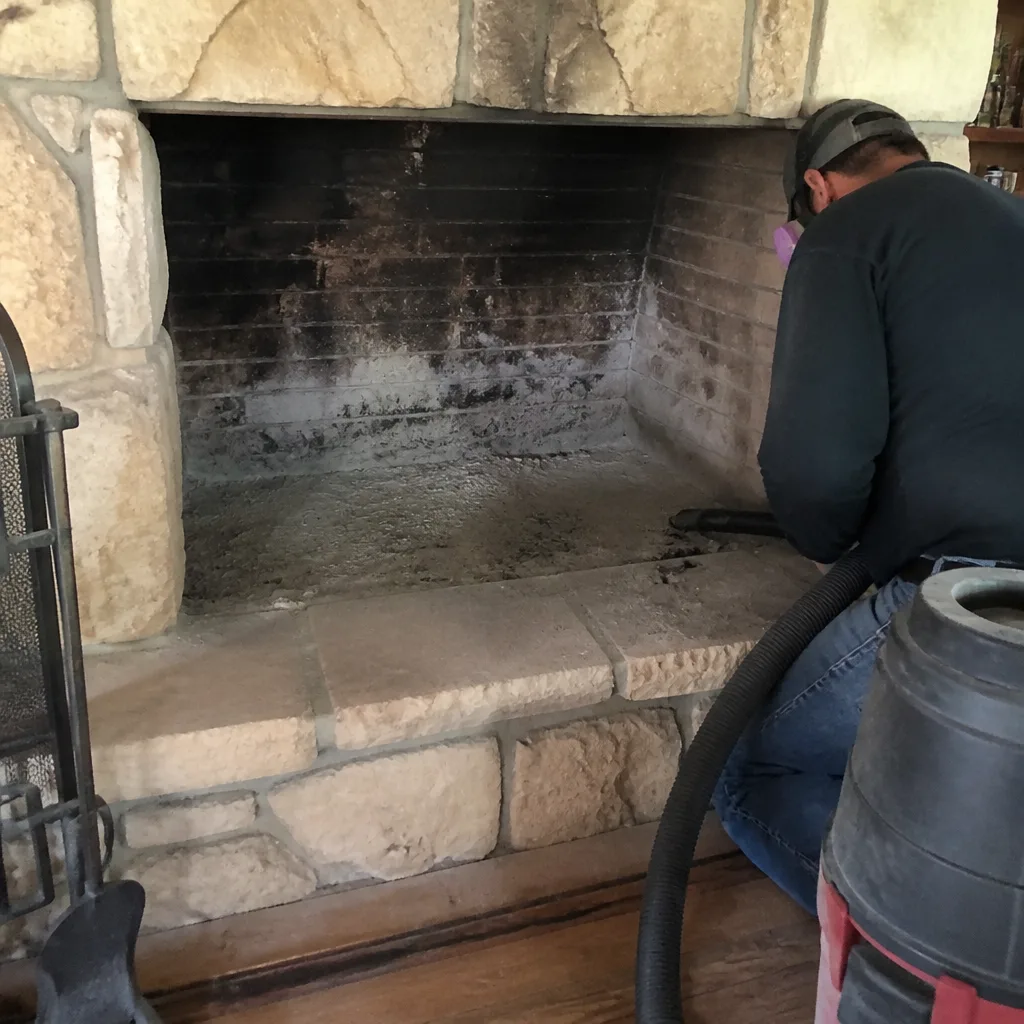 Before
 After
 Before
 After
When to Call a Professional
Call a professional chimney sweep when you haven’t had the chimney inspected in more than a year, when you’ve just moved into a home and don’t know its history, when any smoke is backing into the room, or when you hear animal sounds coming from the flue. Call sooner if the chimney has been through a damaging event, if the firebox lining has visible cracks, or if the flue smells strongly during the off-season. And call before the first fire of the season if you’re not sure – a pre-season inspection takes far less time than dealing with a problem once the fire’s lit. El Paso Chimney Sweep offers free estimates in El Paso. Call (888) 849-7238. We answer 24/7. Fast dispatch from 7am to 7pm, Sunday through Friday.
Frequently Asked Questions
Most residential chimney sweeps in El Paso fall in a typical range based on the chimney’s condition, accessibility, and whether a camera inspection is included. The written estimate always sets the final price, so you know what you’re paying before any work starts. Call (888) 849-7238 for an exact quote – estimates are free.
Once a year is the standard, and it matters here even if you only burn a few times per season. The dry, sporadically-used pattern common in El Paso is exactly what lets deposits and nesting go unnoticed. If your fireplace has sat unused for more than a year, book the inspection before you light it. Call (888) 849-7238 to schedule.
Not always. Many liners can be restored with HeatShield resurfacing instead of full replacement, and the camera scan is what tells you which route applies. Nothing gets recommended without visible evidence you can review yourself. Call (888) 849-7238 with what you know so far.
Creosote builds up, airflow gets restricted, and the flue becomes more vulnerable to a chimney fire and to carbon monoxide passage if the liner is compromised. In El Paso, an idle chimney also becomes a nesting spot for animals. Both risks are entirely preventable with an annual sweep. Call (888) 849-7238 to book one.
Yes. Gas fireplaces and inserts also need periodic inspection, since venting, the firebox, and the flue all accumulate debris differently than wood-burning setups. The same camera inspection applies. Call (888) 849-7238 for an estimate.
Yes, we do. Lint buildup in a dryer vent is a serious fire risk, and it’s a service many chimney-only companies don’t offer at all. Our dryer vent cleaning clears the full run and gets checked with the same camera approach. Call (888) 849-7238 to book a visit for your home in El Paso.
The Bottom Line
Chimney cleaning in El Paso isn’t a copy of what colder, wetter climates need. The dry air, Chihuahuan dust, monsoon bursts, and the stop-and-go burning pattern here all change how creosote forms, how liners wear, and why an idle chimney is actually a bigger risk than a well-used one. A proper sweep includes a camera inspection, a smoke chamber evaluation, and a check of the cap and crown, so you know the condition of the whole system, not just the firebox. Book a chimney sweep before the season, and you’ll know exactly where you stand. Our technicians have up to 15 years of experience, we work with professional-grade materials from names like Copperfield and DuraFlex, and we tell you plainly when repair can wait.
Ready to get your chimney in shape before the first fire? Call (888) 849-7238 for a free estimate. We answer 24/7. Fast dispatch from 7am to 7pm, Sunday through Friday.
Written by the team at El Paso Chimney Sweep.