
Last updated November 14, 2026
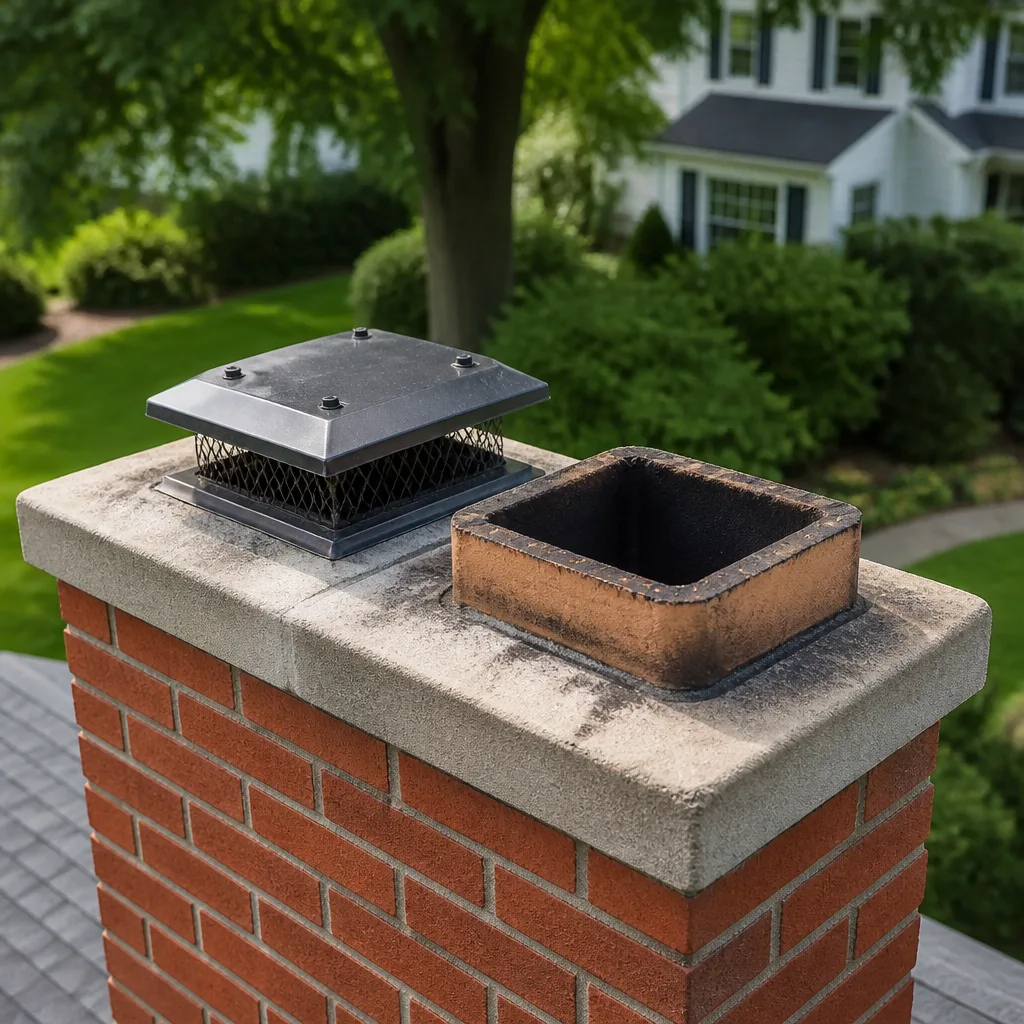 Sweep & inspection
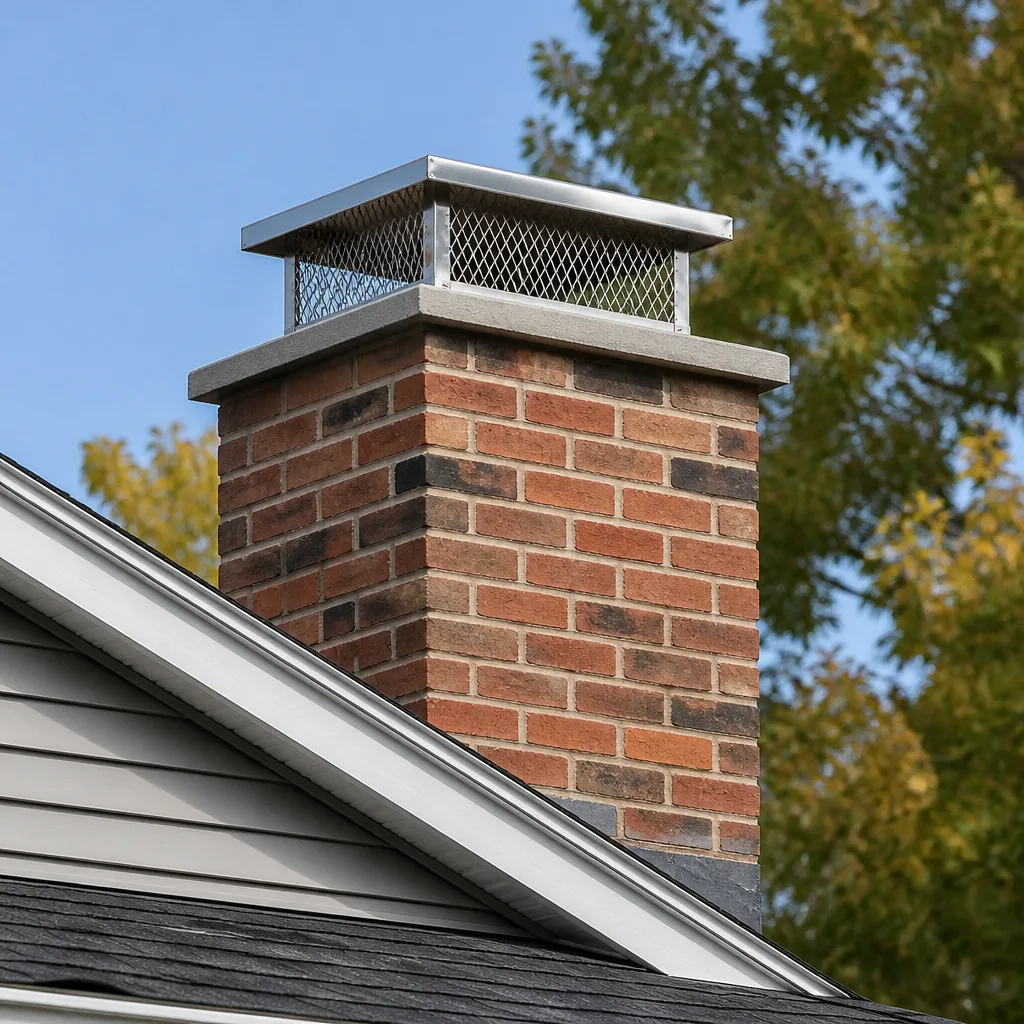 Caps & crowns
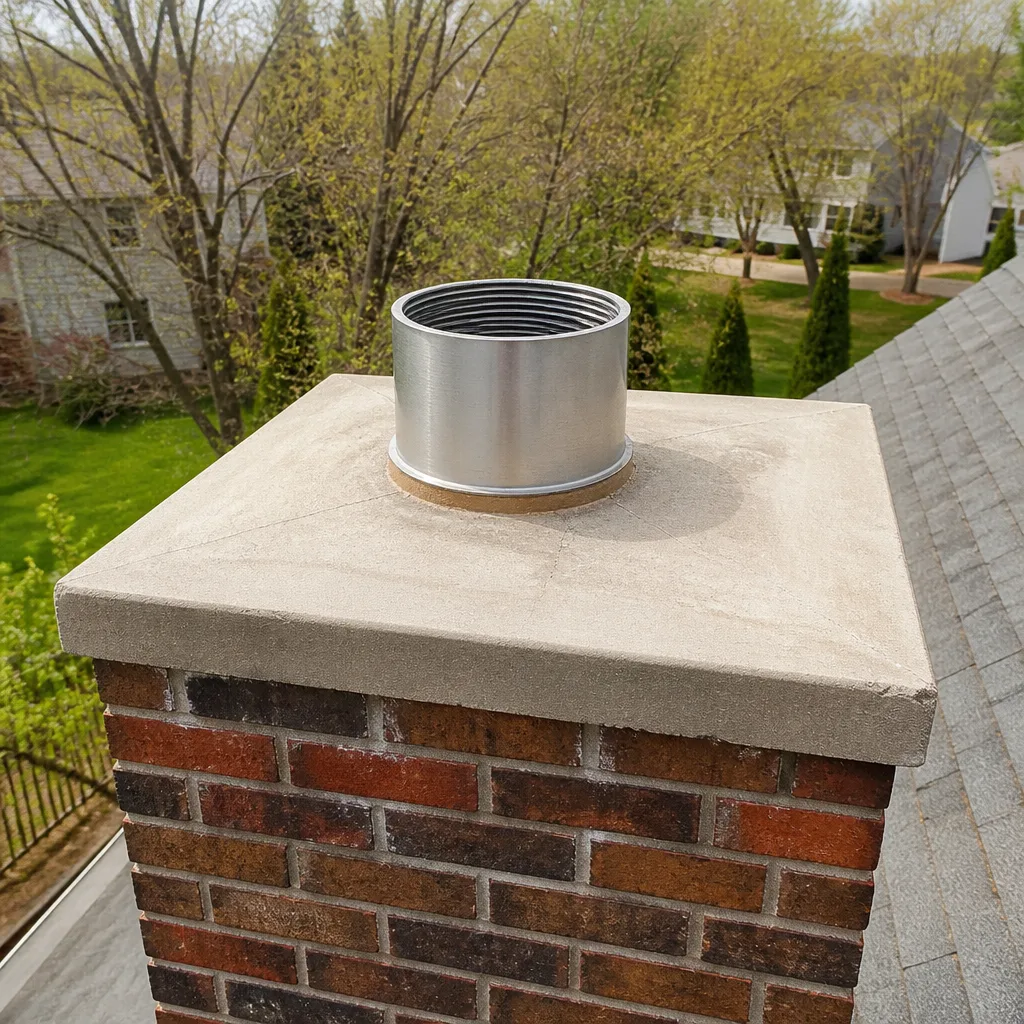 Flue relining
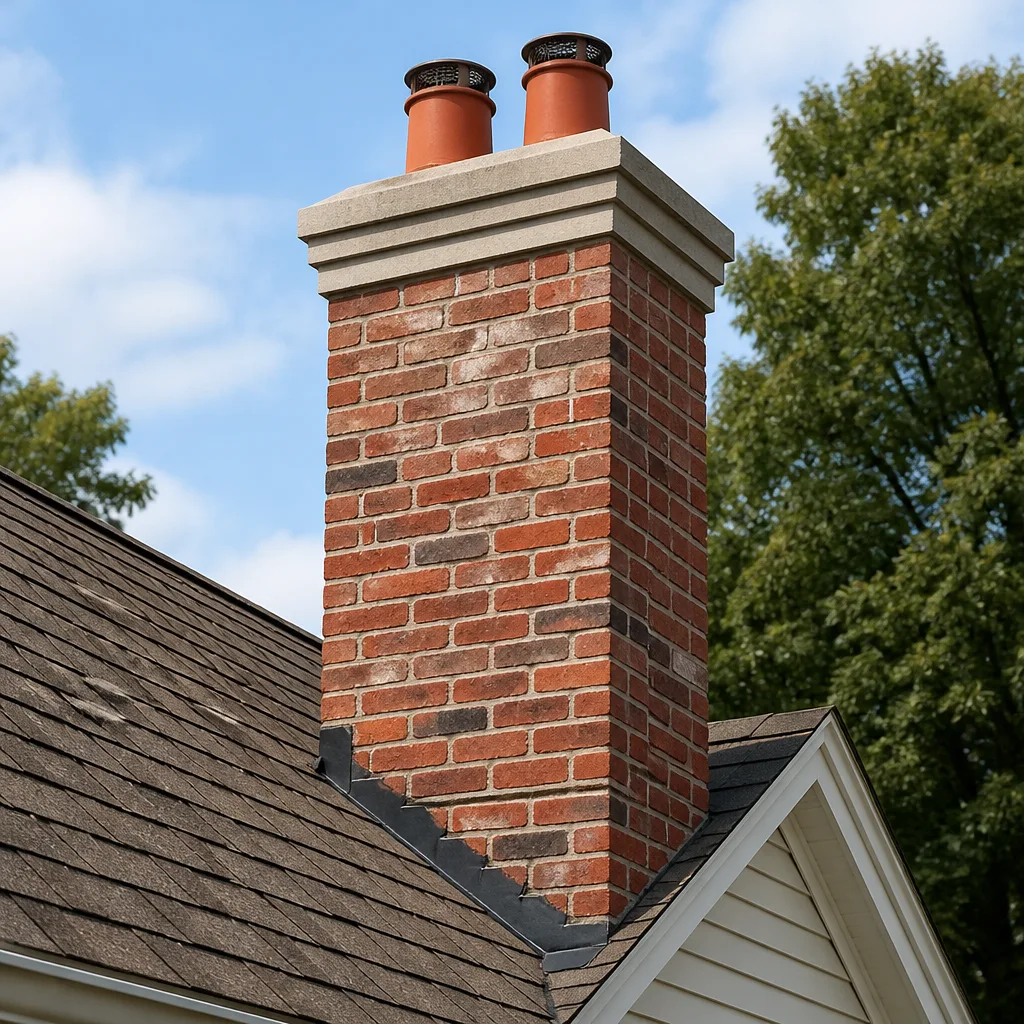 Masonry repair
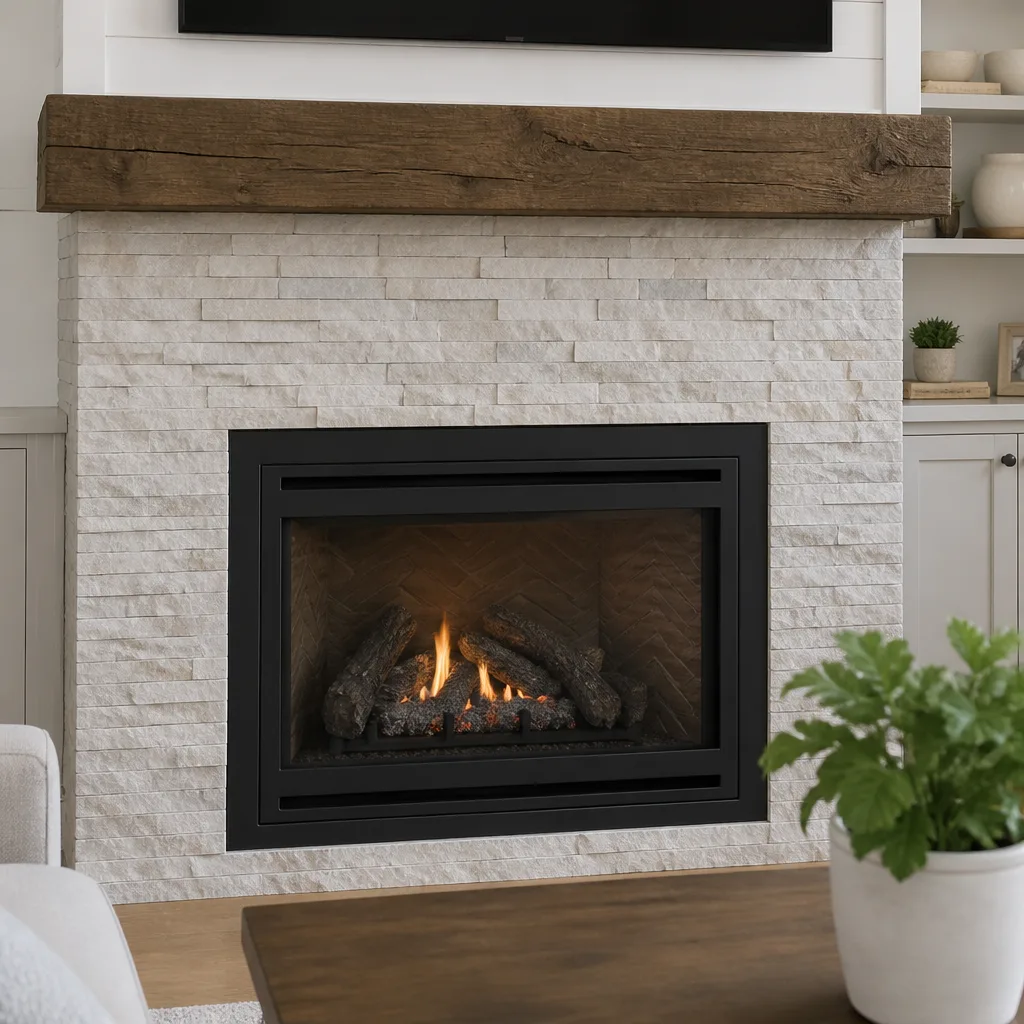 Gas fireplace service
Level 1 sweep and inspection to the NFPA 211 annual standard - flue, crown, cap, and flashing checked and photographed
Chimney sweep logs do not sweep chimneys. They loosen some creosote - which then falls where a brush and vacuum still have to collect it.
Chimney Sweep Troubleshooting in El Paso: Common Problems and How to Fix Them
A smoky fireplace in El Paso is rarely a “dirty chimney” problem. More often it’s a pressure or blockage issue driven by the same Chihuahuan Desert winds that make this one of the windiest cities in the continental U.S. That single fact changes how troubleshooting works here. The symptom you see at the hearth – smoke rolling into the room, a weak draft, a smell on a still night – can come from a blocked cap, a warped damper, a cracked mortar joint, or a liner that’s past its service life. The fix is different for each one. This guide teaches you to read those symptoms, separate the ones you can monitor from the ones that need a trained eye, and know exactly when a chimney sweep in El Paso should be the next call.
Quick Answer
Most chimney problems in El Paso trace back to wind-driven debris, caliche dust clogging caps and dampers, or thermal cracking from the wide swing between cold desert nights and hot days. You can safely monitor draft strength, damper seal, and exterior mortar yourself. Liner condition, creosote depth, and structural cracking require an inspection with a camera. When a symptom points to the liner or the flue, stop and call a professional.
Styles & brands we work with
- Sweep & inspection
- Caps & crowns
- Flue relining
- Masonry repair
- Gas fireplace service
Table of Contents
- Why Does My Fireplace Smoke Only on Windy Days?
- Backdrafting From Wind Pressure vs. Backdrafting From Creosote
- Why El Paso Mortar Cracks Faster Than You’d Expect
- What Caliche Dust and Blowing Debris Do to Caps and Dampers
- How to Test Your Damper Seal at Home
- Symptoms You Can Monitor vs. Symptoms That Need a Sweep
- Repair, Resurfacing, or Full Relining?
- The Vent Problem Homeowners Forget: Dryer Exhaust
Why Does My Fireplace Smoke Only on Windy Days?
Smoke on windy days is the signature chimney complaint in El Paso, and it almost always points to pressure, not soot. A chimney drafts because the hot flue gas inside is lighter than the air outside, and it rises. When wind hits the top of the chimney, it changes the pressure at the termination and can push air back down the flue. If the house is running exhaust fans, a dryer, or a kitchen hood at the same time, it can make the negative pressure worse. The result is a small, stubborn backdraft that shows up only when the wind is up.
Here’s what makes El Paso different from a humid climate: the wind doesn’t arrive with rain. It arrives with dust. A gust across the Northeast or the West Side carries a load of fine particulate, and over a season that material collects on the top of the flue, in the cap screen, and along the smoke shelf. So the pressure problem and the debris problem compound each other. You get smoke when the wind pushes down, and you get poor draft even on calm days because the flow path is partly blocked.
A few cheap checks before you assume the worst:
- Watch the cap. A chase-style or single-flue cap with a mesh screen should let air move freely. If the screen looks fuzzy or matted, that’s dust and debris, not creosote.
- Note the wind direction. If smoke only rolls in when the wind comes from one quarter, it’s a pressure issue at the termination, not a blocked flue.
- Turn off the fans. Crack a window near the fireplace and run no exhaust appliances. A fireplace that draws better with a cracked window is telling you the house is depressurized, not that the chimney is dirty.
- Check the firebox-to-flue transition. A damper left partly open or hung up on grit will kill draft in a hurry.
When the smoke stops being wind-dependent and starts showing up on calm mornings, the cause has shifted to creosote or blockage, and the troubleshooting path changes entirely. That’s the next section.
Backdrafting From Wind Pressure vs. Backdrafting From Creosote
These two look nearly identical at the hearth, and homeowners often treat them as the same problem. They aren’t. Getting the distinction right saves you from paying for a sweep that won’t fix a pressure issue, or from ignoring a creosote problem that a simple draft fix won’t touch. In our experience across El Paso, this is the single most useful diagnostic a homeowner can learn.
Wind-driven backdraft has a few telltale signs:
- Smoke appears mainly on gusty days or when a specific weather pattern sets in.
- The problem is worse when the dryer, bathroom fans, or kitchen hood are running.
- Cracking a nearby window often improves the draft immediately.
- The smell and smoke fade on calm, still evenings.
Creosote-driven backdraft behaves differently:
- Smoke and cold-draft smell are constant, even on still days.
- The fire is hard to light and tends to smolder.
- You can see a glossy, tar-like glaze in the flue or a heavy flaky buildup above the damper.
- Cracking a window barely helps.
Why this matters in El Paso specifically: the desert wind makes the pressure version common here, so many homeowners assume every smoke episode is “just the wind.” A stove or insert that’s burning poorly because of a glazed flue will push carbon monoxide risk up, and no amount of window-cracking fixes it. If your draft problem persists regardless of weather, treat it as a flue-condition problem and have it inspected. Our chimney sweep includes a camera inspection precisely so this distinction gets made with evidence, not guesswork.
Why El Paso Mortar Cracks Faster Than You’d Expect
El Paso swings from a cold winter night in the 30s to a sunny afternoon in the 60s on the same day, week after week. Masonry doesn’t love that. Every wide temperature swing expands and contracts the brick and the mortar at slightly different rates. The mortar is the softer, more brittle material, so it takes the strain first. Over enough seasons, hairline cracks open along joints, water finds its way in during the occasional rain event, and the freeze that occasionally does occur pops the face off the brick. That’s spalling, and it’s the point where a cosmetic mortar problem becomes a structural one.
Humid climates deal with constant moisture but rarely with this kind of rapid thermal cycling. The result is that mortar joints around El Paso chimneys can show their first real cracks faster than homeowners expect. You don’t need to fix every hairline, but you do want to catch them early.
What to look for, in order of severity:
- Hairline joint cracks with the mortar still firm to a fingernail press. Cosmetic. Monitor annually.
- Widened joints where a credit card edge slips in easily, or the mortar crumbles when scraped. Needs repointing.
- Spalling brick faces – the front of the brick flaking off in sheets or chunks. Pointing alone won’t fix it; the brick itself is failing.
- White, powdery staining on the brick after rain. That’s efflorescence, a sign water is getting into the masonry and finding a path out.
- A visible lean, or a crown that’s pulling away from the flue. Structural. Stop using the fireplace and get it assessed.
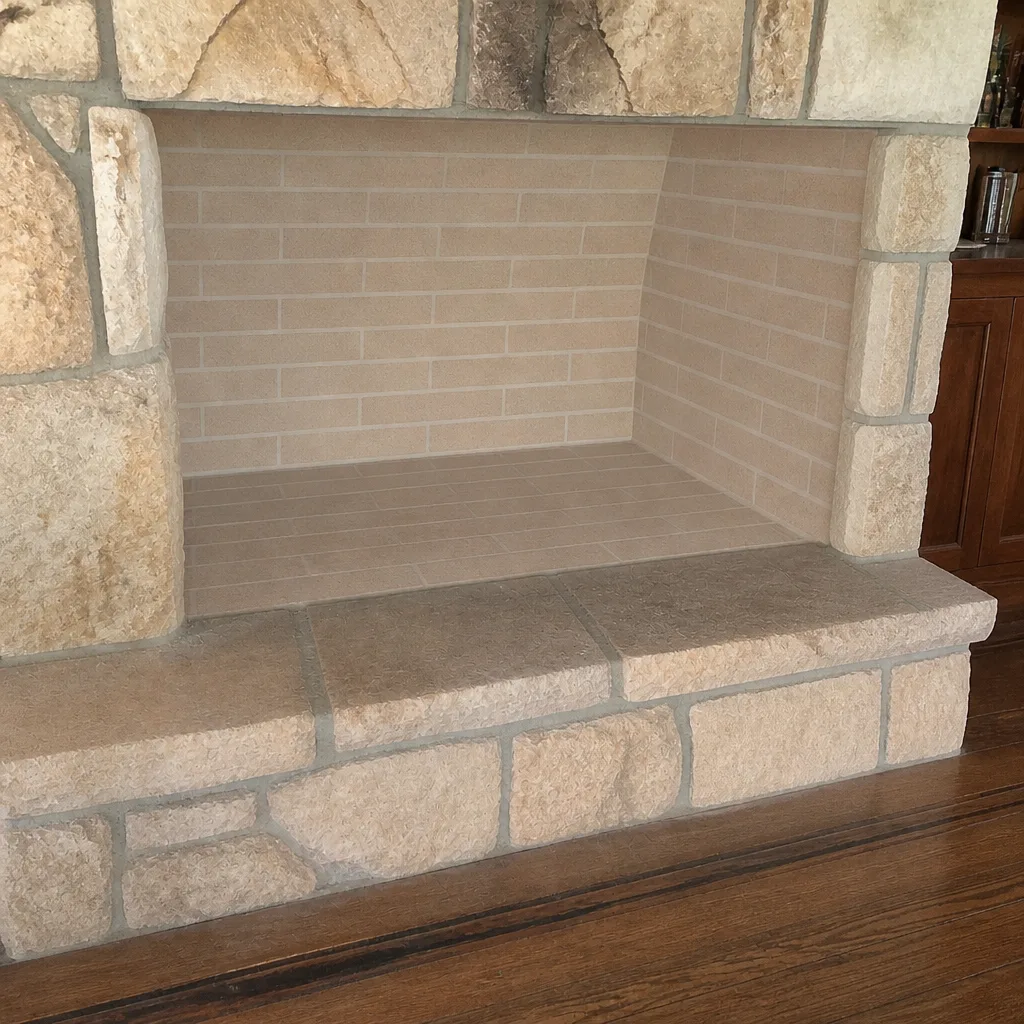
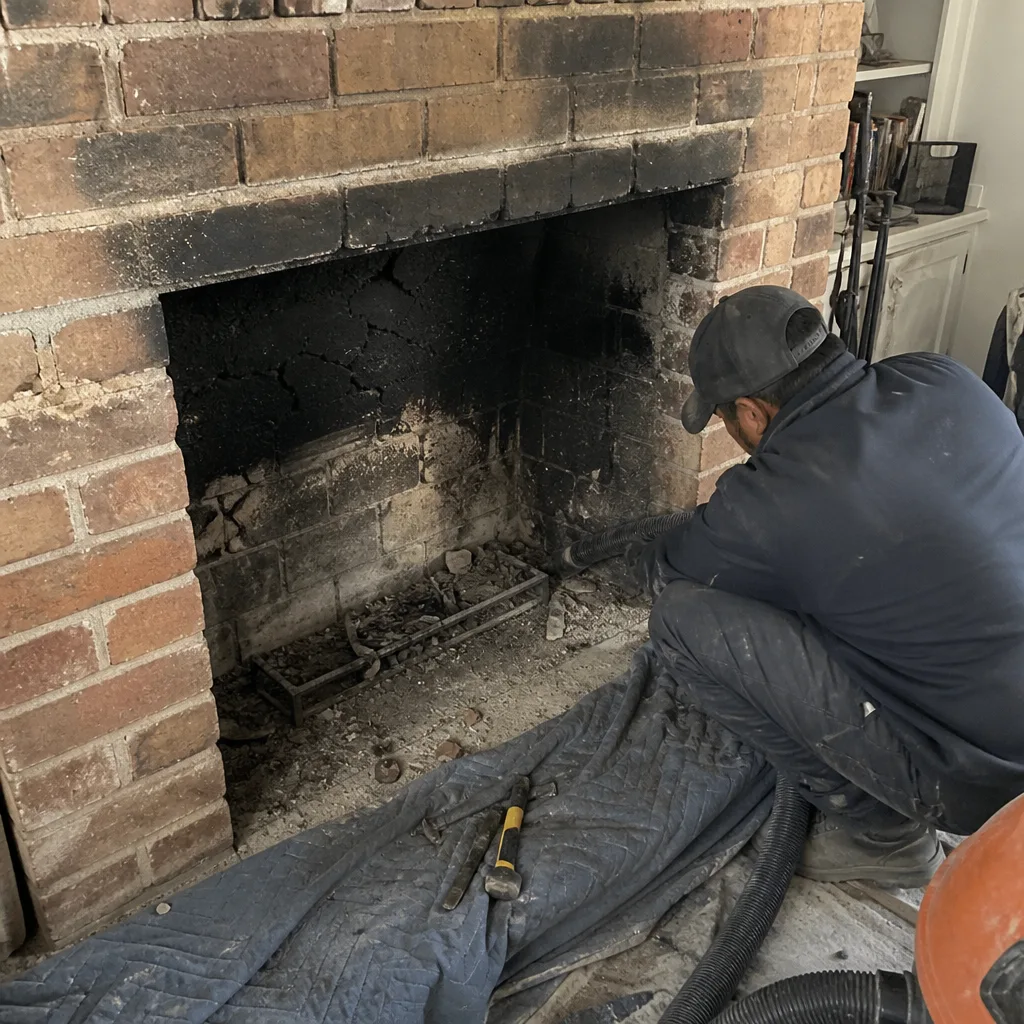
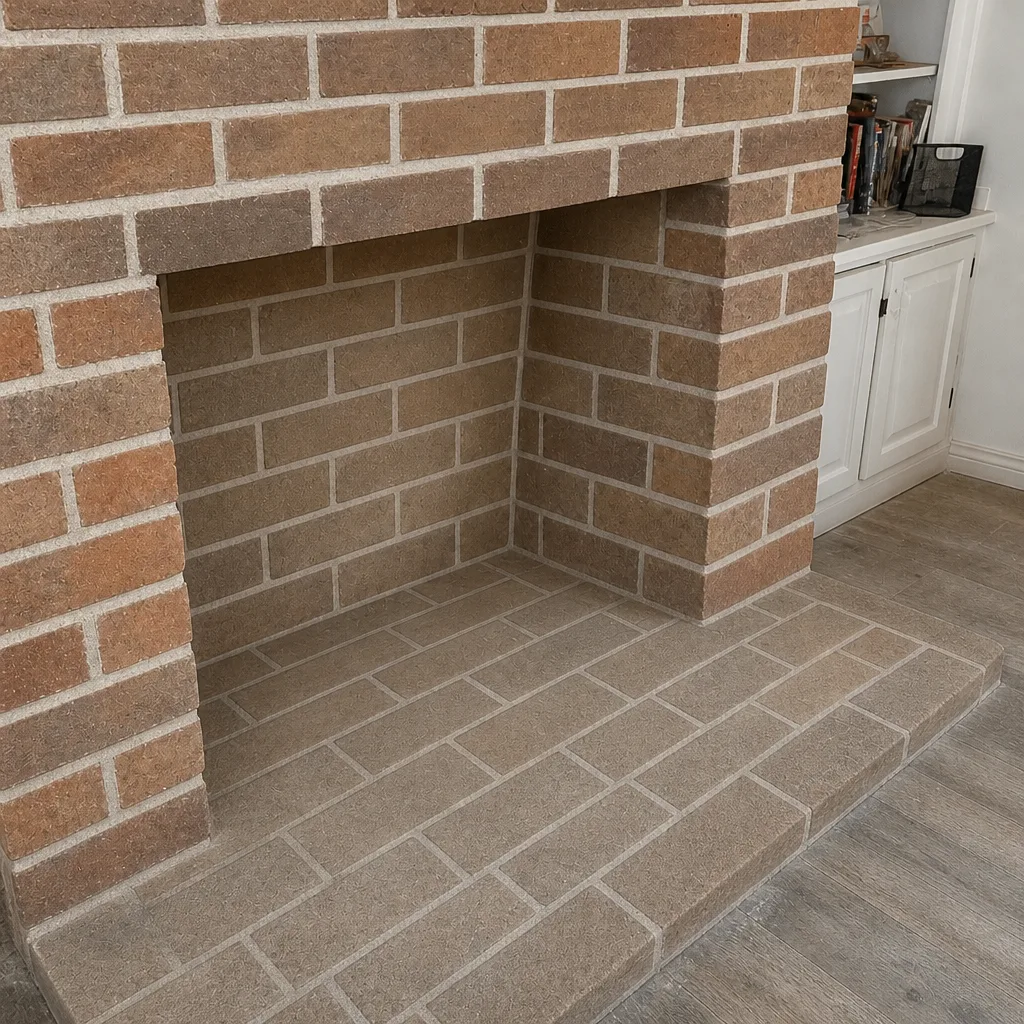
The crown at the top of the chimney is where this shows up first. A proper crown sheds water away from the flue; a cracked one lets it pool and seep down into the masonry and the liner. HeatShield resurfacing is one way to restore a flue interior that’s been compromised by this kind of moisture damage without tearing out the whole chimney, and it’s a process we’re set up to handle when the inspection shows it’s the right call.
What Caliche Dust and Blowing Debris Do to Caps and Dampers
The region’s caliche soil is hard, pale, and full of fine mineral dust when it’s broken up by wind or construction. That dust doesn’t stay on the ground in El Paso. It moves, and it settles in anything with a horizontal surface and an opening. A chimney cap with a mesh screen catches it. A damper with a pivot hinge catches it. Over a season, the buildup is enough to matter.
What actually happens, specifically:
- Cap screens clog. The mesh, designed to spark-arrest and keep animals out, fills with fine dust and dried debris. Airflow at the termination drops, draft weakens, and smoke backs into the room during high-fire moments.
- Dampers stick or fail to seat. Grit works into the damper pivot and the seating edge. The damper gets sticky to operate, then it stops closing flush. That matters in summer – more on that below.
- Caps come loose. A wind-loaded cap on a tall flue can work its fasteners loose over time. A shifted cap can block the flue outlet entirely.
- Bird and rodent nesting. An open flue with no cap is an invitation. Nesting material in a flue is a fire hazard and a serious obstruction, not a minor nuisance.
Most of these are visible from the ground with a pair of binoculars, which is worth doing once a season. If the cap screen looks fuzzy, or the cap is tilted, or you can’t see daylight through the top of the flue, that’s a sign to have it checked before you burn. A Gelco or Copperfield cap replacement is straightforward when it’s needed, and it’s the kind of thing we’d rather do while the chimney is being swept than as a separate trip.
How to Test Your Damper Seal at Home
A leaky damper costs you money in summer, and it’s more than most homeowners realize. El Paso summers push the air conditioning hard. A damper that doesn’t seal lets hot attic air, dust, and insects down the flue and cool conditioned air up it. It also lets the smell of last winter’s soot drift back into the room. You can test the seal yourself in a few minutes, and it’s worth doing before the first cool night of the season.
The damper seal test, step by step:
- Make sure the fireplace is completely cold and no fire has been lit for at least a day.
- Open the damper fully, then use a flashlight to look up at the damper plate edges.
- Close the damper. Shine the light from below. If you see daylight around the perimeter, the seal is failing.
- Feel for the draft with the back of your hand a few inches from the damper opening. With the damper closed and the fireplace door shut, you shouldn’t feel a steady flow of cool air.
- Open and close the damper a few times. It should move smoothly. If it grinds, sticks, or doesn’t travel the full arc, the pivot is either gunked up or the damper is warped.
What it means if you find a leak: a warped or rusted damper is a common repair, and it’s usually caught during a sweep. Some fireplace systems use a top-sealing damper that operates from the hearth, and those have a different failure mode – the gasket at the top of the flue wears out and lets air past. Either way, the fix is to restore the seal, not to tape it shut. And never block a damper with insulation or foam to “save the AC” – the flue needs to be clear.
If you’re seeing seasonal drafts that don’t line up with an obvious damper problem, or if the fireplace shares a flue with a gas appliance, don’t run the test yourself. Call us and let a technician evaluate the whole assembly.
Symptoms You Can Monitor vs. Symptoms That Need a Sweep
Not every symptom requires a call. Knowing which ones you can watch and which ones need evidence from an inspection is what keeps you from overpaying for sweeps you don’t need, and from missing the ones you do. Here’s the split, as we think through it on a typical El Paso service call.
Safe to monitor:
- A faint cold-draft smell on still mornings (normal, especially in spring and fall).
- Hairline mortar cracks you can barely see.
- One or two flakes of soot falling on a very windy day.
- Occasional backdraft on high-wind days that resolves with a cracked window.
Needs a professional assessment:
- A draft problem that persists regardless of weather.
- Smoke in the room whenever the fire is lit.
- Black or brown staining on the face of the chimney, interior or exterior.
- A strong creosote odor that doesn’t clear with ventilation.
- Any visible damage to the firebox, the flue tile, or the smoke chamber.
- A dryer that takes two cycles to dry a load (more on this below).
The core reason the split matters: a homeowner can see a symptom, but only the interior of the flue tells you why. Creosote depth, liner condition, and the state of the smoke shelf are things you can’t verify from the hearth. That’s where camera inspection earns its keep. We run the camera before we make any recommendation, and we’ll show you the footage, so nothing gets recommended that you can’t see with your own eyes.
Repair, Resurfacing, or Full Relining?
When the inspection does turn up a problem, the question becomes scope. There are three basic levels, and the right one depends on what the camera shows. In our experience, homeowners often get pushed toward the most expensive option by companies that only offer that one. Here’s the honest breakdown.
Level 1: Sweep and seal. If the liner is intact, the creosote is normal, and the only issue is a stuck damper or a loose cap, a straightforward sweep plus a small repair handles it. This is the most common outcome when the fireplace sees regular use and has been maintained.
Level 2: Resurfacing. If the flue interior shows spalling, cracking, or a rough surface where creosote can cling, but the liner itself is structurally sound, HeatShield resurfacing can restore a smooth interior and extend the life of the chimney without a full reline. It’s a less invasive option, and we’re set up to run it when the inspection says the flue can support it.
Level 3: Full relining. If the flue tile has voids, gaps between sections, or a complete failure, a full liner is the safe answer. DuraFlex and Famco liner systems are the professional-grade materials we install, and they cover the range of applications from a standard fireplace to a vented gas appliance. This is the right call when the existing liner can’t be repaired safely, and it’s the one that gets recommended only when the camera evidence supports it.
The reason the level matters so much: a compromised liner is a carbon monoxide risk. We don’t want to scare you into a reline you don’t need, and we don’t want to tell you a flue is fine when it isn’t. The middle option – resurfacing – is the one that gets skipped by companies that only do full replacements. If the flue can take it, we’ll tell you. If it can’t, we’ll show you why.
The Vent Problem Homeowners Forget: Dryer Exhaust
Clogged dryer vents are a leading cause of residential house fires, and they get overlooked because they’re outside the chimney. In an El Paso home, the same dust that clogs a chimney cap clogs a dryer vent. Lint, dust, and the fine particulate in the air work their way into the corrugated duct behind the dryer, and the flow drops. The dryer gets hot, runs longer, and the risk builds. If your dryer takes two cycles to dry a normal load, or the exterior vent flap barely moves while it’s running, that’s a vent that needs cleaning, not a dryer that’s going out.
A few signs worth acting on:
- The laundry room gets noticeably hotter and more humid during a cycle.
- The dryer shuts off before the load is dry and feels hot to the touch.
- You see lint accumulating around the vent termination outside.
- The exterior flap stays shut or barely opens while the dryer runs.
Our dryer vent cleaning is a standalone service, not an add-on we squeeze onto a chimney call. It’s a meaningful part of what we do because it addresses one of the most common household fire risks that chimney-only companies never look at. If it’s been a while since your vent was cleaned, it’s worth pairing with a chimney sweep on the same visit.
Common Mistakes to Avoid
- Burning cardboard or trash to “test the draft.” That’s how a flue gets glazed creosote fast. Burn seasoned wood only, and don’t use the fireplace as a test bed.
- Assuming every smoky day is wind. The pressure-vs-creosote distinction is the whole point of troubleshooting. A draft that persists on calm days is a flue issue, not a wind issue.
- Sealing a damper shut with insulation to save on AC. It cuts off the flue path and traps moisture in the chimney. Fix the damper, don’t block it.
- Ignoring faint white staining on exterior brick. Efflorescence after rain means water is already getting in. Catch it before it becomes a repointing job.
- Using a generic handyman for a flue problem. Sweeping and repair are specialist work. The materials matter – a proper cap, a proper liner, a proper resurfacing product – and a generalist won’t have them.
- Skipping the dryer vent because the chimney gets attention. Lint buildup is a leading fire cause, and it’s the easiest thing on this list to fix before it becomes a problem.
- Believing a phone quote for a reline. A reline recommendation without camera footage is a guess. Ask to see the evidence before you commit.
See the difference
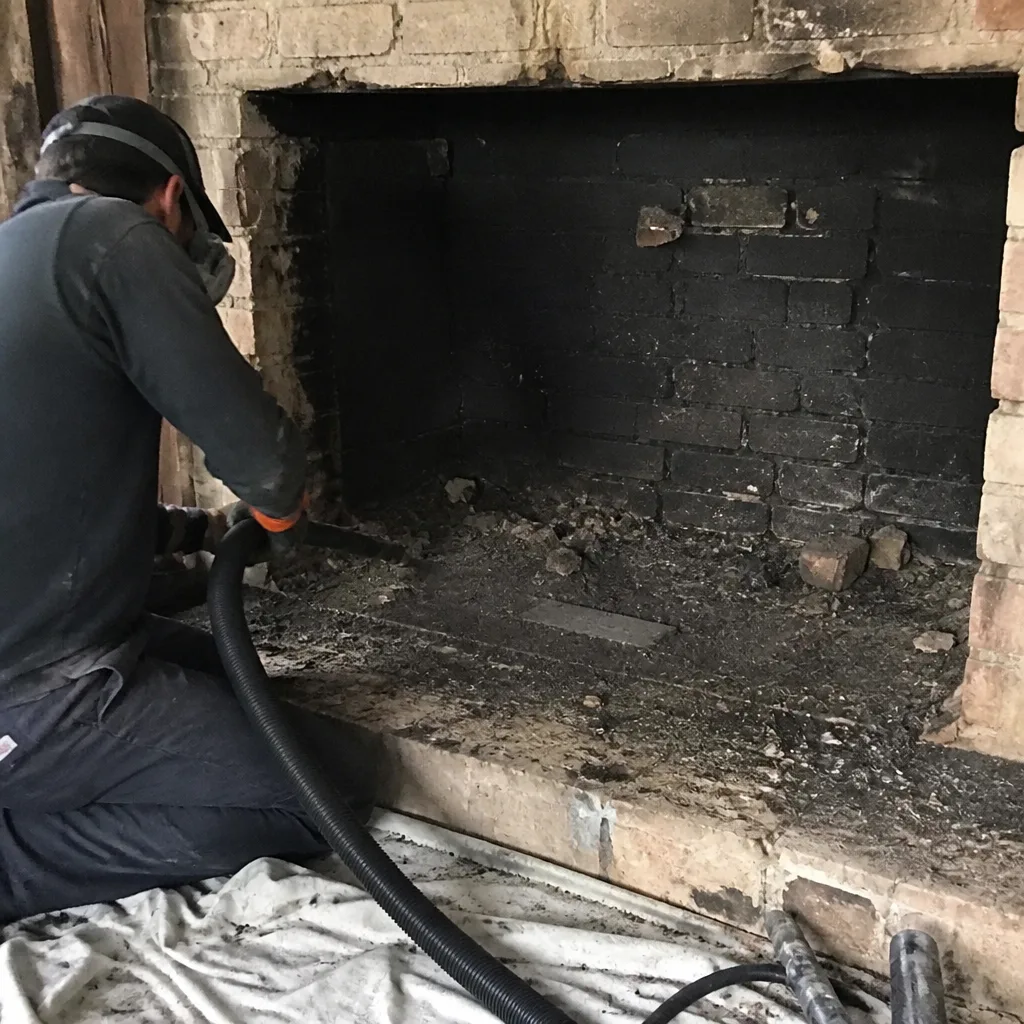 Before
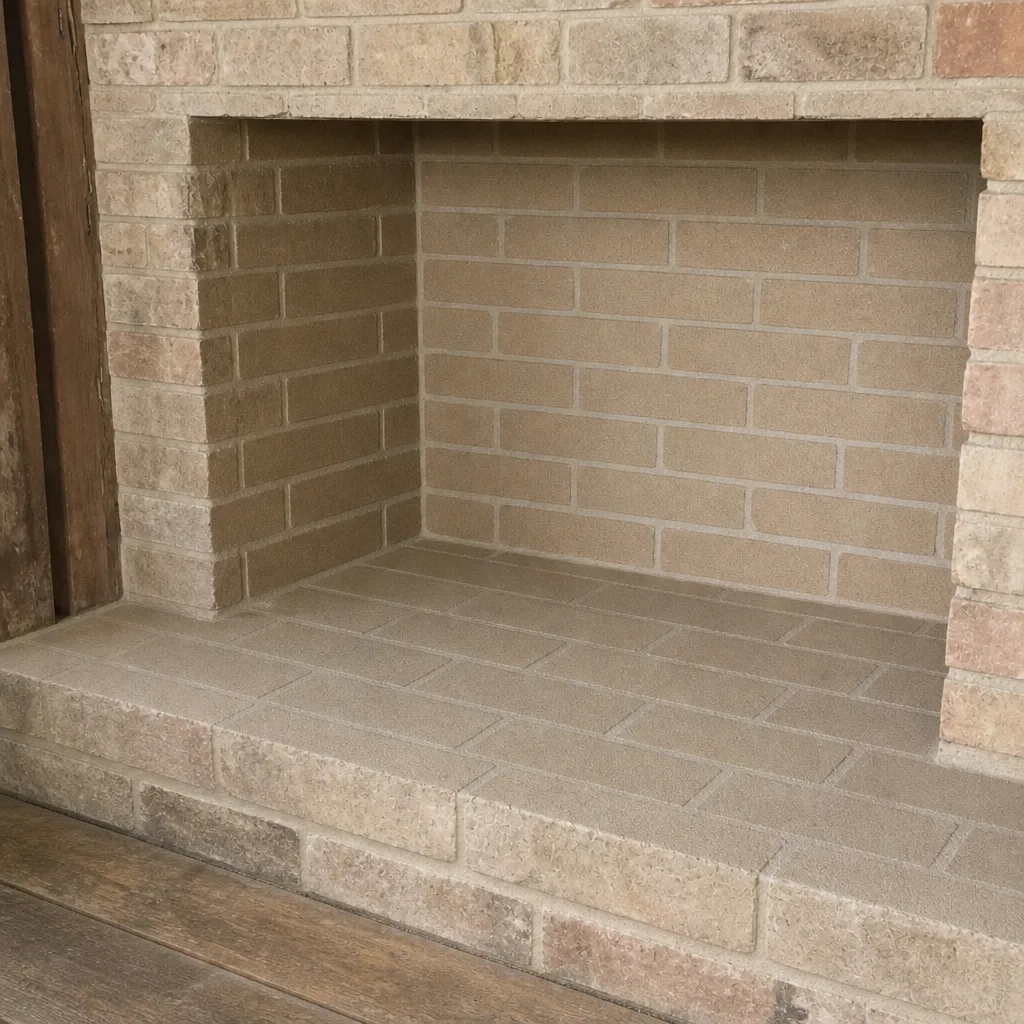 After
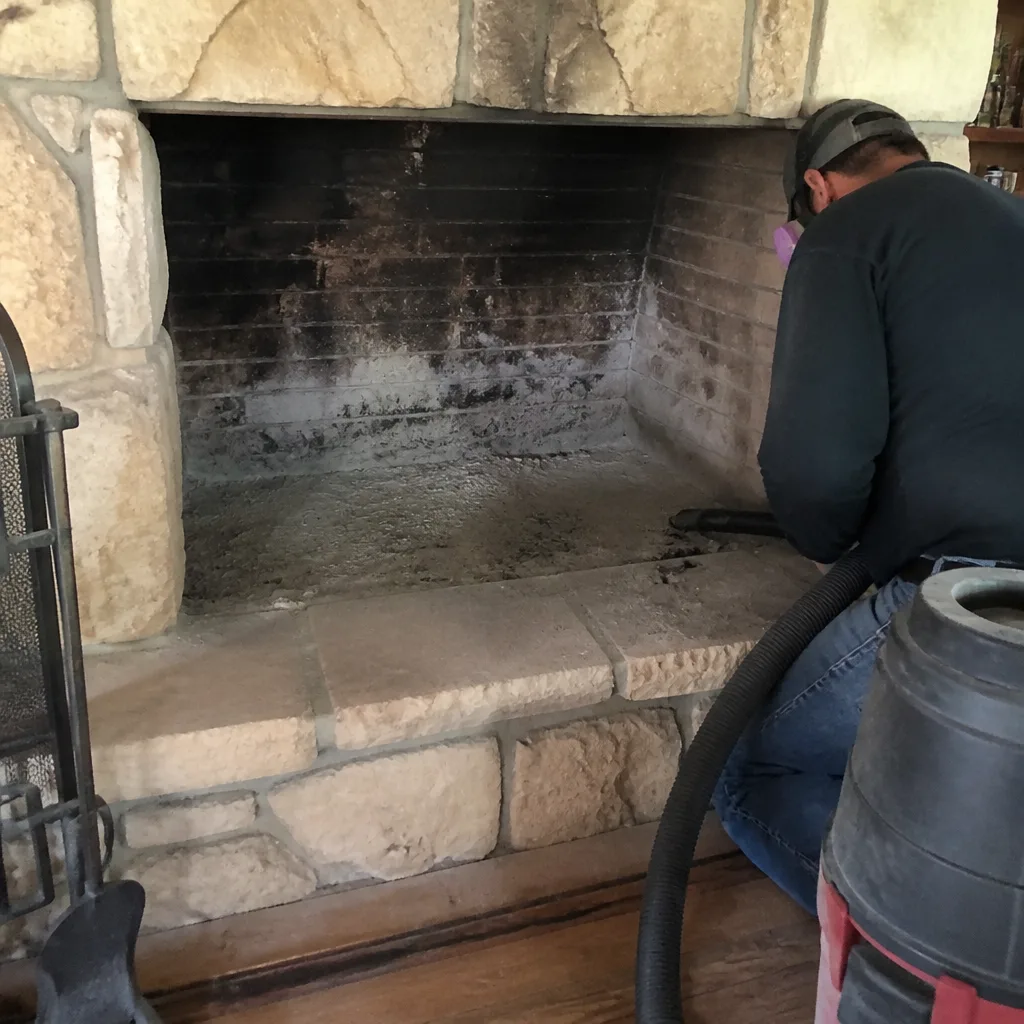 Before
 After
 Before
 After
When to Call a Professional
Call a professional when a symptom points past the surface. A persistent draft that doesn’t follow the weather, smoke in the room on calm days, staining on the chimney face, a creosote smell that stays, a dryer vent that hasn’t been cleaned in years, or any visible damage to the firebox or flue tile – those are the triggers. El Paso Chimney Sweep offers free estimates in El Paso. Call (888) 849-7238. We work with DuraFlex, HeatShield, Gelco, Olympia Chimney, Famco, and Copperfield materials, so we can sweep, diagnose, and repair without handing you off to a second contractor. Our technicians have up to 15 years of experience, and every recommendation comes with camera evidence you can see. If the work can safely wait, we’ll tell you that too.
Frequently Asked Questions
Most El Paso chimney sweeps run in the typical range you’d expect for a standard single-flue fireplace, with repair and resurfacing work quoted separately based on what the inspection finds. The written estimate sets the final price, and the estimate is free. Call (888) 849-7238 for an exact quote – estimates are free.
Not always. A new liner is only the right answer when the camera inspection shows the existing flue tile is compromised, gapped, or too deteriorated to resurface. If the flue is intact but rough, HeatShield resurfacing can restore it without a full reline. The camera footage tells you which category you’re in, and you can see it before deciding. Call (888) 849-7238 to schedule an inspection – estimates are free.
The rule of thumb for a wood-burning fireplace is once a year, and more often if you burn frequently or see a heavy glaze in the flue. El Paso’s wind and dust add to the case for an annual check, since cap screens and dampers collect debris faster here than in calmer climates. Call (888) 849-7238 to book a sweep – estimates are free.
Creosote builds up in layers, and a thick glazed deposit is what feeds a chimney fire. The liner also goes unchecked, which is where carbon monoxide risk comes from. The risk isn’t immediate on day one; it’s cumulative, and it’s the reason an annual inspection is worth the cost. Call (888) 849-7238 for a free estimate.
That pattern usually means wind pressure at the chimney top is pushing air back down the flue, often made worse by exhaust fans or a dryer running. It’s a pressure issue, not a dirty chimney, and it’s common here because of the desert winds. If the smoking shows up on calm days too, get the flue inspected – call (888) 849-7238, estimates are free.
It’s a dedicated service we perform ourselves, not a referral. Clogged dryer vents are a leading household fire cause, and we handle them alongside chimney work. Call (888) 849-7238 to schedule – estimates are free.
The Bottom Line
Chimney troubleshooting in El Paso comes down to reading the symptoms correctly. Wind-driven backdraft and creosote backdraft look alike but need opposite fixes. Temperature swings crack mortar faster here than in humid climates, and caliche dust clogs caps and dambers in a way that weakens draft quietly. The damper seal test is something you can run yourself in minutes. Liner condition, creosote depth, and structural cracking are not, and those are the ones worth a professional inspection. El Paso Chimney Sweep handles sweeping, repair, resurfacing, and dryer vent cleaning with the professional-grade materials to back it up. Call (888) 849-7238. We answer 24/7. Fast dispatch from 7am to 7pm, Sunday through Friday. Estimates are free.
Written by the team at El Paso Chimney Sweep.